

GIVE THE PERFECT GIFT
Erin Mills Town Centre Gift Cards are the perfect choice for your gift giving needs.Purchase gift cards at kiosks near the food court or centre court, at Guest Services, or click below to purchase online.PURCHASE HEREHome
the Men with Broken Faces: «Gueules Cassées» of First World War
Indigo
Loading Inventory...
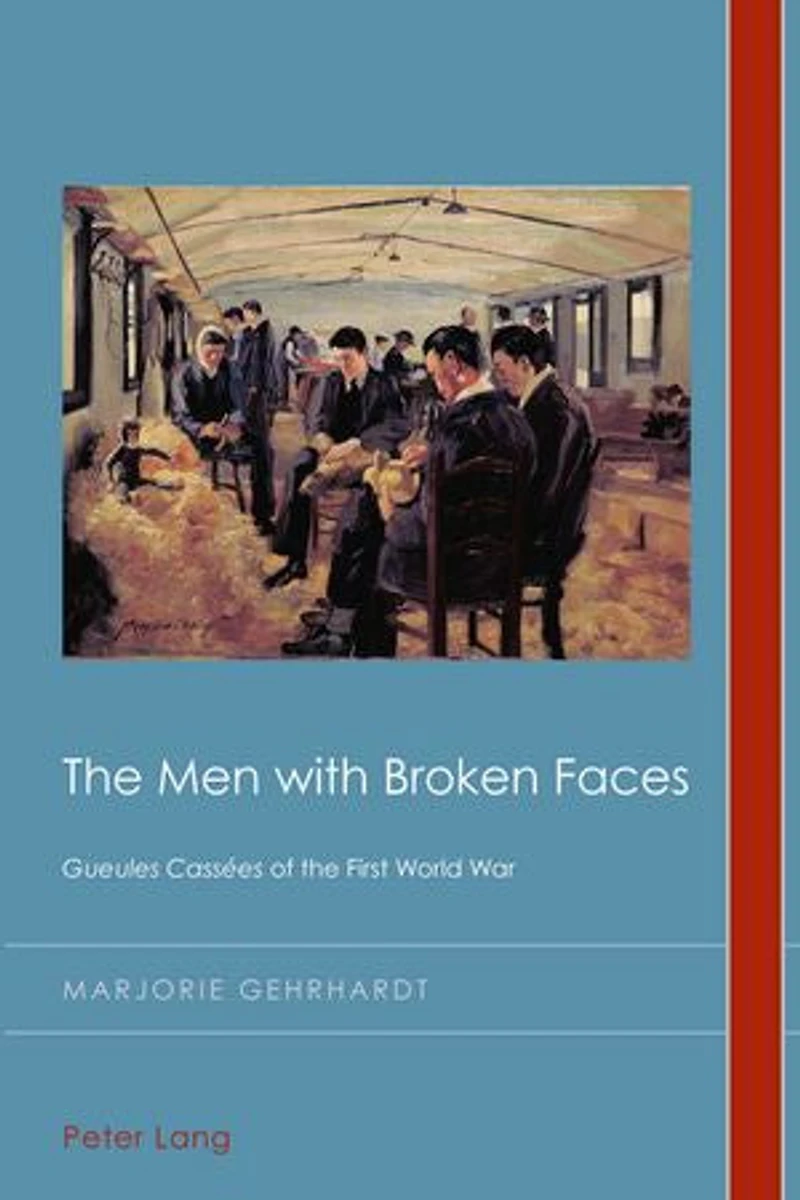
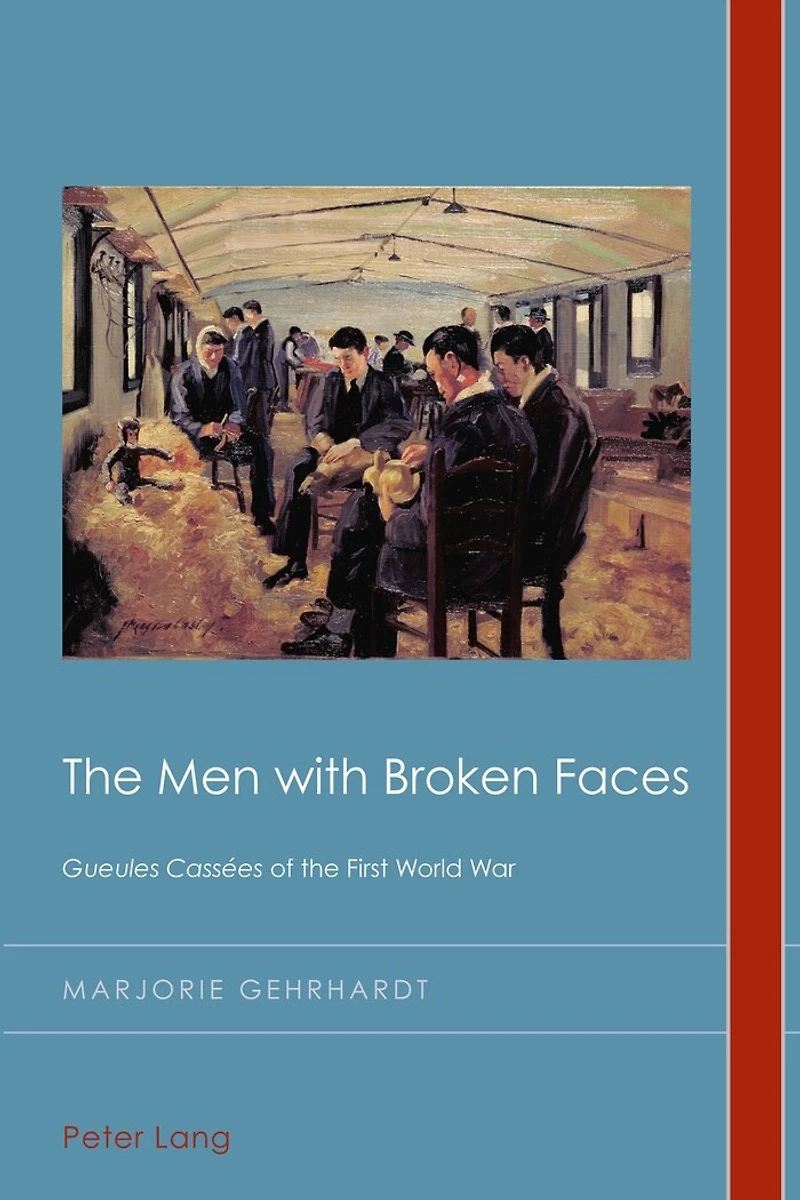
the Men with Broken Faces: «Gueules Cassées» of First World War
Current price: $88.99
Original price: $111.22

the Men with Broken Faces: «Gueules Cassées» of First World War
Current price: $88.99
Original price: $111.22
Loading Inventory...
Size: Kobo eBook
*Product information may vary - to confirm product availability, pricing, shipping and return information please contact Indigo
Facially wounded servicemen were perhaps the ultimate victims of the First World War. They became walking reminders of the conflict and their experiences reveal the impact of the war not only on the combatants but also on European societies at large. This book explores for the first time the individual and collective significance of facially disfigured First World War combatants in France, Germany and Great Britain. The analysis undertaken in this book uncovers how the wounded perceived and presented themselves and how they were perceived and represented by others. Artistic and literary representations are considered, along with initiatives carried out by hospitals, the government and the combatants’ fellow countrymen. With an interdisciplinary and comparative approach, this study illuminates our understanding of how the combatant and the onlooker made sense of the experience and the memory of the war.
Facially wounded servicemen were perhaps the ultimate victims of the First World War. They became walking reminders of the conflict and their experiences reveal the impact of the war not only on the combatants but also on European societies at large. This book explores for the first time the individual and collective significance of facially disfigured First World War combatants in France, Germany and Great Britain. The analysis undertaken in this book uncovers how the wounded perceived and presented themselves and how they were perceived and represented by others. Artistic and literary representations are considered, along with initiatives carried out by hospitals, the government and the combatants’ fellow countrymen. With an interdisciplinary and comparative approach, this study illuminates our understanding of how the combatant and the onlooker made sense of the experience and the memory of the war.
You May Also Like









More About Indigo at Erin Mills Town Centre
The largest book retailer in Canada also offers toys, music, home décor, gifts and lifestyle products. What's Inside...Books, Magazines, CD’s and DVD’s, Toys and Gifts, Home Accents, Electronics, Baby’s and Children’s Section, Bath and Body, Kitchen and Bedroom, Stationary Located outside in the exterior plaza.
5015 Glen Erin Dr, Mississauga, ON L5M 0R7, Canada
Find Indigo at Erin Mills Town Centre in Mississauga ON
Visit Indigo at Erin Mills Town Centre in Mississauga ON