

GIVE THE PERFECT GIFT
Erin Mills Town Centre Gift Cards are the perfect choice for your gift giving needs.Purchase gift cards at kiosks near the food court or centre court, at Guest Services, or click below to purchase online.PURCHASE HEREHome
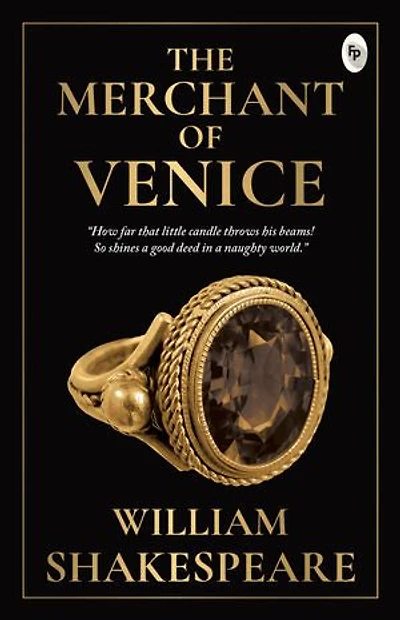
The Merchant of Venice (Annotated by Henry N. Hudson with an Introduction Charles Harold Herford)
Indigo
Loading Inventory...
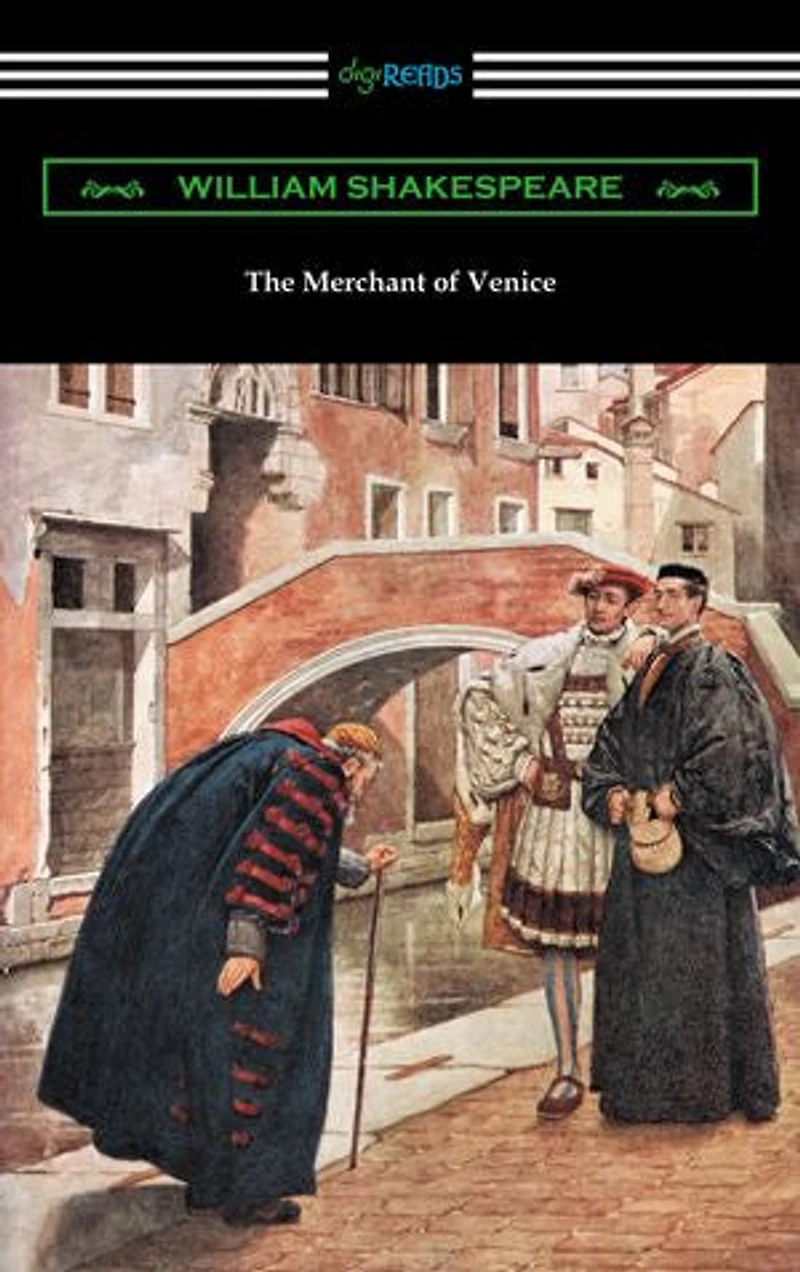
The Merchant of Venice (Annotated by Henry N. Hudson with an Introduction Charles Harold Herford)
Current price: $8.99
Original price: $9.99

The Merchant of Venice (Annotated by Henry N. Hudson with an Introduction Charles Harold Herford)
Current price: $8.99
Original price: $9.99
Loading Inventory...
Size: Kobo eBook
*Product information may vary - to confirm product availability, pricing, shipping and return information please contact Indigo
Believed to have been written between 1596 and 1598, William Shakespeare's "The Merchant of Venice" is considered by some critics as one of his "problem plays." The controversy over the work stems from its portrayal of the character Shylock, a rich Jewish moneylender. The stereotypical depiction of Jews as avaricious usurers was common to the drama of the Elizabethan period. The story centers on the love of Bassanio, a young Venetian nobleman, who wishes to woo the beautiful and wealthy heiress Portia of Belmont. Having squandered his estate, Bassanio turns to Antonio, the titular Merchant of Venice, for a loan. However, since Antonio has his money invested in merchandise at sea, Bassanio must turn to Shylock for the loan. Shylock, after much reluctance, agrees to make the loan on the condition that if it cannot be repaid he may extract a pound of flesh from Antonio. This controversial characterization of the vengeful Jewish moneylender has been criticized by some as blatantly anti-Semitic, while others have read the play as a plea for tolerance, citing Shylock a sympathetic character. With elements of both comedy and tragedy "The Merchant of Venice" is a work that to this day has continued to defy classification. This edition is printed on premium acid-free paper, is annotated by Henry N. Hudson, and includes an introduction by Charles Harold Herford.
Believed to have been written between 1596 and 1598, William Shakespeare's "The Merchant of Venice" is considered by some critics as one of his "problem plays." The controversy over the work stems from its portrayal of the character Shylock, a rich Jewish moneylender. The stereotypical depiction of Jews as avaricious usurers was common to the drama of the Elizabethan period. The story centers on the love of Bassanio, a young Venetian nobleman, who wishes to woo the beautiful and wealthy heiress Portia of Belmont. Having squandered his estate, Bassanio turns to Antonio, the titular Merchant of Venice, for a loan. However, since Antonio has his money invested in merchandise at sea, Bassanio must turn to Shylock for the loan. Shylock, after much reluctance, agrees to make the loan on the condition that if it cannot be repaid he may extract a pound of flesh from Antonio. This controversial characterization of the vengeful Jewish moneylender has been criticized by some as blatantly anti-Semitic, while others have read the play as a plea for tolerance, citing Shylock a sympathetic character. With elements of both comedy and tragedy "The Merchant of Venice" is a work that to this day has continued to defy classification. This edition is printed on premium acid-free paper, is annotated by Henry N. Hudson, and includes an introduction by Charles Harold Herford.
You May Also Like







More About Indigo at Erin Mills Town Centre
The largest book retailer in Canada also offers toys, music, home décor, gifts and lifestyle products. What's Inside...Books, Magazines, CD’s and DVD’s, Toys and Gifts, Home Accents, Electronics, Baby’s and Children’s Section, Bath and Body, Kitchen and Bedroom, Stationary Located outside in the exterior plaza.
5015 Glen Erin Dr, Mississauga, ON L5M 0R7, Canada
Find Indigo at Erin Mills Town Centre in Mississauga ON
Visit Indigo at Erin Mills Town Centre in Mississauga ON