

GIVE THE PERFECT GIFT
Erin Mills Town Centre Gift Cards are the perfect choice for your gift giving needs.Purchase gift cards at kiosks near the food court or centre court, at Guest Services, or click below to purchase online.PURCHASE HEREHome
The Middle East and North Africa
Indigo
Loading Inventory...
The Middle East and North Africa
Current price: $195.99

The Middle East and North Africa
Current price: $195.99
Loading Inventory...
Size: Hardcover
*Product information may vary - to confirm product availability, pricing, shipping and return information please contact Indigo
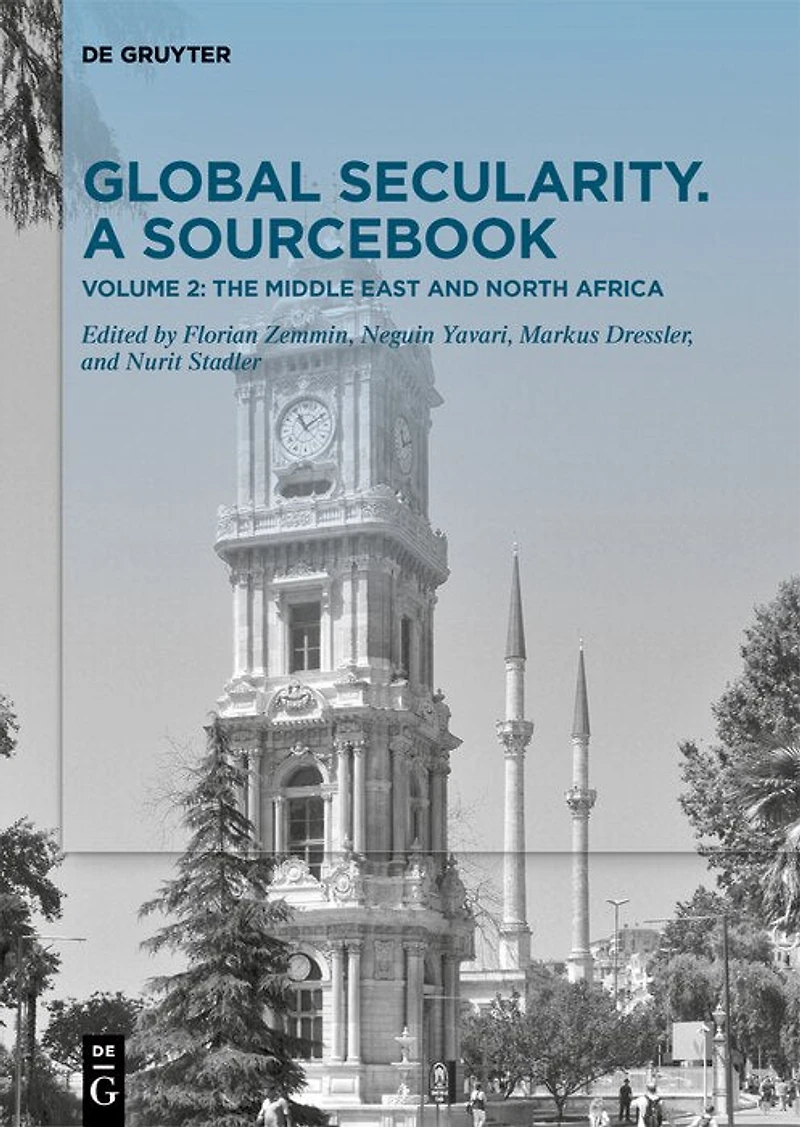
This volume collects reflections on secularity from the Middle East and North Africa. To highlight proximate connections as well as resonances with debates elsewhere, it includes premodern contributions from the region as well as Jewish thought from Europe that have provided significant references for modern appropriations of secularity. The texts, for the most part previously untranslated, reflect commonalities within the region as well as its great diversity. Thus, while Islam is a common reference for most of our authors, the selections point to its varied invocations in the interest of differing political ends. Others write from a Christian or Jewish perspective, or subscribe to non-religious intellectual traditions. They range from premodern Muslim jurisprudents and philosophers to Ottoman statesmen, Arab socialist and nationalist intellectuals of the interwar period, Iranian revolutionaries, Israeli novelists, and finally, post-secular intellectuals, lay and religious, predominantly from the former Islamic heartland: modern Arab states and Iran. Several introductions weave together the swathe of topics raised in the discussions, beginning with a schematic presentation of the concerns that undergird the volume’s organization.
This volume collects reflections on secularity from the Middle East and North Africa. To highlight proximate connections as well as resonances with debates elsewhere, it includes premodern contributions from the region as well as Jewish thought from Europe that have provided significant references for modern appropriations of secularity. The texts, for the most part previously untranslated, reflect commonalities within the region as well as its great diversity. Thus, while Islam is a common reference for most of our authors, the selections point to its varied invocations in the interest of differing political ends. Others write from a Christian or Jewish perspective, or subscribe to non-religious intellectual traditions. They range from premodern Muslim jurisprudents and philosophers to Ottoman statesmen, Arab socialist and nationalist intellectuals of the interwar period, Iranian revolutionaries, Israeli novelists, and finally, post-secular intellectuals, lay and religious, predominantly from the former Islamic heartland: modern Arab states and Iran. Several introductions weave together the swathe of topics raised in the discussions, beginning with a schematic presentation of the concerns that undergird the volume’s organization.
You May Also Like







More About Indigo at Erin Mills Town Centre
The largest book retailer in Canada also offers toys, music, home décor, gifts and lifestyle products. What's Inside...Books, Magazines, CD’s and DVD’s, Toys and Gifts, Home Accents, Electronics, Baby’s and Children’s Section, Bath and Body, Kitchen and Bedroom, Stationary Located outside in the exterior plaza.
5015 Glen Erin Dr, Mississauga, ON L5M 0R7, Canada
Find Indigo at Erin Mills Town Centre in Mississauga ON
Visit Indigo at Erin Mills Town Centre in Mississauga ON