

GIVE THE PERFECT GIFT
Erin Mills Town Centre Gift Cards are the perfect choice for your gift giving needs.Purchase gift cards at kiosks near the food court or centre court, at Guest Services, or click below to purchase online.PURCHASE HEREHome
The Molecular Basis of Glucose 6-Phosphate Dehydrogenase Deficiency
Indigo
Loading Inventory...
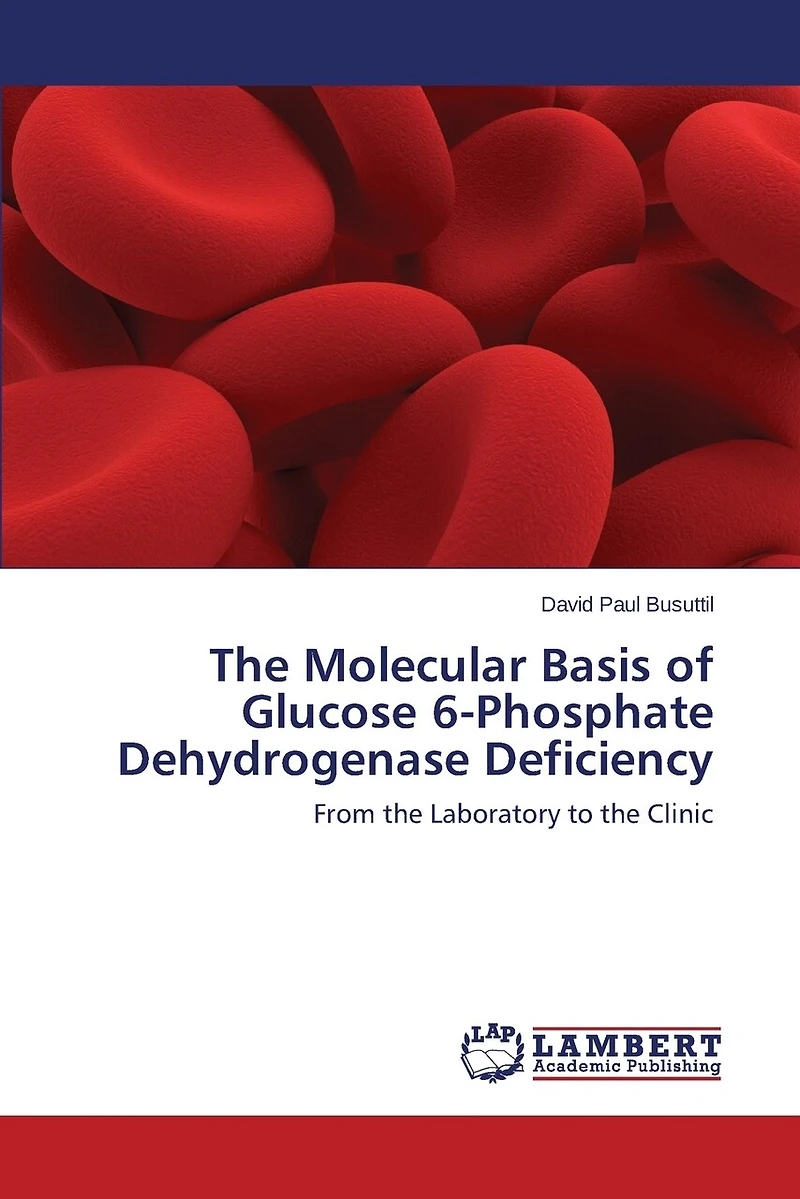
The Molecular Basis of Glucose 6-Phosphate Dehydrogenase Deficiency
Current price: $33.95

The Molecular Basis of Glucose 6-Phosphate Dehydrogenase Deficiency
Current price: $33.95
Loading Inventory...
Size: Paperback
*Product information may vary - to confirm product availability, pricing, shipping and return information please contact Indigo
Glucose 6-Phosphate Dehydrogenase Deficiency is the most common enzymopathy and is of public health significance. The Glucose 6-Phosphate Dehydrogenase gene was sequenced and a new variant attributed to a point mutation was identified in an area of the gene conserved between various species. This was designated G6PD Telti. The molecular basis of Glucose 6-Phosphate Deficiency was elucidated through this novel variant. The clinical characteristics and laboratory features of Glucose 6-Phosphate Dehydrogenase Deficiency were also related to the molecular findings. The molecular techniques and the comprehensive approach to this subject should be of interest to medical students, haematologists, laboratory scientists and molecular biologists.
Glucose 6-Phosphate Dehydrogenase Deficiency is the most common enzymopathy and is of public health significance. The Glucose 6-Phosphate Dehydrogenase gene was sequenced and a new variant attributed to a point mutation was identified in an area of the gene conserved between various species. This was designated G6PD Telti. The molecular basis of Glucose 6-Phosphate Deficiency was elucidated through this novel variant. The clinical characteristics and laboratory features of Glucose 6-Phosphate Dehydrogenase Deficiency were also related to the molecular findings. The molecular techniques and the comprehensive approach to this subject should be of interest to medical students, haematologists, laboratory scientists and molecular biologists.
You May Also Like














More About Indigo at Erin Mills Town Centre
The largest book retailer in Canada also offers toys, music, home décor, gifts and lifestyle products. What's Inside...Books, Magazines, CD’s and DVD’s, Toys and Gifts, Home Accents, Electronics, Baby’s and Children’s Section, Bath and Body, Kitchen and Bedroom, Stationary Located outside in the exterior plaza.
5015 Glen Erin Dr, Mississauga, ON L5M 0R7, Canada
Find Indigo at Erin Mills Town Centre in Mississauga ON
Visit Indigo at Erin Mills Town Centre in Mississauga ON