

GIVE THE PERFECT GIFT
Erin Mills Town Centre Gift Cards are the perfect choice for your gift giving needs.Purchase gift cards at kiosks near the food court or centre court, at Guest Services, or click below to purchase online.PURCHASE HEREHome
the Molecular Vision of Life: Caltech, Rockefeller Foundation, and Rise New Biology
Indigo
Loading Inventory...
the Molecular Vision of Life: Caltech, Rockefeller Foundation, and Rise New Biology
Current price: $155.19
Original price: $193.99

the Molecular Vision of Life: Caltech, Rockefeller Foundation, and Rise New Biology
Current price: $155.19
Original price: $193.99
Loading Inventory...
Size: Kobo eBook
*Product information may vary - to confirm product availability, pricing, shipping and return information please contact Indigo
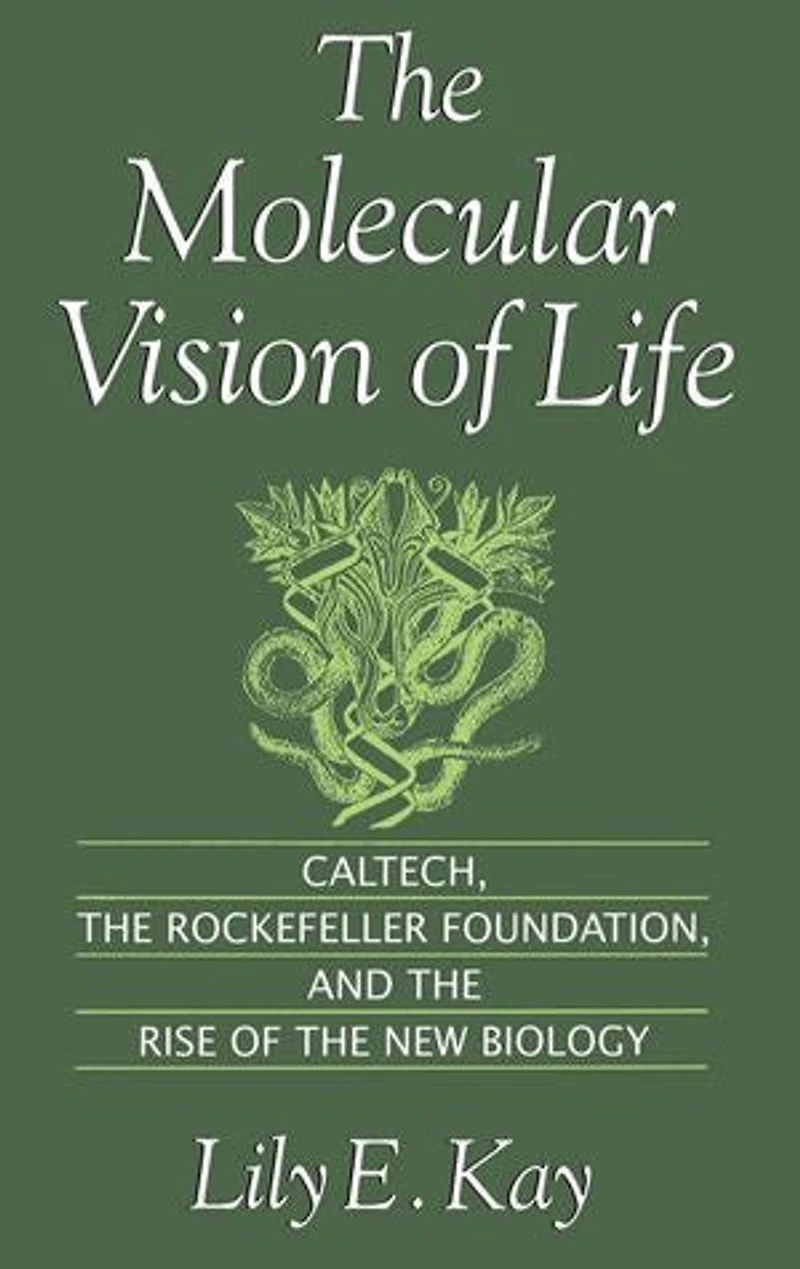
This fascinating study examines the rise of American molecular biology to disciplinary dominance, focusing on the period between 1930 and the elucidation of DNA structure in the mid 1950s. Research undertaken during this period, with its focus on genetic structure and function, endowed scientists with then unprecedented power over life. By viewing the new biology as both a scientific and cultural enterprise, Lily E. Kay shows that the growth of molecular biology was a result of systematic efforts by key scientists and their sponsors to direct the development of biological research toward a shared vision of science and society. She analyzes the motivations and mechanisms empowering this vision by focusing on two key institutions: Caltech and its sponsor, the Rockefeller Foundation. Her study explores a number of vital, sometimes controversial topics, among them the role of private power centers in shaping scientific agenda, and the political dimensions of "pure" research. It also advances a sobering argument: the cognitive and social groundwork for genetic engineering and human genome projects was laid by the American architects of molecular biology during these early decades of the project. This book will be of interest to molecular biologists, historians, sociologists, and the general reader alike.
This fascinating study examines the rise of American molecular biology to disciplinary dominance, focusing on the period between 1930 and the elucidation of DNA structure in the mid 1950s. Research undertaken during this period, with its focus on genetic structure and function, endowed scientists with then unprecedented power over life. By viewing the new biology as both a scientific and cultural enterprise, Lily E. Kay shows that the growth of molecular biology was a result of systematic efforts by key scientists and their sponsors to direct the development of biological research toward a shared vision of science and society. She analyzes the motivations and mechanisms empowering this vision by focusing on two key institutions: Caltech and its sponsor, the Rockefeller Foundation. Her study explores a number of vital, sometimes controversial topics, among them the role of private power centers in shaping scientific agenda, and the political dimensions of "pure" research. It also advances a sobering argument: the cognitive and social groundwork for genetic engineering and human genome projects was laid by the American architects of molecular biology during these early decades of the project. This book will be of interest to molecular biologists, historians, sociologists, and the general reader alike.
You May Also Like

















More About Indigo at Erin Mills Town Centre
The largest book retailer in Canada also offers toys, music, home décor, gifts and lifestyle products. What's Inside...Books, Magazines, CD’s and DVD’s, Toys and Gifts, Home Accents, Electronics, Baby’s and Children’s Section, Bath and Body, Kitchen and Bedroom, Stationary Located outside in the exterior plaza.
5015 Glen Erin Dr, Mississauga, ON L5M 0R7, Canada
Find Indigo at Erin Mills Town Centre in Mississauga ON
Visit Indigo at Erin Mills Town Centre in Mississauga ON