

GIVE THE PERFECT GIFT
Erin Mills Town Centre Gift Cards are the perfect choice for your gift giving needs.Purchase gift cards at kiosks near the food court or centre court, at Guest Services, or click below to purchase online.PURCHASE HEREHome
The Myth of China's No Strings Attached Development Assistance: A Caribbean Case Study
Indigo
Loading Inventory...
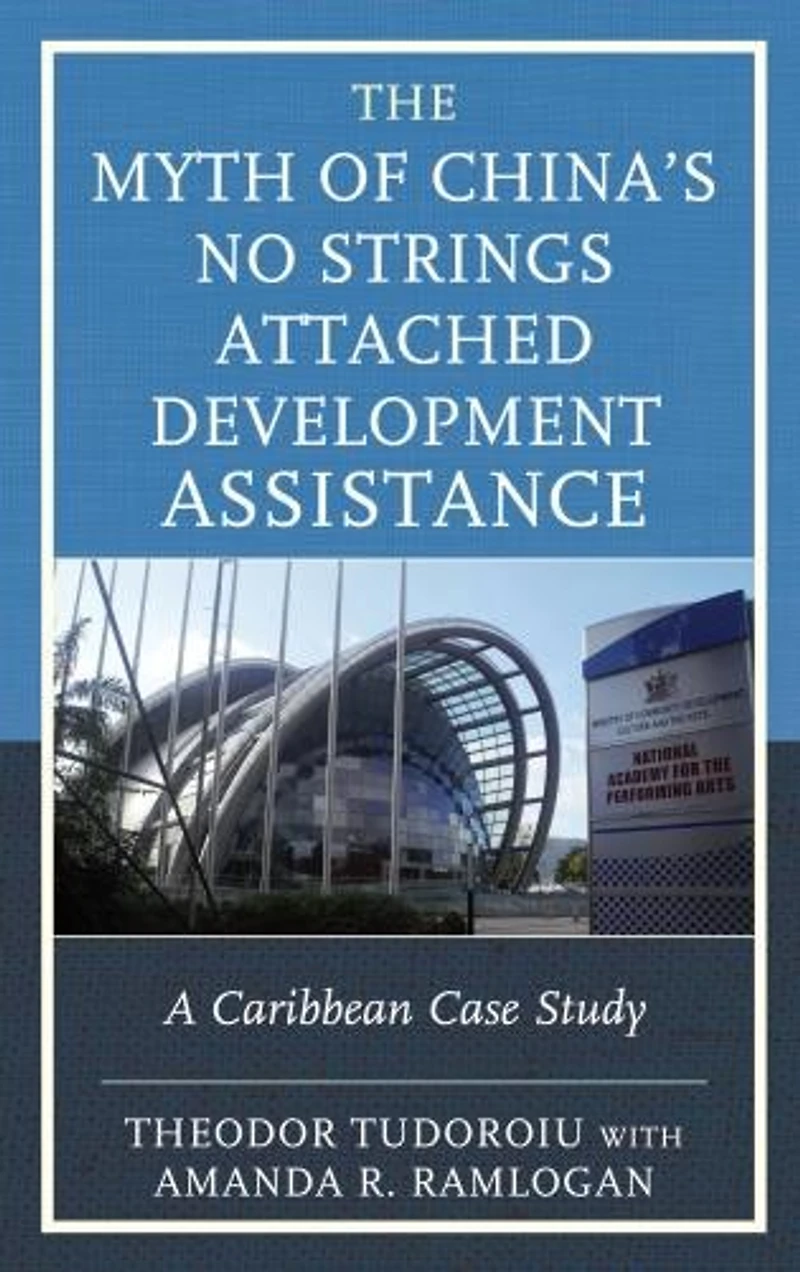
The Myth of China's No Strings Attached Development Assistance: A Caribbean Case Study
Current price: $175.50

The Myth of China's No Strings Attached Development Assistance: A Caribbean Case Study
Current price: $175.50
Loading Inventory...
Size: Hardcover
*Product information may vary - to confirm product availability, pricing, shipping and return information please contact Indigo
Using a Caribbean case study and a Constructivist theoretical approach, The Myth of China's No Strings Attached Development Assistance shows that the frequently mentioned "no strings attached" nature of China's development assistance to its partners in the Global South is nothing more than a myth. This claim is supported by empirical data from Trinidad and Tobago and by comparisons with similar situations in Africa and Latin America. On their basis, the authors propose a critical re-reading of a reality that many scholars are accustomed to watch through the reassuring but distorting lens of academic routine. Despite contrary claims in the literature, Beijing's development assistance to the Commonwealth Caribbean states is accompanied by clear political, economic, and social conditionalities. Through them, China is constructing a cognitive and normative space conducive to a new regional order that should be politically friendly, economically profitable, and socially open to its government, companies, and citizens.
Using a Caribbean case study and a Constructivist theoretical approach, The Myth of China's No Strings Attached Development Assistance shows that the frequently mentioned "no strings attached" nature of China's development assistance to its partners in the Global South is nothing more than a myth. This claim is supported by empirical data from Trinidad and Tobago and by comparisons with similar situations in Africa and Latin America. On their basis, the authors propose a critical re-reading of a reality that many scholars are accustomed to watch through the reassuring but distorting lens of academic routine. Despite contrary claims in the literature, Beijing's development assistance to the Commonwealth Caribbean states is accompanied by clear political, economic, and social conditionalities. Through them, China is constructing a cognitive and normative space conducive to a new regional order that should be politically friendly, economically profitable, and socially open to its government, companies, and citizens.
You May Also Like

















More About Indigo at Erin Mills Town Centre
The largest book retailer in Canada also offers toys, music, home décor, gifts and lifestyle products. What's Inside...Books, Magazines, CD’s and DVD’s, Toys and Gifts, Home Accents, Electronics, Baby’s and Children’s Section, Bath and Body, Kitchen and Bedroom, Stationary Located outside in the exterior plaza.
5015 Glen Erin Dr, Mississauga, ON L5M 0R7, Canada
Find Indigo at Erin Mills Town Centre in Mississauga ON
Visit Indigo at Erin Mills Town Centre in Mississauga ON