

GIVE THE PERFECT GIFT
Erin Mills Town Centre Gift Cards are the perfect choice for your gift giving needs.Purchase gift cards at kiosks near the food court or centre court, at Guest Services, or click below to purchase online.PURCHASE HEREHome
The Novel and Theatrical Imagination in Early Modern China
Indigo
Loading Inventory...
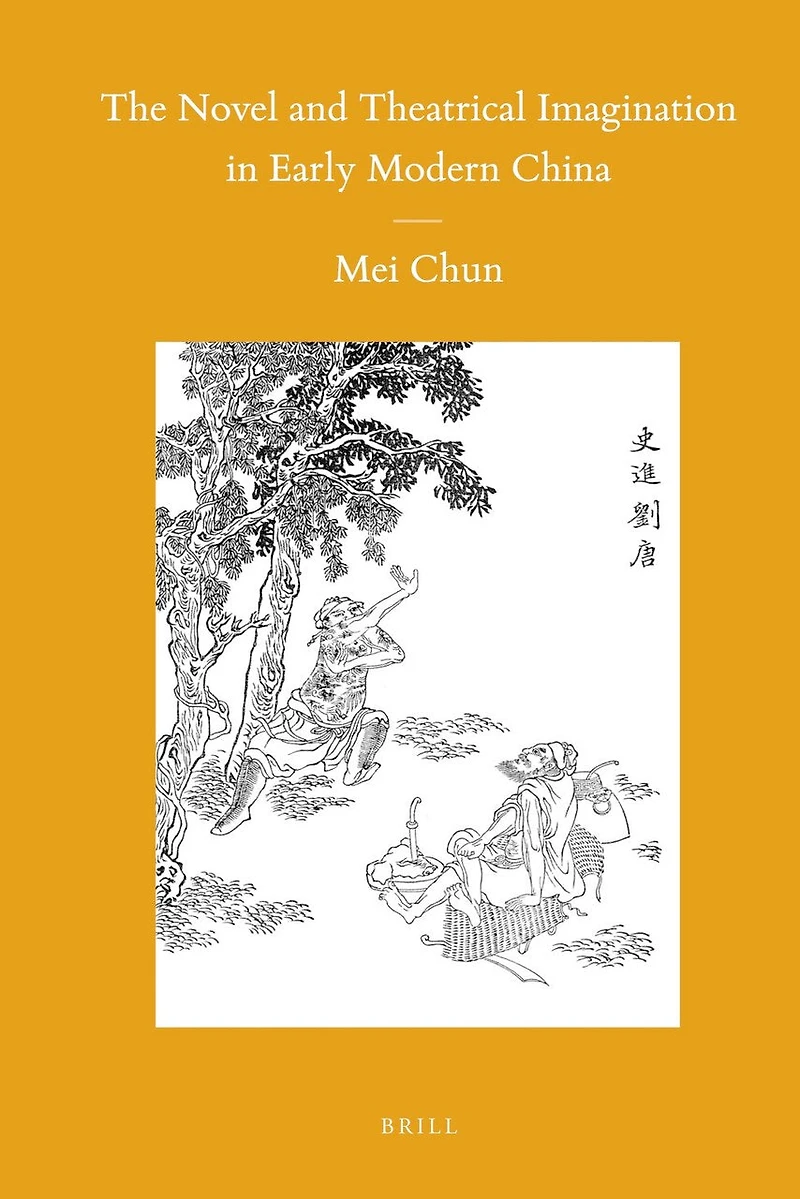
The Novel and Theatrical Imagination in Early Modern China
Current price: $211.99

The Novel and Theatrical Imagination in Early Modern China
Current price: $211.99
Loading Inventory...
Size: Hardcover
*Product information may vary - to confirm product availability, pricing, shipping and return information please contact Indigo
The cultural fascination with and imagination of theater has long been overlooked as an important historical and literary context for reading Water Margin and Journey to the West . This study focuses on the concept of “the theatrical” to read those novels and their commentaries. Imbued with performances, playacting, spectacles, and spectatorship, the early modern theatrical novel borrowed heavily from theater to conflate the theatrical and the real, juggle theatrical roles, persons, and identities, and contest orthodoxies by challenging and appropriating sites of control and authority. This study showcases the theatrical novel’s unique position as a new form of literati self-representation in response to the destabilizing social and political forces of early modern China.
The cultural fascination with and imagination of theater has long been overlooked as an important historical and literary context for reading Water Margin and Journey to the West . This study focuses on the concept of “the theatrical” to read those novels and their commentaries. Imbued with performances, playacting, spectacles, and spectatorship, the early modern theatrical novel borrowed heavily from theater to conflate the theatrical and the real, juggle theatrical roles, persons, and identities, and contest orthodoxies by challenging and appropriating sites of control and authority. This study showcases the theatrical novel’s unique position as a new form of literati self-representation in response to the destabilizing social and political forces of early modern China.
You May Also Like







More About Indigo at Erin Mills Town Centre
The largest book retailer in Canada also offers toys, music, home décor, gifts and lifestyle products. What's Inside...Books, Magazines, CD’s and DVD’s, Toys and Gifts, Home Accents, Electronics, Baby’s and Children’s Section, Bath and Body, Kitchen and Bedroom, Stationary Located outside in the exterior plaza.
5015 Glen Erin Dr, Mississauga, ON L5M 0R7, Canada
Find Indigo at Erin Mills Town Centre in Mississauga ON
Visit Indigo at Erin Mills Town Centre in Mississauga ON