

GIVE THE PERFECT GIFT
Erin Mills Town Centre Gift Cards are the perfect choice for your gift giving needs.Purchase gift cards at kiosks near the food court or centre court, at Guest Services, or click below to purchase online.PURCHASE HEREHome
The Operations of the Irish House of Commons, 1613–48
Indigo
Loading Inventory...
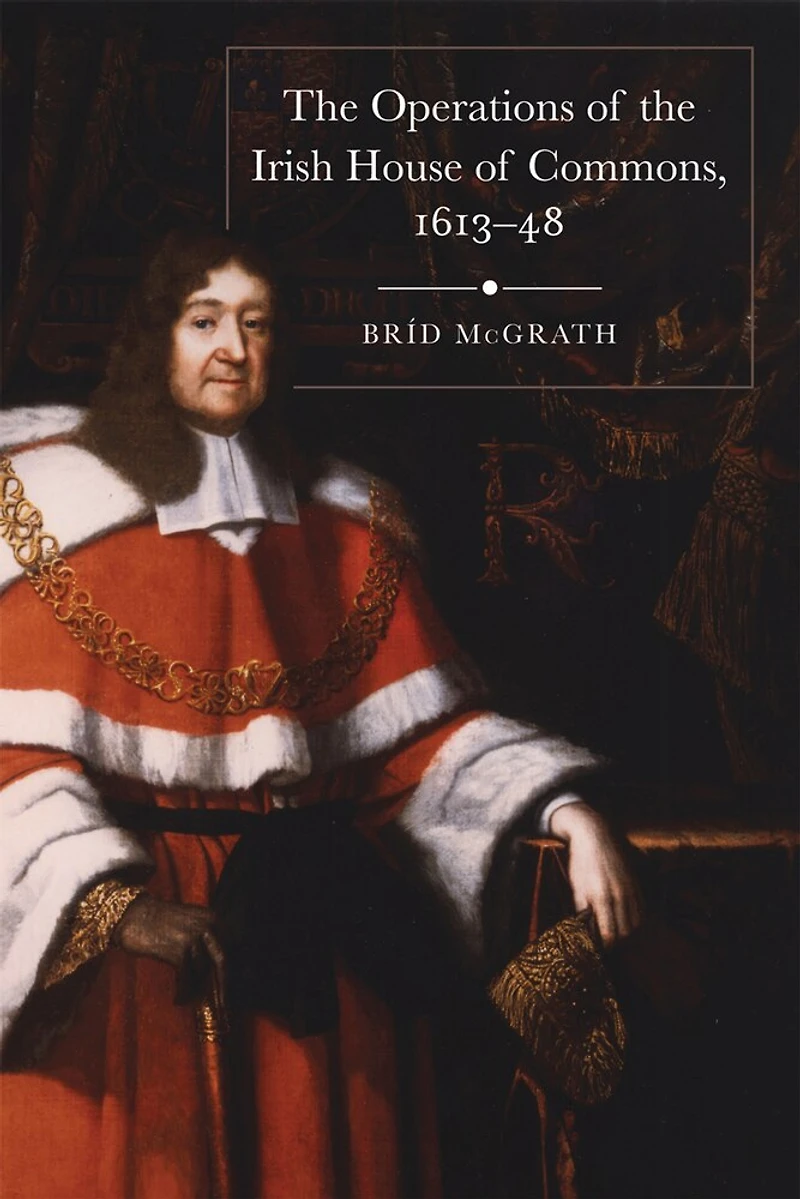
The Operations of the Irish House of Commons, 1613–48
Current price: $95.00

The Operations of the Irish House of Commons, 1613–48
Current price: $95.00
Loading Inventory...
Size: Hardcover
*Product information may vary - to confirm product availability, pricing, shipping and return information please contact Indigo
This is the first operational account of the Irish House of Commons in the early Stuart period, a time of immense change in early modern Ireland, when the parliament’s structures and operations were established in a manner that would endure until the Act of Union. This book describes the structures, powers, personnel, culture, and operations of the lower house of the Irish parliament, including electoral practice, the legislative process, economics of parliaments, including costs, taxation, and MPs’ wages, MPs’ individual and collective relationships with government, the House of Lords and their own constituents, the crown, and the English parliament. It also explores how the parliament, its personnel, and work changed during the government of lord deputies Arthur Chichester and Thomas Wentworth and during the period of the Confederation of Kilkenny.
This is the first operational account of the Irish House of Commons in the early Stuart period, a time of immense change in early modern Ireland, when the parliament’s structures and operations were established in a manner that would endure until the Act of Union. This book describes the structures, powers, personnel, culture, and operations of the lower house of the Irish parliament, including electoral practice, the legislative process, economics of parliaments, including costs, taxation, and MPs’ wages, MPs’ individual and collective relationships with government, the House of Lords and their own constituents, the crown, and the English parliament. It also explores how the parliament, its personnel, and work changed during the government of lord deputies Arthur Chichester and Thomas Wentworth and during the period of the Confederation of Kilkenny.
You May Also Like








More About Indigo at Erin Mills Town Centre
The largest book retailer in Canada also offers toys, music, home décor, gifts and lifestyle products. What's Inside...Books, Magazines, CD’s and DVD’s, Toys and Gifts, Home Accents, Electronics, Baby’s and Children’s Section, Bath and Body, Kitchen and Bedroom, Stationary Located outside in the exterior plaza.
5015 Glen Erin Dr, Mississauga, ON L5M 0R7, Canada
Find Indigo at Erin Mills Town Centre in Mississauga ON
Visit Indigo at Erin Mills Town Centre in Mississauga ON