

GIVE THE PERFECT GIFT
Erin Mills Town Centre Gift Cards are the perfect choice for your gift giving needs.Purchase gift cards at kiosks near the food court or centre court, at Guest Services, or click below to purchase online.PURCHASE HEREHome
the Origins of Early Christian Literature: Contextualizing New Testament within Greco-Roman Literary Culture
Indigo
Loading Inventory...
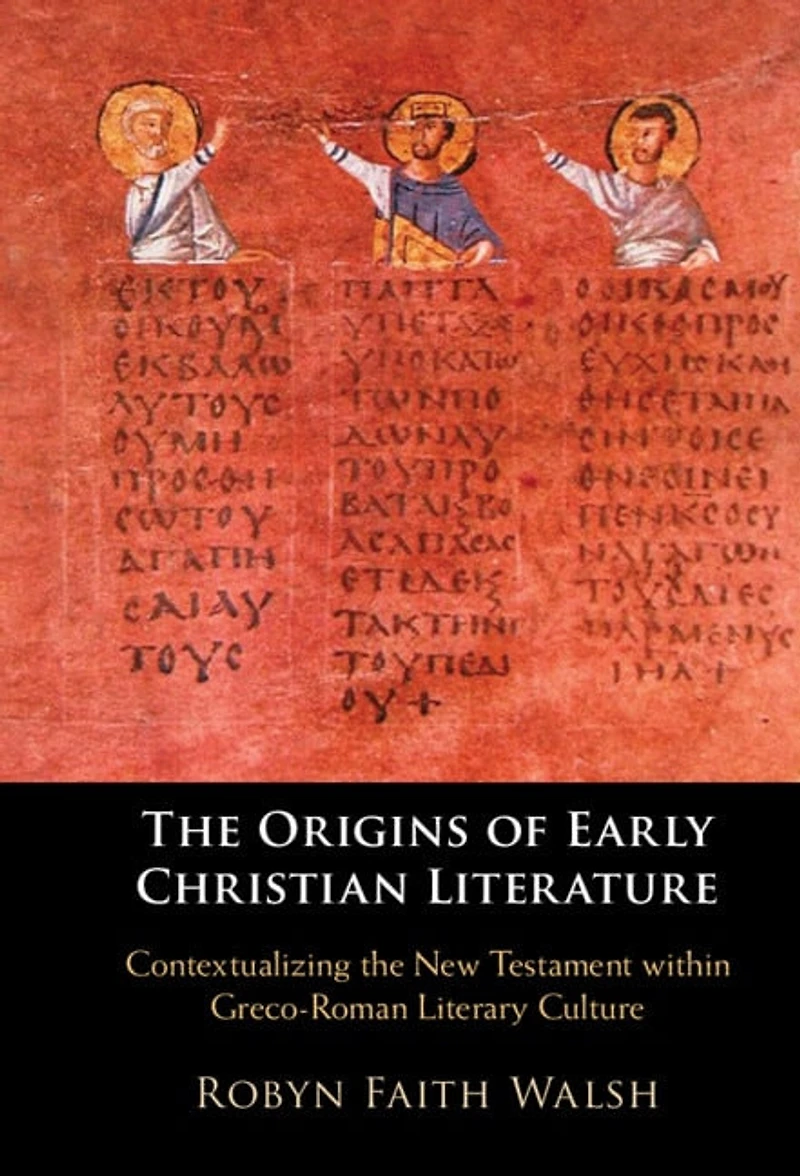
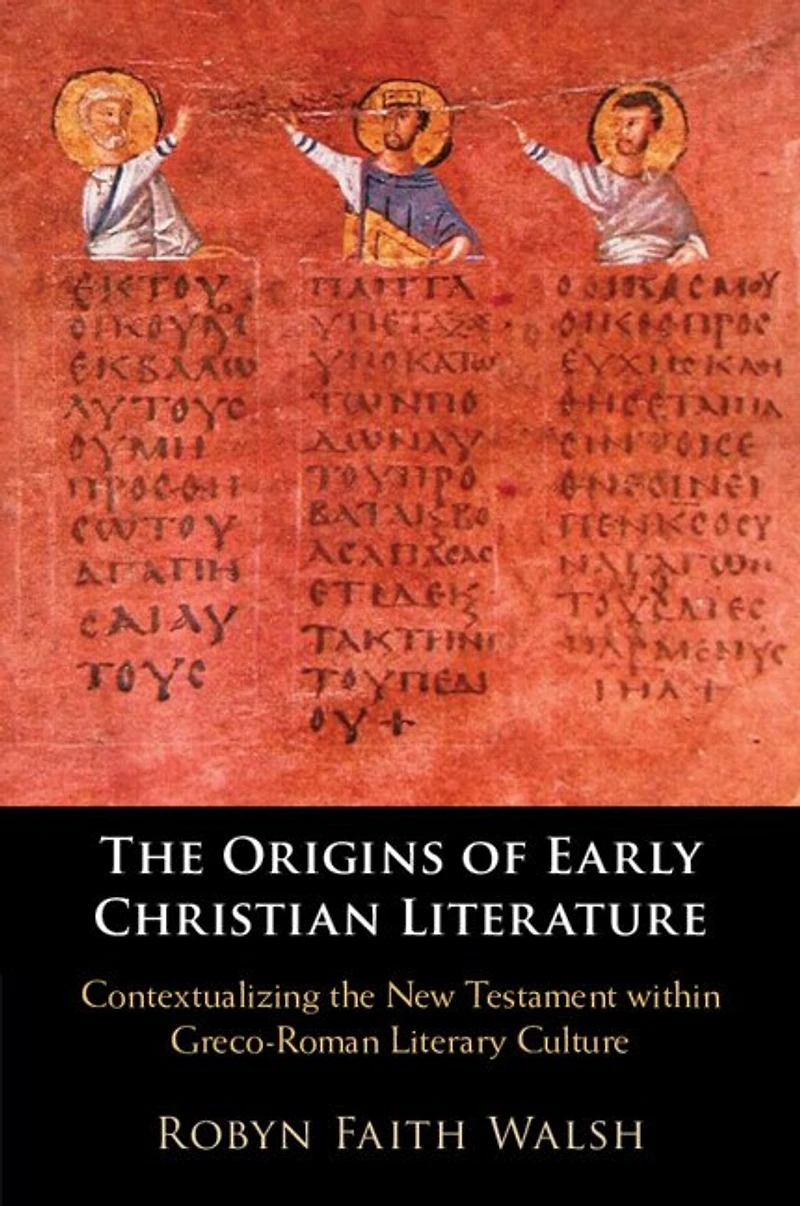
the Origins of Early Christian Literature: Contextualizing New Testament within Greco-Roman Literary Culture
Current price: $130.95

the Origins of Early Christian Literature: Contextualizing New Testament within Greco-Roman Literary Culture
Current price: $130.95
Loading Inventory...
Size: Hardcover
*Product information may vary - to confirm product availability, pricing, shipping and return information please contact Indigo
Conventional approaches to the Synoptic gospels argue that the gospel authors acted as literate spokespersons for their religious communities. Whether described as documenting intra-group 'oral traditions' or preserving the collective perspectives of their fellow Christ-followers, these writers are treated as something akin to the Romantic poet speaking for their Volk - a questionable framework inherited from nineteenth-century German Romanticism. In this book, Robyn Faith Walsh argues that the Synoptic gospels were written by elite cultural producers working within a dynamic cadre of literate specialists, including persons who may or may not have been professed Christians. Comparing a range of ancient literature, her ground-breaking study demonstrates that the gospels are creative works produced by educated elites interested in Judean teachings, practices, and paradoxographical subjects in the aftermath of the Jewish War and in dialogue with the literature of their age. Walsh's study thus bridges the artificial divide between research on the Synoptic gospels and Classics.
Conventional approaches to the Synoptic gospels argue that the gospel authors acted as literate spokespersons for their religious communities. Whether described as documenting intra-group 'oral traditions' or preserving the collective perspectives of their fellow Christ-followers, these writers are treated as something akin to the Romantic poet speaking for their Volk - a questionable framework inherited from nineteenth-century German Romanticism. In this book, Robyn Faith Walsh argues that the Synoptic gospels were written by elite cultural producers working within a dynamic cadre of literate specialists, including persons who may or may not have been professed Christians. Comparing a range of ancient literature, her ground-breaking study demonstrates that the gospels are creative works produced by educated elites interested in Judean teachings, practices, and paradoxographical subjects in the aftermath of the Jewish War and in dialogue with the literature of their age. Walsh's study thus bridges the artificial divide between research on the Synoptic gospels and Classics.
You May Also Like







More About Indigo at Erin Mills Town Centre
The largest book retailer in Canada also offers toys, music, home décor, gifts and lifestyle products. What's Inside...Books, Magazines, CD’s and DVD’s, Toys and Gifts, Home Accents, Electronics, Baby’s and Children’s Section, Bath and Body, Kitchen and Bedroom, Stationary Located outside in the exterior plaza.
5015 Glen Erin Dr, Mississauga, ON L5M 0R7, Canada
Find Indigo at Erin Mills Town Centre in Mississauga ON
Visit Indigo at Erin Mills Town Centre in Mississauga ON