

GIVE THE PERFECT GIFT
Erin Mills Town Centre Gift Cards are the perfect choice for your gift giving needs.Purchase gift cards at kiosks near the food court or centre court, at Guest Services, or click below to purchase online.PURCHASE HEREHome
The Other Synaesthesia
Indigo
Loading Inventory...
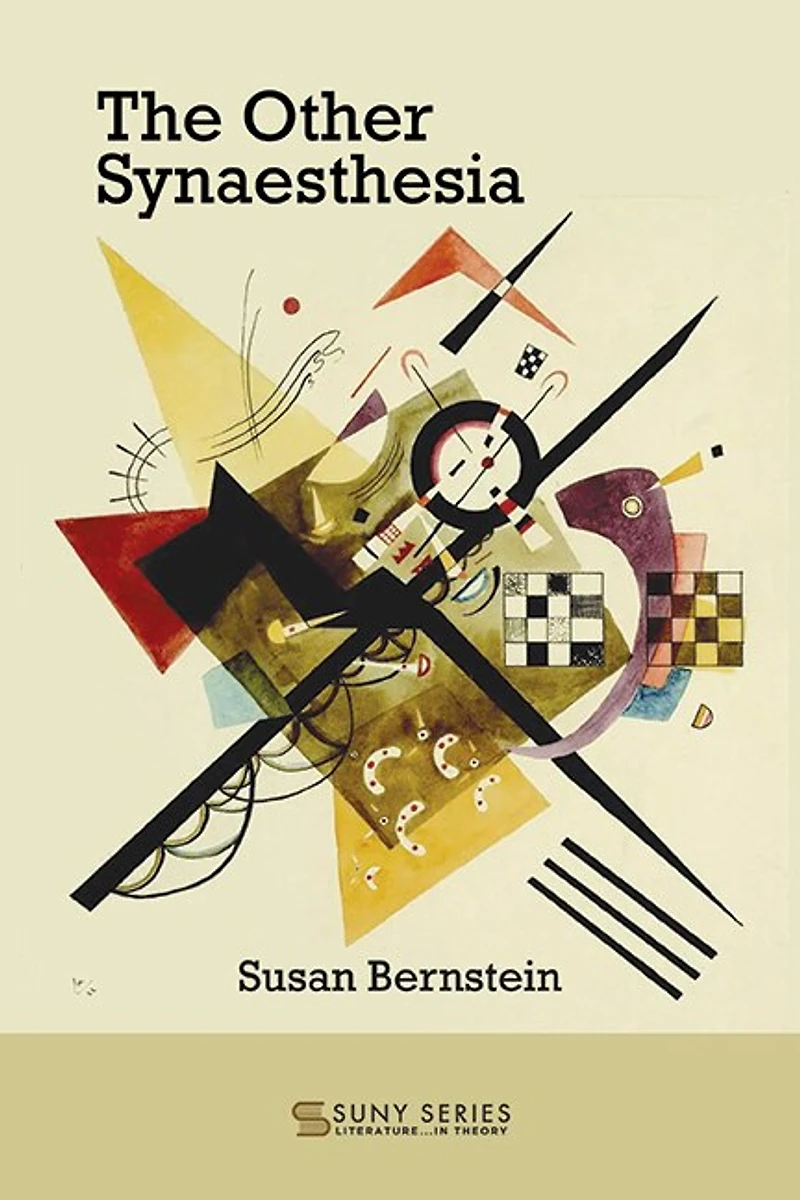
The Other Synaesthesia
Current price: $135.95

The Other Synaesthesia
Current price: $135.95
Loading Inventory...
Size: Hardcover
*Product information may vary - to confirm product availability, pricing, shipping and return information please contact Indigo
This book investigates synaesthesia in philosophy and literature, from Aristotle to Charles Baudelaire to Jean-Luc Nancy and beyond. Its central claim is that while synaesthesia is generally read as a figure of transcendence and unity, there is another effect of synaesthesia, one that articulates differences and displaces essence. This other synaesthesia opens up within or alongside the more familiar sense of synaesthesia as synthesis, pointing to an alternative understanding of the senses and of the arts as "interbelonging" in a kind of rhythmic relation rather than parts of a totalizing aesthetic whole. In so doing,
contests the suggestion that neurological synaesthesia is the foundation for the aesthetics of synaesthesia. Topics include Nancy's conception of community; the correspondence between Franz Liszt and George Sand; Baudelaire's poetics; Richard Wagner's theory of the
, or total work of art; decadence and symbolism; and Heidegger's critique of the correspondence theory of truth.
This book investigates synaesthesia in philosophy and literature, from Aristotle to Charles Baudelaire to Jean-Luc Nancy and beyond. Its central claim is that while synaesthesia is generally read as a figure of transcendence and unity, there is another effect of synaesthesia, one that articulates differences and displaces essence. This other synaesthesia opens up within or alongside the more familiar sense of synaesthesia as synthesis, pointing to an alternative understanding of the senses and of the arts as "interbelonging" in a kind of rhythmic relation rather than parts of a totalizing aesthetic whole. In so doing,
contests the suggestion that neurological synaesthesia is the foundation for the aesthetics of synaesthesia. Topics include Nancy's conception of community; the correspondence between Franz Liszt and George Sand; Baudelaire's poetics; Richard Wagner's theory of the
, or total work of art; decadence and symbolism; and Heidegger's critique of the correspondence theory of truth.











More About Indigo at Erin Mills Town Centre
The largest book retailer in Canada also offers toys, music, home décor, gifts and lifestyle products. What's Inside...Books, Magazines, CD’s and DVD’s, Toys and Gifts, Home Accents, Electronics, Baby’s and Children’s Section, Bath and Body, Kitchen and Bedroom, Stationary Located outside in the exterior plaza.
5015 Glen Erin Dr, Mississauga, ON L5M 0R7, Canada
Find Indigo at Erin Mills Town Centre in Mississauga ON
Visit Indigo at Erin Mills Town Centre in Mississauga ON