

GIVE THE PERFECT GIFT
Erin Mills Town Centre Gift Cards are the perfect choice for your gift giving needs.Purchase gift cards at kiosks near the food court or centre court, at Guest Services, or click below to purchase online.PURCHASE HEREHome
The Palgrave Handbook of Comparative Economics
Indigo
Loading Inventory...
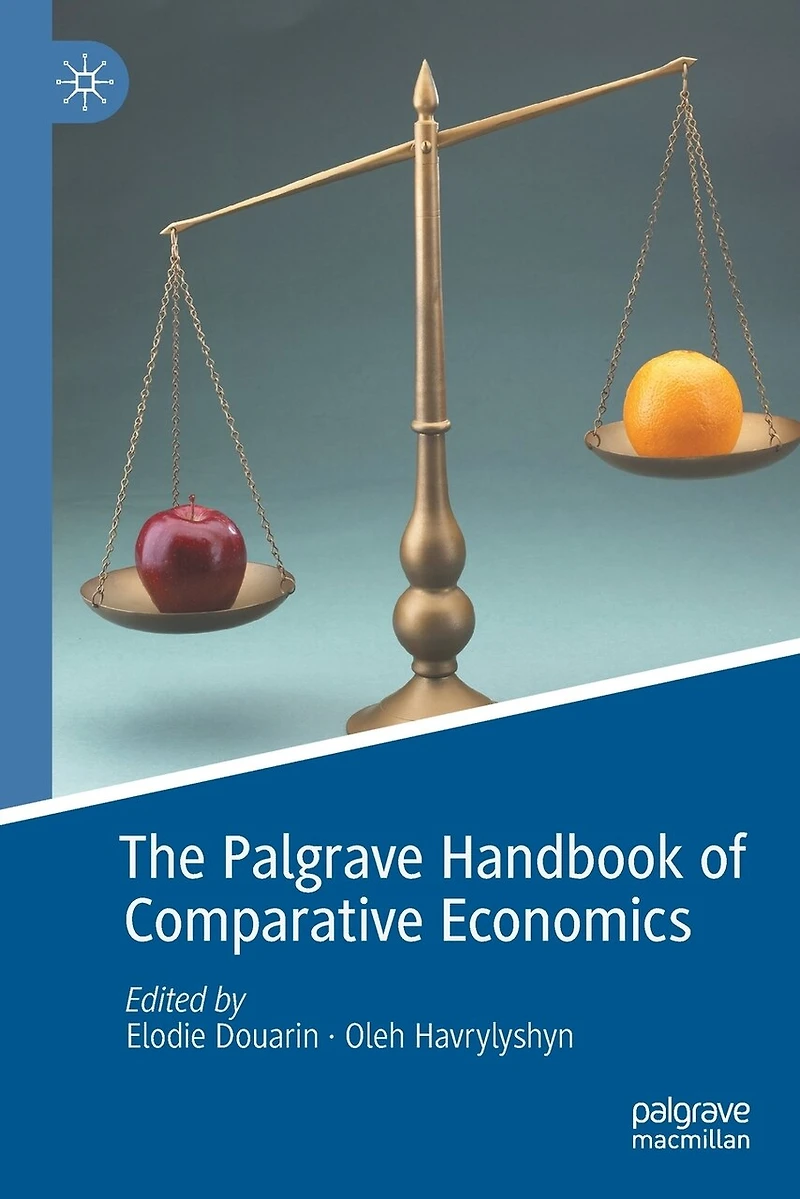
The Palgrave Handbook of Comparative Economics
Current price: $437.95

The Palgrave Handbook of Comparative Economics
Current price: $437.95
Loading Inventory...
Size: Paperback
*Product information may vary - to confirm product availability, pricing, shipping and return information please contact Indigo
This book aims to define comparative economics and to illustrate the breadth and depth of its contribution. It starts with an historiography of the field, arguing for a continued legacy of comparative economic systems, which compared socialism and capitalism, a field which some argued should have been replaced by institutional economics after the fall of the Berlin Wall. The process of transition to market capitalism is reviewed, and itself exemplifies a new combination of comparative analysis with a focus on institutional development. Going beyond, chapters broadening the application of comparative analysis and applying it to new issues and approaches, including the role and definition of institutions, subjective wellbeing, inequality, populism, demography, and novel methodologies. Overall, comparative economics has evolved in the past 30 years, and remains a powerful approach for analyzing important issues.
This book aims to define comparative economics and to illustrate the breadth and depth of its contribution. It starts with an historiography of the field, arguing for a continued legacy of comparative economic systems, which compared socialism and capitalism, a field which some argued should have been replaced by institutional economics after the fall of the Berlin Wall. The process of transition to market capitalism is reviewed, and itself exemplifies a new combination of comparative analysis with a focus on institutional development. Going beyond, chapters broadening the application of comparative analysis and applying it to new issues and approaches, including the role and definition of institutions, subjective wellbeing, inequality, populism, demography, and novel methodologies. Overall, comparative economics has evolved in the past 30 years, and remains a powerful approach for analyzing important issues.
You May Also Like

















More About Indigo at Erin Mills Town Centre
The largest book retailer in Canada also offers toys, music, home décor, gifts and lifestyle products. What's Inside...Books, Magazines, CD’s and DVD’s, Toys and Gifts, Home Accents, Electronics, Baby’s and Children’s Section, Bath and Body, Kitchen and Bedroom, Stationary Located outside in the exterior plaza.
5015 Glen Erin Dr, Mississauga, ON L5M 0R7, Canada
Find Indigo at Erin Mills Town Centre in Mississauga ON
Visit Indigo at Erin Mills Town Centre in Mississauga ON