

GIVE THE PERFECT GIFT
Erin Mills Town Centre Gift Cards are the perfect choice for your gift giving needs.Purchase gift cards at kiosks near the food court or centre court, at Guest Services, or click below to purchase online.PURCHASE HEREHome
The Palgrave International Handbook of Mixed Racial and Ethnic Classification
Indigo
Loading Inventory...
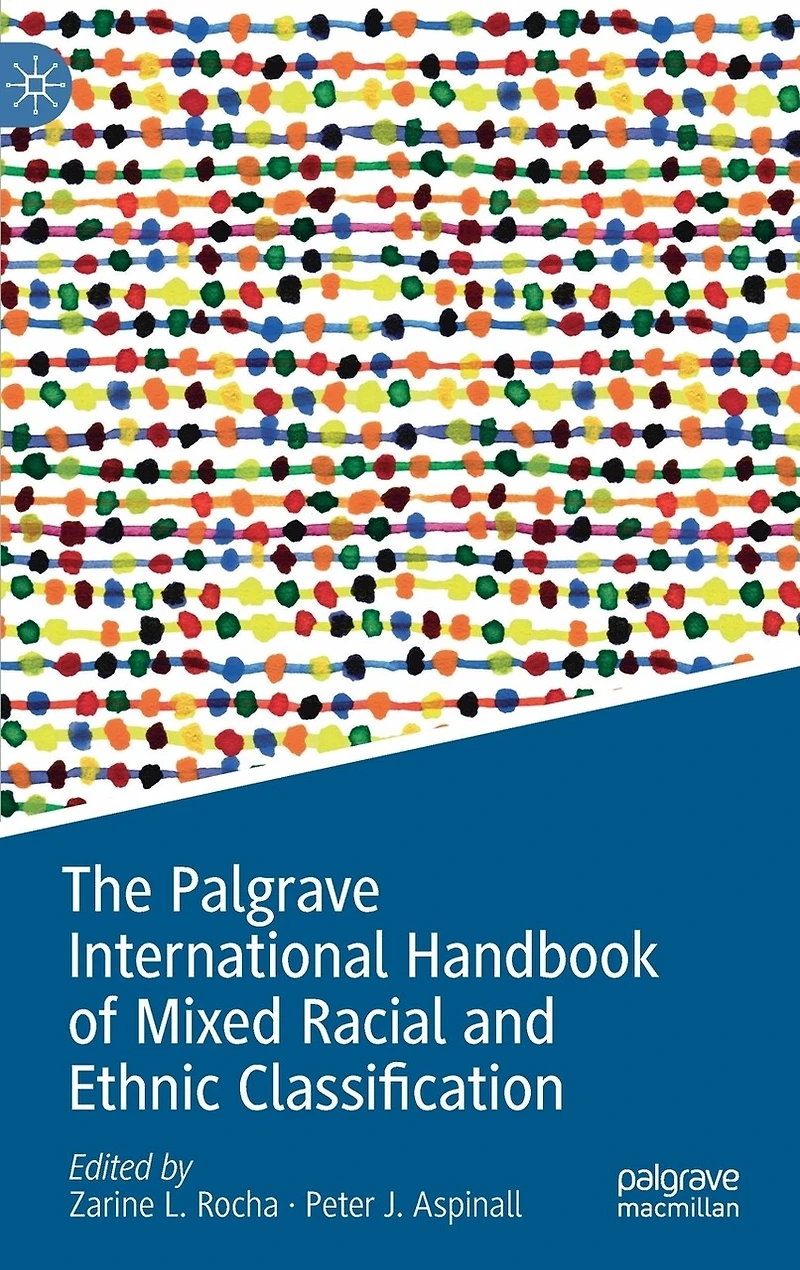
The Palgrave International Handbook of Mixed Racial and Ethnic Classification
Current price: $321.50

The Palgrave International Handbook of Mixed Racial and Ethnic Classification
Current price: $321.50
Loading Inventory...
Size: Hardcover
*Product information may vary - to confirm product availability, pricing, shipping and return information please contact Indigo
This handbook provides a global study of the classification of mixed race and ethnicity at the state level, bringing together a diverse range of country case studies from around the world.
The classification of race and ethnicity by the state is a common way to organize and make sense of populations in many countries, from the national census and birth and death records, to identity cards and household surveys. As populations have grown, diversified, and become increasingly transnational and mobile, single and mutually exclusive categories struggle to adequately capture the complexity of identities and heritages in multicultural societies. State motivations for classification vary widely, and have shifted over time, ranging from subjugation and exclusion to remediation and addressing inequalities. The chapters in this handbook illustrate how differing histories and contemporary realities have led states to count and classify mixedness in different ways, for different reasons.
This collection will serve as a key reference point on the international classification of mixed race and ethnicity for students and scholars across sociology, ethnic and racial studies, and public policy, as well as policy makers and practitioners.
This handbook provides a global study of the classification of mixed race and ethnicity at the state level, bringing together a diverse range of country case studies from around the world.
The classification of race and ethnicity by the state is a common way to organize and make sense of populations in many countries, from the national census and birth and death records, to identity cards and household surveys. As populations have grown, diversified, and become increasingly transnational and mobile, single and mutually exclusive categories struggle to adequately capture the complexity of identities and heritages in multicultural societies. State motivations for classification vary widely, and have shifted over time, ranging from subjugation and exclusion to remediation and addressing inequalities. The chapters in this handbook illustrate how differing histories and contemporary realities have led states to count and classify mixedness in different ways, for different reasons.
This collection will serve as a key reference point on the international classification of mixed race and ethnicity for students and scholars across sociology, ethnic and racial studies, and public policy, as well as policy makers and practitioners.
You May Also Like







More About Indigo at Erin Mills Town Centre
The largest book retailer in Canada also offers toys, music, home décor, gifts and lifestyle products. What's Inside...Books, Magazines, CD’s and DVD’s, Toys and Gifts, Home Accents, Electronics, Baby’s and Children’s Section, Bath and Body, Kitchen and Bedroom, Stationary Located outside in the exterior plaza.
5015 Glen Erin Dr, Mississauga, ON L5M 0R7, Canada
Find Indigo at Erin Mills Town Centre in Mississauga ON
Visit Indigo at Erin Mills Town Centre in Mississauga ON