

GIVE THE PERFECT GIFT
Erin Mills Town Centre Gift Cards are the perfect choice for your gift giving needs.Purchase gift cards at kiosks near the food court or centre court, at Guest Services, or click below to purchase online.PURCHASE HEREHome
the Past Can't Heal Us: Dangers of Mandating Memory Name Human Rights
Indigo
Loading Inventory...
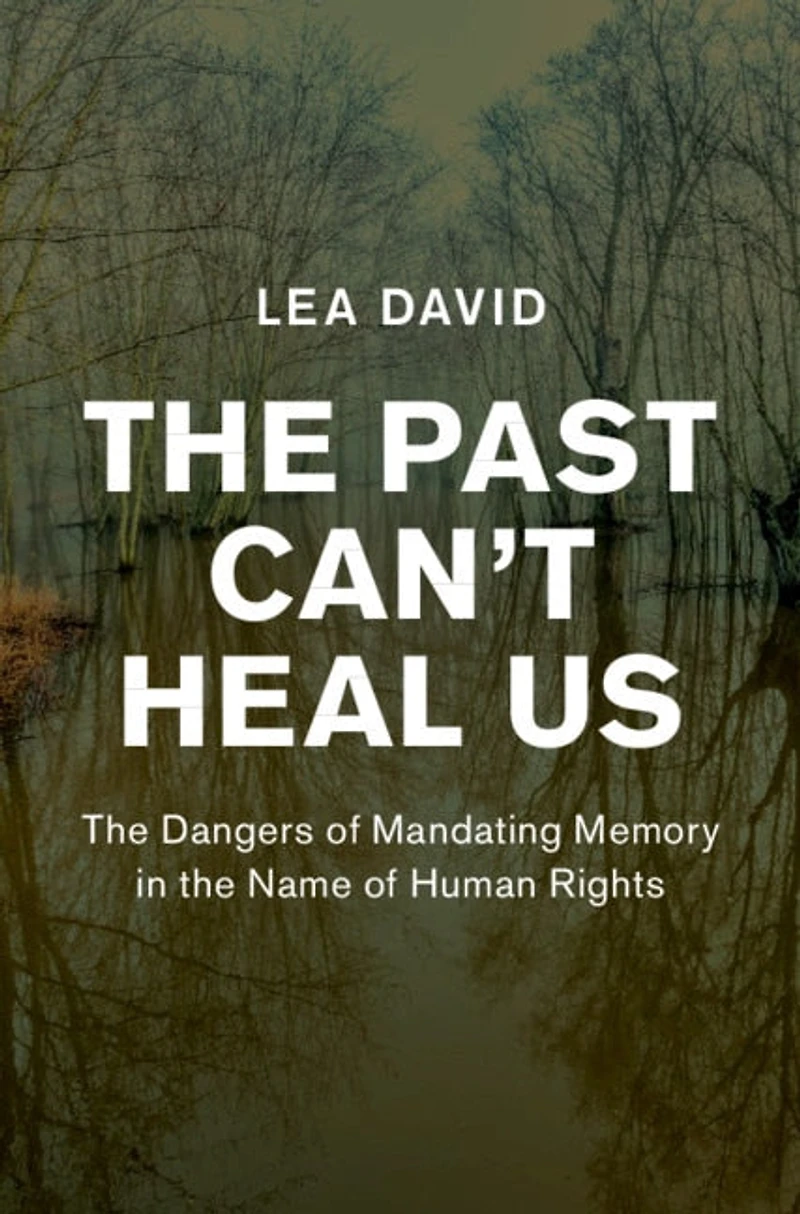
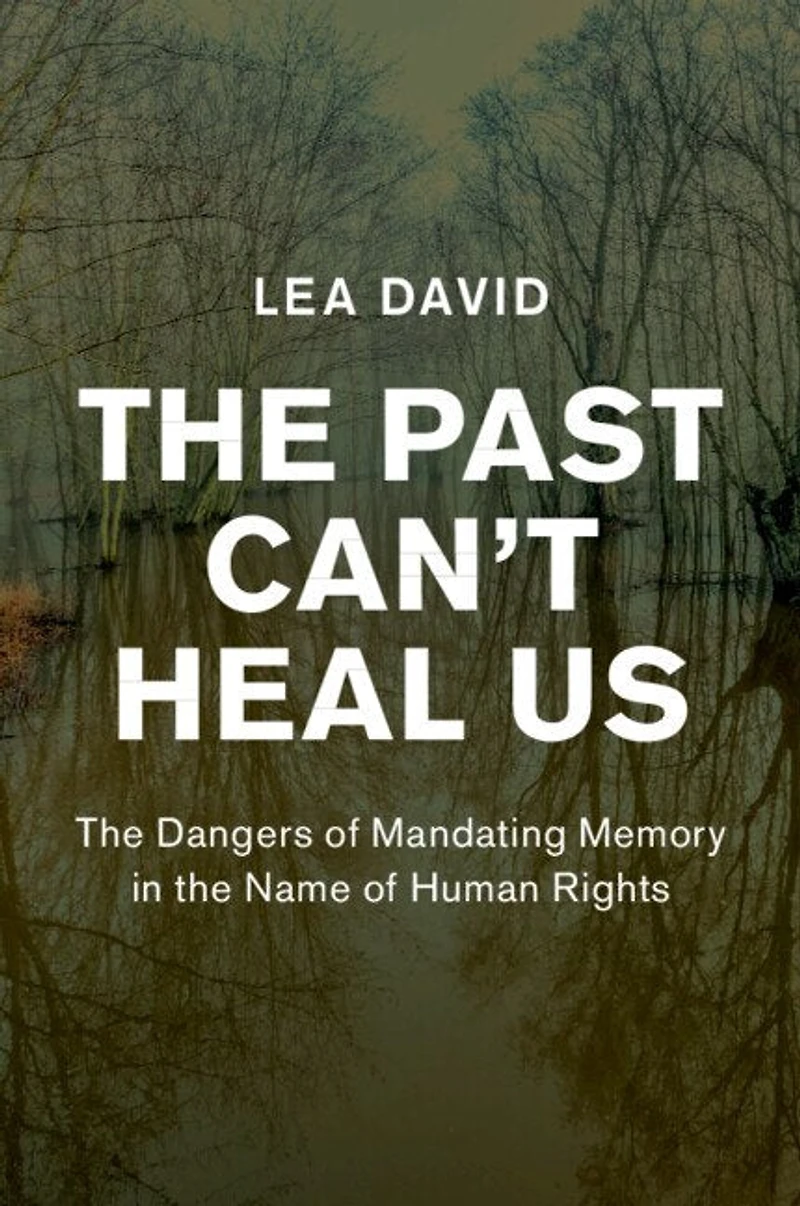
the Past Can't Heal Us: Dangers of Mandating Memory Name Human Rights
Current price: $130.95

the Past Can't Heal Us: Dangers of Mandating Memory Name Human Rights
Current price: $130.95
Loading Inventory...
Size: Hardcover
*Product information may vary - to confirm product availability, pricing, shipping and return information please contact Indigo
In this innovative study, Lea David critically investigates the relationship between human rights and memory, suggesting that, instead of understanding human rights in a normative fashion, human rights should be treated as an ideology. Conceptualizing human rights as an ideology gives us useful theoretical and methodological tools to recognize the real impact human rights has on the ground. David traces the rise of the global phenomenon that is the human rights memorialization agenda, termed 'Moral Remembrance', and explores what happens once this agenda becomes implemented. Based on evidence from the Western Balkans and Israel/Palestine, she argues that the human rights memorialization agenda does not lead to a better appreciation of human rights but, contrary to what would be expected, it merely serves to strengthen national sentiments, divisions and animosities along ethnic lines, and leads to the new forms of societal inequalities that are closely connected to different forms of corruptions.
In this innovative study, Lea David critically investigates the relationship between human rights and memory, suggesting that, instead of understanding human rights in a normative fashion, human rights should be treated as an ideology. Conceptualizing human rights as an ideology gives us useful theoretical and methodological tools to recognize the real impact human rights has on the ground. David traces the rise of the global phenomenon that is the human rights memorialization agenda, termed 'Moral Remembrance', and explores what happens once this agenda becomes implemented. Based on evidence from the Western Balkans and Israel/Palestine, she argues that the human rights memorialization agenda does not lead to a better appreciation of human rights but, contrary to what would be expected, it merely serves to strengthen national sentiments, divisions and animosities along ethnic lines, and leads to the new forms of societal inequalities that are closely connected to different forms of corruptions.
You May Also Like








More About Indigo at Erin Mills Town Centre
The largest book retailer in Canada also offers toys, music, home décor, gifts and lifestyle products. What's Inside...Books, Magazines, CD’s and DVD’s, Toys and Gifts, Home Accents, Electronics, Baby’s and Children’s Section, Bath and Body, Kitchen and Bedroom, Stationary Located outside in the exterior plaza.
5015 Glen Erin Dr, Mississauga, ON L5M 0R7, Canada
Find Indigo at Erin Mills Town Centre in Mississauga ON
Visit Indigo at Erin Mills Town Centre in Mississauga ON