

GIVE THE PERFECT GIFT
Erin Mills Town Centre Gift Cards are the perfect choice for your gift giving needs.Purchase gift cards at kiosks near the food court or centre court, at Guest Services, or click below to purchase online.PURCHASE HEREHome
The Patola Shahi Dynasty
Indigo
Loading Inventory...
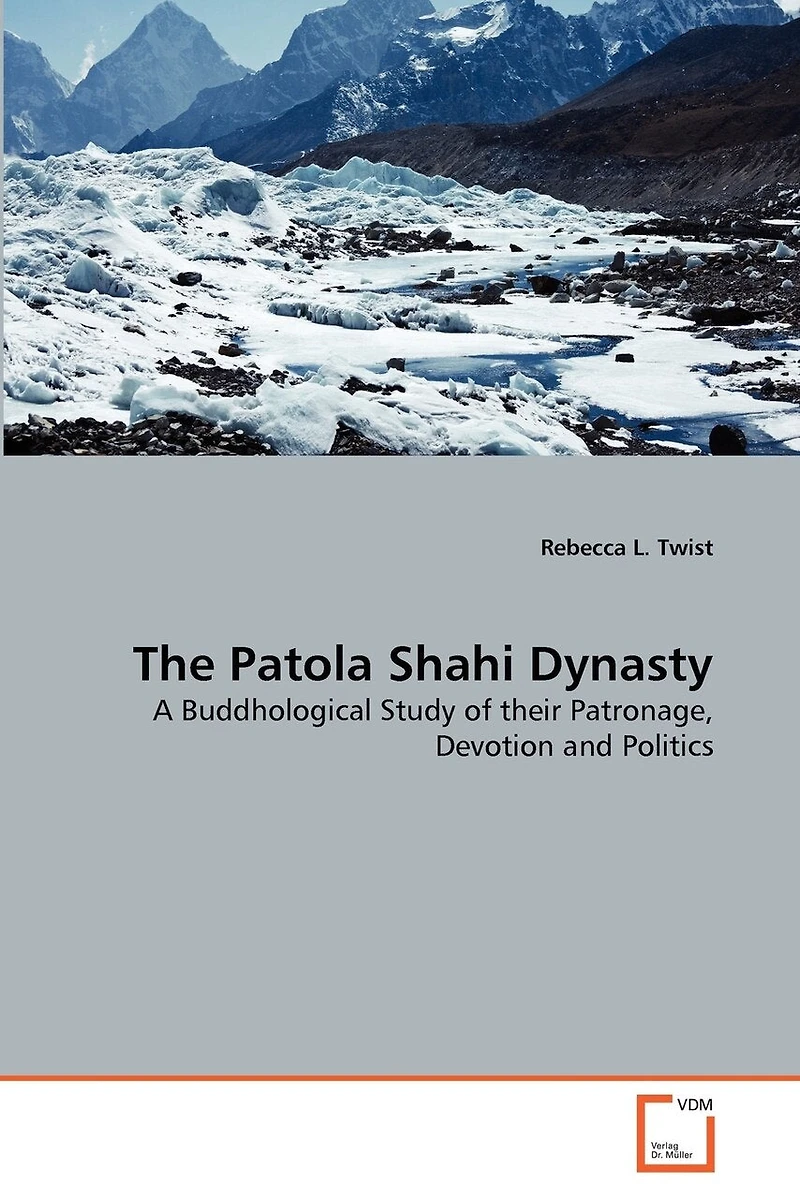
The Patola Shahi Dynasty
Current price: $110.95

The Patola Shahi Dynasty
Current price: $110.95
Loading Inventory...
Size: Paperback
*Product information may vary - to confirm product availability, pricing, shipping and return information please contact Indigo
In the 6th-8th c., the Patola Shahis ruled the country of Bolor, in what today is Northern Pakistan. There are a number of Buddhist artworks and texts that can be attributed through inscriptions to this royal family. Although the dynasty's visual record is clearly Buddhist, no comprehensive art historical scholarship has been conducted on it where the iconography of the images as a group is analyzed or placed within the broader framework of Buddhist theoretical practices. This study focuses on the visual culture of this dynasty, analyzing major iconographic features and interpreting them within a Buddhological context. The epigraphical and compositional components are also examined for their significance to specific Buddhist teachings, as well as the political aspirations that were also part of their Buddhist practices. By considering their visual record within a larger framework of social, religious, and political practices, the motives for the royal patronage and multivalent iconographies are gleaned. This study should be useful to professionals in the field of Art History and Buddhist studies, or anyone else interested in the issues of patronage and politics.
In the 6th-8th c., the Patola Shahis ruled the country of Bolor, in what today is Northern Pakistan. There are a number of Buddhist artworks and texts that can be attributed through inscriptions to this royal family. Although the dynasty's visual record is clearly Buddhist, no comprehensive art historical scholarship has been conducted on it where the iconography of the images as a group is analyzed or placed within the broader framework of Buddhist theoretical practices. This study focuses on the visual culture of this dynasty, analyzing major iconographic features and interpreting them within a Buddhological context. The epigraphical and compositional components are also examined for their significance to specific Buddhist teachings, as well as the political aspirations that were also part of their Buddhist practices. By considering their visual record within a larger framework of social, religious, and political practices, the motives for the royal patronage and multivalent iconographies are gleaned. This study should be useful to professionals in the field of Art History and Buddhist studies, or anyone else interested in the issues of patronage and politics.
You May Also Like









More About Indigo at Erin Mills Town Centre
The largest book retailer in Canada also offers toys, music, home décor, gifts and lifestyle products. What's Inside...Books, Magazines, CD’s and DVD’s, Toys and Gifts, Home Accents, Electronics, Baby’s and Children’s Section, Bath and Body, Kitchen and Bedroom, Stationary Located outside in the exterior plaza.
5015 Glen Erin Dr, Mississauga, ON L5M 0R7, Canada
Find Indigo at Erin Mills Town Centre in Mississauga ON
Visit Indigo at Erin Mills Town Centre in Mississauga ON