

GIVE THE PERFECT GIFT
Erin Mills Town Centre Gift Cards are the perfect choice for your gift giving needs.Purchase gift cards at kiosks near the food court or centre court, at Guest Services, or click below to purchase online.PURCHASE HEREHome
the Peoples' Friendship University Moscow: Soviet Educational Cooperation with Global South during Cold War
Indigo
Loading Inventory...
the Peoples' Friendship University Moscow: Soviet Educational Cooperation with Global South during Cold War
Current price: $167.95

the Peoples' Friendship University Moscow: Soviet Educational Cooperation with Global South during Cold War
Current price: $167.95
Loading Inventory...
Size: Hardcover
*Product information may vary - to confirm product availability, pricing, shipping and return information please contact Indigo
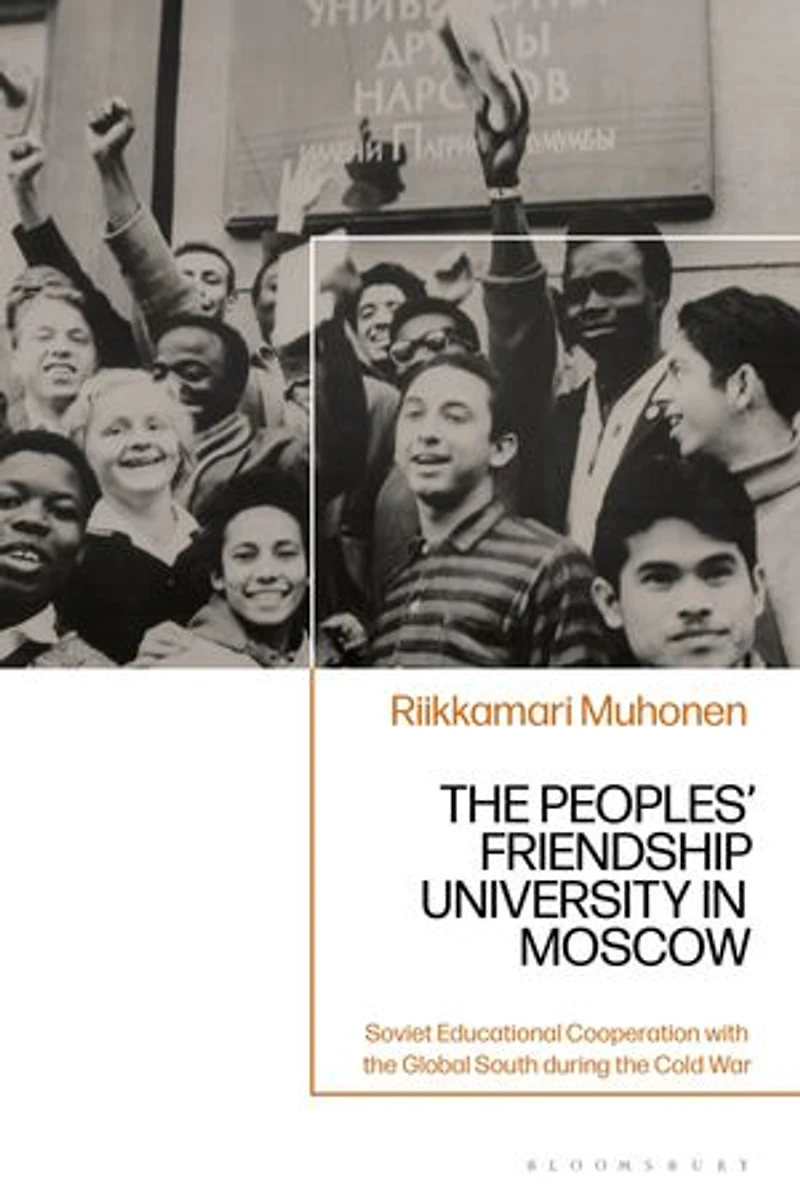
The Peoples' Friendship University in Moscow is the first close analysis of the history of the most important educational institute in the USSR for educating students from the Global South. Through her analysis of this key institution of Soviet internationalism during the Cold War, Riikkamari Muhonen provides a unique focus not only on everyday life within the institution, but how it supported the goals of Soviet public diplomacy towards nations affected by decolonization in Africa and the Middle East. Drawing on archival material and interviews with alumni students, Muhonen's mixed methodological approach creates a deep and varied view of the institution and contributes to a rapidly growing field of studies on grass-root level connections between the Second and the Third world in the spheres of cultural collaboration, development aid, and international education. This exploration of Soviet educational programs is important for broader understandings not only of post-war Soviet history, and the aftermath of decolonization and the global Cold War, but Russia's current and evolving relationship with allies across the Global South.
The Peoples' Friendship University in Moscow is the first close analysis of the history of the most important educational institute in the USSR for educating students from the Global South. Through her analysis of this key institution of Soviet internationalism during the Cold War, Riikkamari Muhonen provides a unique focus not only on everyday life within the institution, but how it supported the goals of Soviet public diplomacy towards nations affected by decolonization in Africa and the Middle East. Drawing on archival material and interviews with alumni students, Muhonen's mixed methodological approach creates a deep and varied view of the institution and contributes to a rapidly growing field of studies on grass-root level connections between the Second and the Third world in the spheres of cultural collaboration, development aid, and international education. This exploration of Soviet educational programs is important for broader understandings not only of post-war Soviet history, and the aftermath of decolonization and the global Cold War, but Russia's current and evolving relationship with allies across the Global South.
You May Also Like








More About Indigo at Erin Mills Town Centre
The largest book retailer in Canada also offers toys, music, home décor, gifts and lifestyle products. What's Inside...Books, Magazines, CD’s and DVD’s, Toys and Gifts, Home Accents, Electronics, Baby’s and Children’s Section, Bath and Body, Kitchen and Bedroom, Stationary Located outside in the exterior plaza.
5015 Glen Erin Dr, Mississauga, ON L5M 0R7, Canada
Find Indigo at Erin Mills Town Centre in Mississauga ON
Visit Indigo at Erin Mills Town Centre in Mississauga ON