

GIVE THE PERFECT GIFT
Erin Mills Town Centre Gift Cards are the perfect choice for your gift giving needs.Purchase gift cards at kiosks near the food court or centre court, at Guest Services, or click below to purchase online.PURCHASE HEREHome
The Philosophy of Epicurus
Indigo
Loading Inventory...
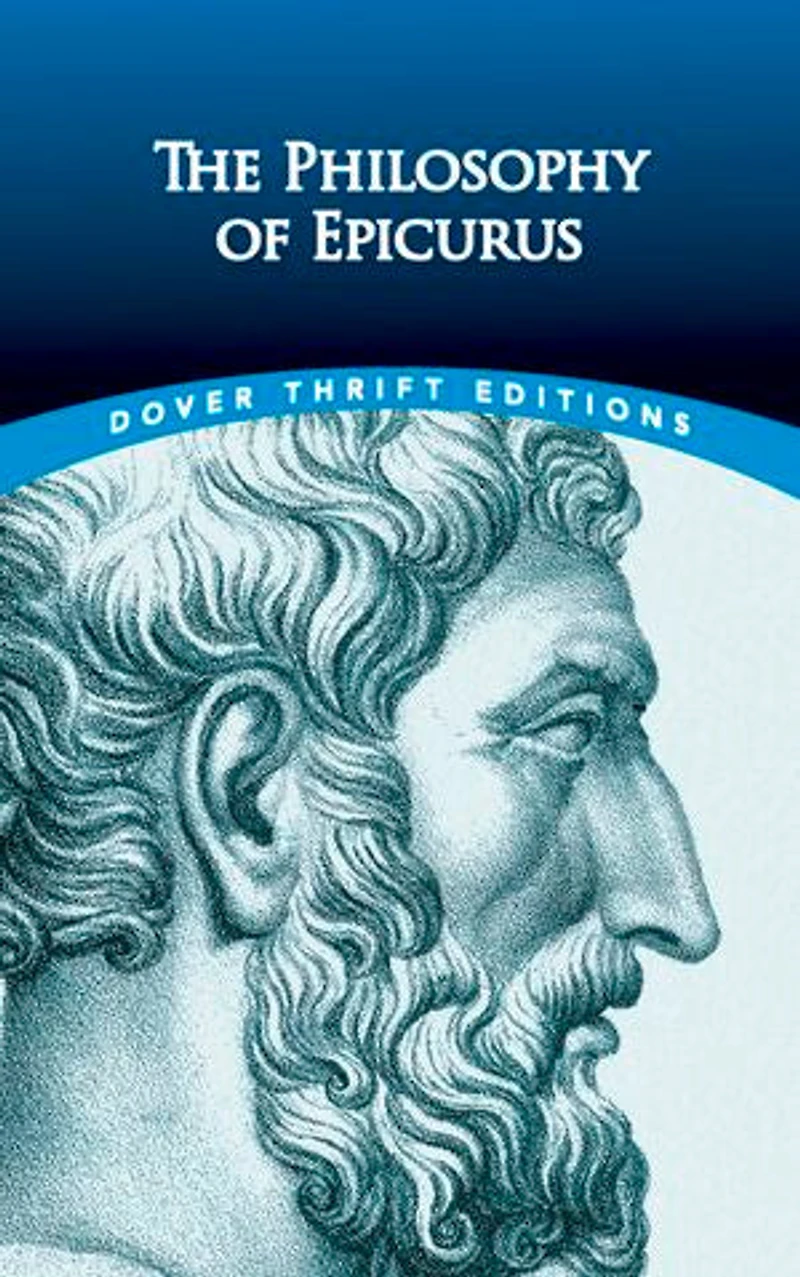
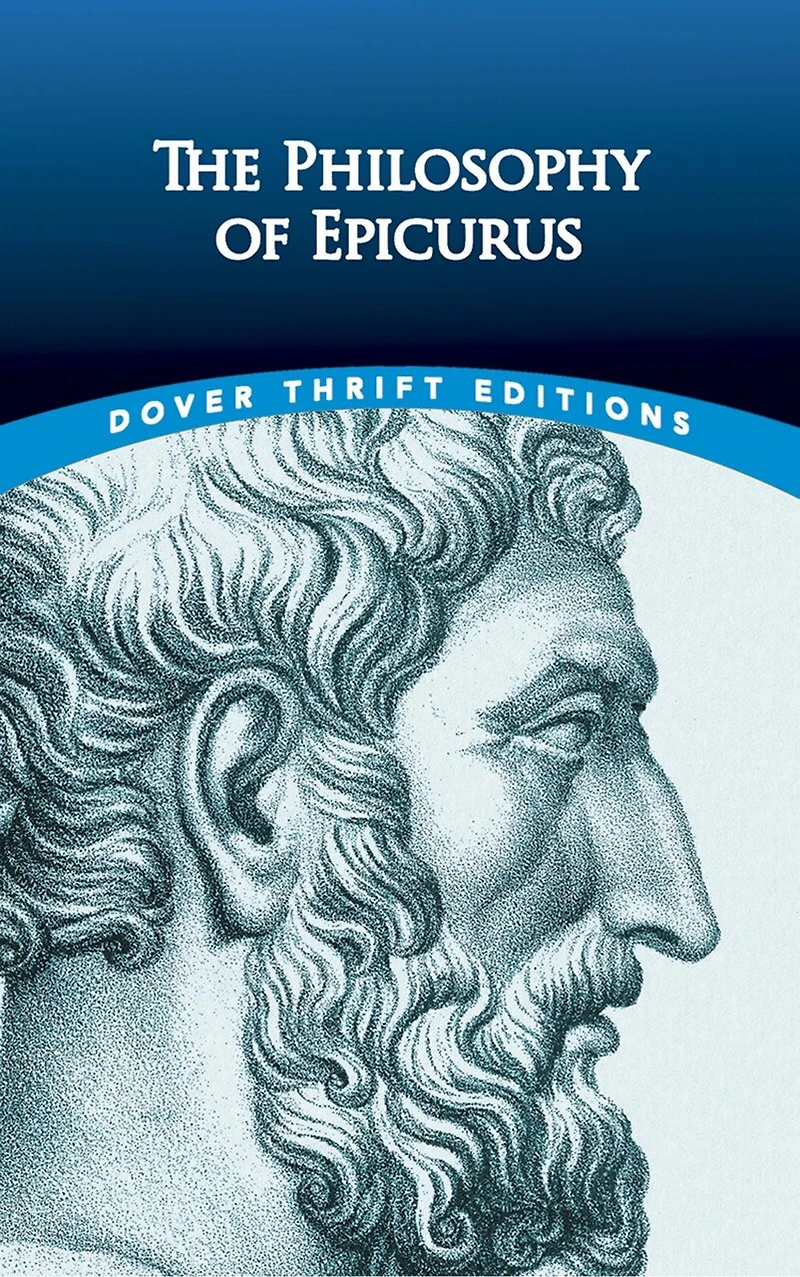
The Philosophy of Epicurus
Current price: $9.49
Original price: $10.86

The Philosophy of Epicurus
Current price: $9.49
Original price: $10.86
Loading Inventory...
Size: Kobo eBook
*Product information may vary - to confirm product availability, pricing, shipping and return information please contact Indigo
Despite its modern-day connotations of hedonism, "Epicureanism" has more to do with living a mindful, uncomplicated life. Epicurus -- who was born at Samos, Greece, in 341 BC and died at Athens in 270 BC -- founded a school of philosophy that focused on maximizing simple pleasures and minimizing pain, such as the irrational fear of death. "Death is nothing to us," declared Epicurus, "since when we are, death has not come, and when death has come, we are not."
The philosopher did not believe that humans would be punished for their sins after death, and he stressed the lifelong search for lasting pleasures: tranquility, friendship, and philosophical inquiry. Although Epicurus was a prolific author, very few of his writings have survived. This volume, edited and translated by George K. Strodach, features three important letters and a collection of observations preserved by the biographer of ancient philosophers, Diogenes Laertius. Students of philosophy and ancient history will appreciate this compilation of Epicurus's enduring wisdom.
Despite its modern-day connotations of hedonism, "Epicureanism" has more to do with living a mindful, uncomplicated life. Epicurus -- who was born at Samos, Greece, in 341 BC and died at Athens in 270 BC -- founded a school of philosophy that focused on maximizing simple pleasures and minimizing pain, such as the irrational fear of death. "Death is nothing to us," declared Epicurus, "since when we are, death has not come, and when death has come, we are not."
The philosopher did not believe that humans would be punished for their sins after death, and he stressed the lifelong search for lasting pleasures: tranquility, friendship, and philosophical inquiry. Although Epicurus was a prolific author, very few of his writings have survived. This volume, edited and translated by George K. Strodach, features three important letters and a collection of observations preserved by the biographer of ancient philosophers, Diogenes Laertius. Students of philosophy and ancient history will appreciate this compilation of Epicurus's enduring wisdom.
You May Also Like









More About Indigo at Erin Mills Town Centre
The largest book retailer in Canada also offers toys, music, home décor, gifts and lifestyle products. What's Inside...Books, Magazines, CD’s and DVD’s, Toys and Gifts, Home Accents, Electronics, Baby’s and Children’s Section, Bath and Body, Kitchen and Bedroom, Stationary Located outside in the exterior plaza.
5015 Glen Erin Dr, Mississauga, ON L5M 0R7, Canada
Find Indigo at Erin Mills Town Centre in Mississauga ON
Visit Indigo at Erin Mills Town Centre in Mississauga ON