

GIVE THE PERFECT GIFT
Erin Mills Town Centre Gift Cards are the perfect choice for your gift giving needs.Purchase gift cards at kiosks near the food court or centre court, at Guest Services, or click below to purchase online.PURCHASE HEREHome
The Poetics
Indigo
Loading Inventory...
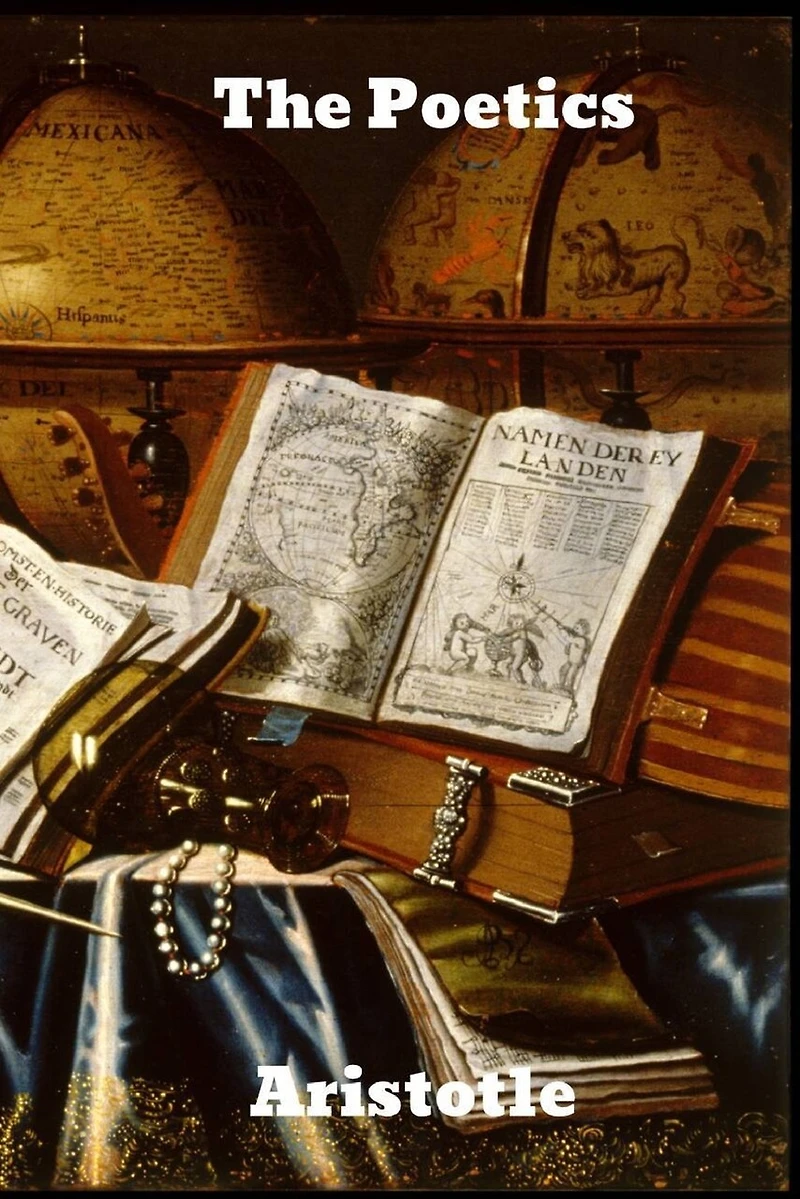
The Poetics
Current price: $11.99

The Poetics
Current price: $11.99
Loading Inventory...
Size: Paperback
*Product information may vary - to confirm product availability, pricing, shipping and return information please contact Indigo
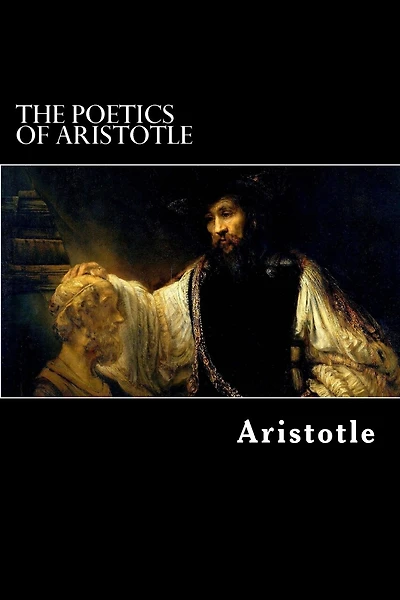
Aristotle's Poetics (Greek: Περὶ ποιητικῆς; Latin: De Poetica;[1] c. 335 BC[2]) is the earliest surviving work of dramatic theory and first extant philosophical treatise to focus on literary theory.[3] In it, Aristotle offers an account of what he calls "poetry" (a term that derives from a classical Greek term, ποιητής, that means "poet; author; maker" and in this context includes verse drama - comedy, tragedy, and the satyr play - as well as lyric poetry and epic poetry). They are similar in the fact that they are all imitations but different in the three ways that Aristotle describes: Differences in music rhythm, harmony, meter and melody.
Difference of goodness in the characters.
Difference in how the narrative is presented: telling a story or acting it out. In examining its "first principles", Aristotle finds two: 1) imitation and 2) genres and other concepts by which that of truth is applied/revealed in the poesis. His analysis of tragedy constitutes the core of the discussion.[4] Although Aristotle's Poetics is universally acknowledged in the Western critical tradition, "almost every detail about his seminal work has aroused divergent opinions".[5] The work was lost to the Western world for a long time. It was available in the Middle Ages and early Renaissance only through a Latin translation of an Arabic version written by Averroes.
Aristotle's Poetics (Greek: Περὶ ποιητικῆς; Latin: De Poetica;[1] c. 335 BC[2]) is the earliest surviving work of dramatic theory and first extant philosophical treatise to focus on literary theory.[3] In it, Aristotle offers an account of what he calls "poetry" (a term that derives from a classical Greek term, ποιητής, that means "poet; author; maker" and in this context includes verse drama - comedy, tragedy, and the satyr play - as well as lyric poetry and epic poetry). They are similar in the fact that they are all imitations but different in the three ways that Aristotle describes: Differences in music rhythm, harmony, meter and melody.
Difference of goodness in the characters.
Difference in how the narrative is presented: telling a story or acting it out. In examining its "first principles", Aristotle finds two: 1) imitation and 2) genres and other concepts by which that of truth is applied/revealed in the poesis. His analysis of tragedy constitutes the core of the discussion.[4] Although Aristotle's Poetics is universally acknowledged in the Western critical tradition, "almost every detail about his seminal work has aroused divergent opinions".[5] The work was lost to the Western world for a long time. It was available in the Middle Ages and early Renaissance only through a Latin translation of an Arabic version written by Averroes.
You May Also Like








More About Indigo at Erin Mills Town Centre
The largest book retailer in Canada also offers toys, music, home décor, gifts and lifestyle products. What's Inside...Books, Magazines, CD’s and DVD’s, Toys and Gifts, Home Accents, Electronics, Baby’s and Children’s Section, Bath and Body, Kitchen and Bedroom, Stationary Located outside in the exterior plaza.
5015 Glen Erin Dr, Mississauga, ON L5M 0R7, Canada
Find Indigo at Erin Mills Town Centre in Mississauga ON
Visit Indigo at Erin Mills Town Centre in Mississauga ON