

GIVE THE PERFECT GIFT
Erin Mills Town Centre Gift Cards are the perfect choice for your gift giving needs.Purchase gift cards at kiosks near the food court or centre court, at Guest Services, or click below to purchase online.PURCHASE HEREHome
The Poetry of John Tyndall
Indigo
Loading Inventory...
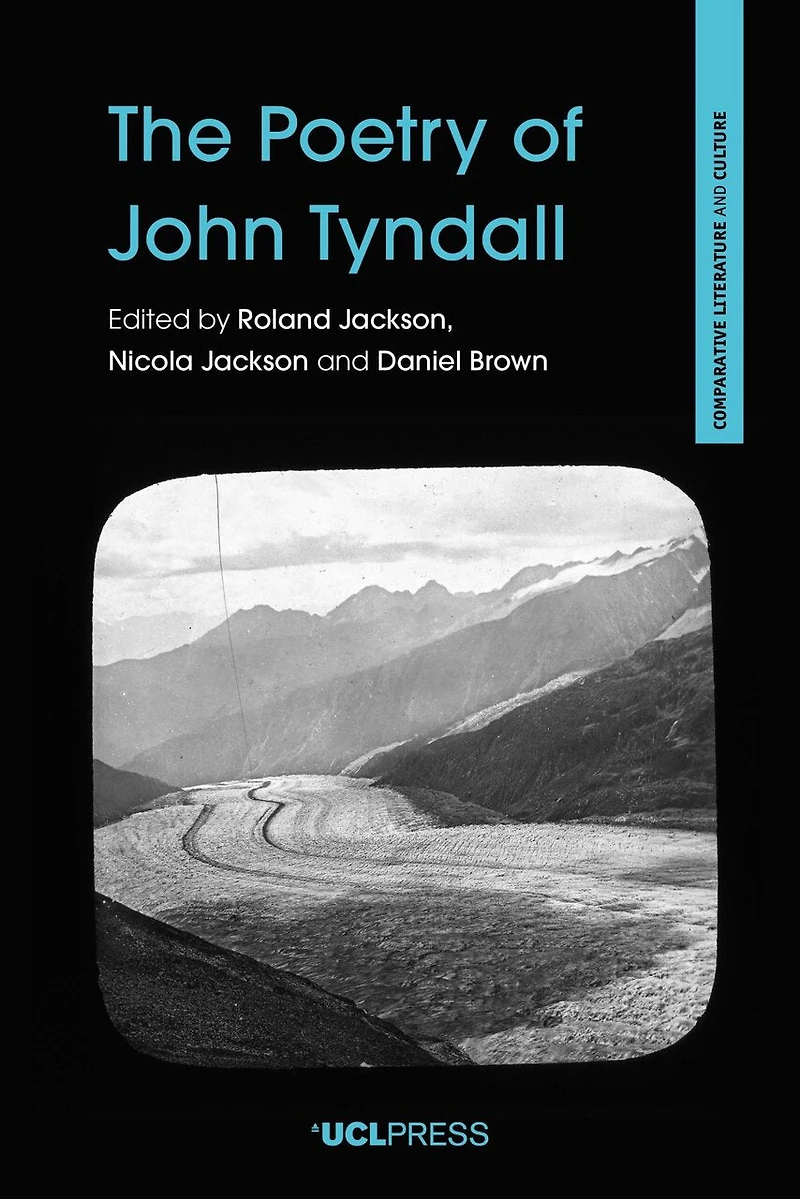
The Poetry of John Tyndall
Current price: $97.50

The Poetry of John Tyndall
Current price: $97.50
Loading Inventory...
Size: Hardcover
*Product information may vary - to confirm product availability, pricing, shipping and return information please contact Indigo
John Tyndall (c. 1822–1893), is best known as a leading natural philosopher and trenchant public intellectual of the Victorian age, who spoke and wrote controversially on the relationship between science and religion. Far fewer people know that he also wrote poetry.
The Poetry of John Tyndall contains annotated transcriptions of all 76 of Tyndall’s extant poems, the majority of which have not been published before. The poems are complemented by an extended introduction, which explores what the poems can tell us about Tyndall’s self-fashioning, his values and beliefs, and the role of poetry for him and his circle. More broadly, this introduction addresses the relationship between the scientific and poetic imaginations, and wider questions of the purpose of poetry in relation to science and religion in the nineteenth century.
John Tyndall (c. 1822–1893), is best known as a leading natural philosopher and trenchant public intellectual of the Victorian age, who spoke and wrote controversially on the relationship between science and religion. Far fewer people know that he also wrote poetry.
The Poetry of John Tyndall contains annotated transcriptions of all 76 of Tyndall’s extant poems, the majority of which have not been published before. The poems are complemented by an extended introduction, which explores what the poems can tell us about Tyndall’s self-fashioning, his values and beliefs, and the role of poetry for him and his circle. More broadly, this introduction addresses the relationship between the scientific and poetic imaginations, and wider questions of the purpose of poetry in relation to science and religion in the nineteenth century.
You May Also Like







More About Indigo at Erin Mills Town Centre
The largest book retailer in Canada also offers toys, music, home décor, gifts and lifestyle products. What's Inside...Books, Magazines, CD’s and DVD’s, Toys and Gifts, Home Accents, Electronics, Baby’s and Children’s Section, Bath and Body, Kitchen and Bedroom, Stationary Located outside in the exterior plaza.
5015 Glen Erin Dr, Mississauga, ON L5M 0R7, Canada
Find Indigo at Erin Mills Town Centre in Mississauga ON
Visit Indigo at Erin Mills Town Centre in Mississauga ON