

GIVE THE PERFECT GIFT
Erin Mills Town Centre Gift Cards are the perfect choice for your gift giving needs.Purchase gift cards at kiosks near the food court or centre court, at Guest Services, or click below to purchase online.PURCHASE HEREHome
the Political Psychology of Attitudes towards West: An Empirical Analysis from Tamil Nadu
Indigo
Loading Inventory...
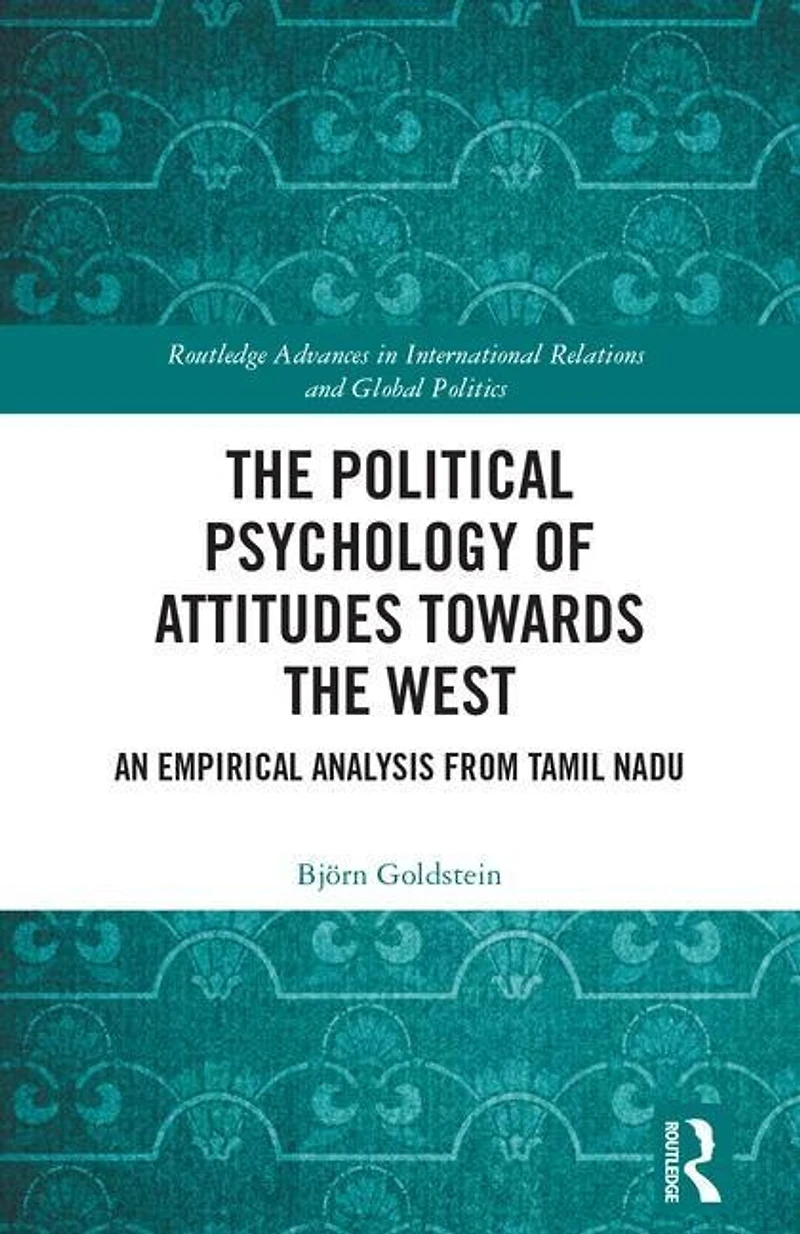

the Political Psychology of Attitudes towards West: An Empirical Analysis from Tamil Nadu
Current price: $333.50

the Political Psychology of Attitudes towards West: An Empirical Analysis from Tamil Nadu
Current price: $333.50
Loading Inventory...
Size: Hardcover
*Product information may vary - to confirm product availability, pricing, shipping and return information please contact Indigo
Why do some individuals from the imagined "non-West" view the "West" favorably and others do not? Grounded in psychological authoritarianism and the psychological reactions to experiences of rejection, Björn Goldstein provides a theoretical model to explain and predict attitude toward the "West." Using accounts from high-ranking politicians from different socioeconomic groups in the Tamil Nadu region of India-a region independent from the often too "emotionalized" discourse regarding (political) Islam-Goldstein challenges the conventional narrative that the most important factors for attitude formation toward the West are experiences of disregard and oppression perpetrated by the West. ã Far beyond the personal characteristics of individuals, differences in attitudes follow a regular pattern of variables influencing opinion and attitude formation toward the West in each society. Scoring high on authoritarianism predicts "anti-Western" attitudes far better than socio-economic status, cultural or moral concerns, or normative differences do.
Why do some individuals from the imagined "non-West" view the "West" favorably and others do not? Grounded in psychological authoritarianism and the psychological reactions to experiences of rejection, Björn Goldstein provides a theoretical model to explain and predict attitude toward the "West." Using accounts from high-ranking politicians from different socioeconomic groups in the Tamil Nadu region of India-a region independent from the often too "emotionalized" discourse regarding (political) Islam-Goldstein challenges the conventional narrative that the most important factors for attitude formation toward the West are experiences of disregard and oppression perpetrated by the West. ã Far beyond the personal characteristics of individuals, differences in attitudes follow a regular pattern of variables influencing opinion and attitude formation toward the West in each society. Scoring high on authoritarianism predicts "anti-Western" attitudes far better than socio-economic status, cultural or moral concerns, or normative differences do.
You May Also Like












More About Indigo at Erin Mills Town Centre
The largest book retailer in Canada also offers toys, music, home décor, gifts and lifestyle products. What's Inside...Books, Magazines, CD’s and DVD’s, Toys and Gifts, Home Accents, Electronics, Baby’s and Children’s Section, Bath and Body, Kitchen and Bedroom, Stationary Located outside in the exterior plaza.
5015 Glen Erin Dr, Mississauga, ON L5M 0R7, Canada
Find Indigo at Erin Mills Town Centre in Mississauga ON
Visit Indigo at Erin Mills Town Centre in Mississauga ON