

GIVE THE PERFECT GIFT
Erin Mills Town Centre Gift Cards are the perfect choice for your gift giving needs.Purchase gift cards at kiosks near the food court or centre court, at Guest Services, or click below to purchase online.PURCHASE HEREHome
The Political Responsibilities of Everyday Bystanders
Indigo
Loading Inventory...
The Political Responsibilities of Everyday Bystanders
Current price: $49.99

The Political Responsibilities of Everyday Bystanders
Current price: $49.99
Loading Inventory...
Size: Paperback
*Product information may vary - to confirm product availability, pricing, shipping and return information please contact Indigo
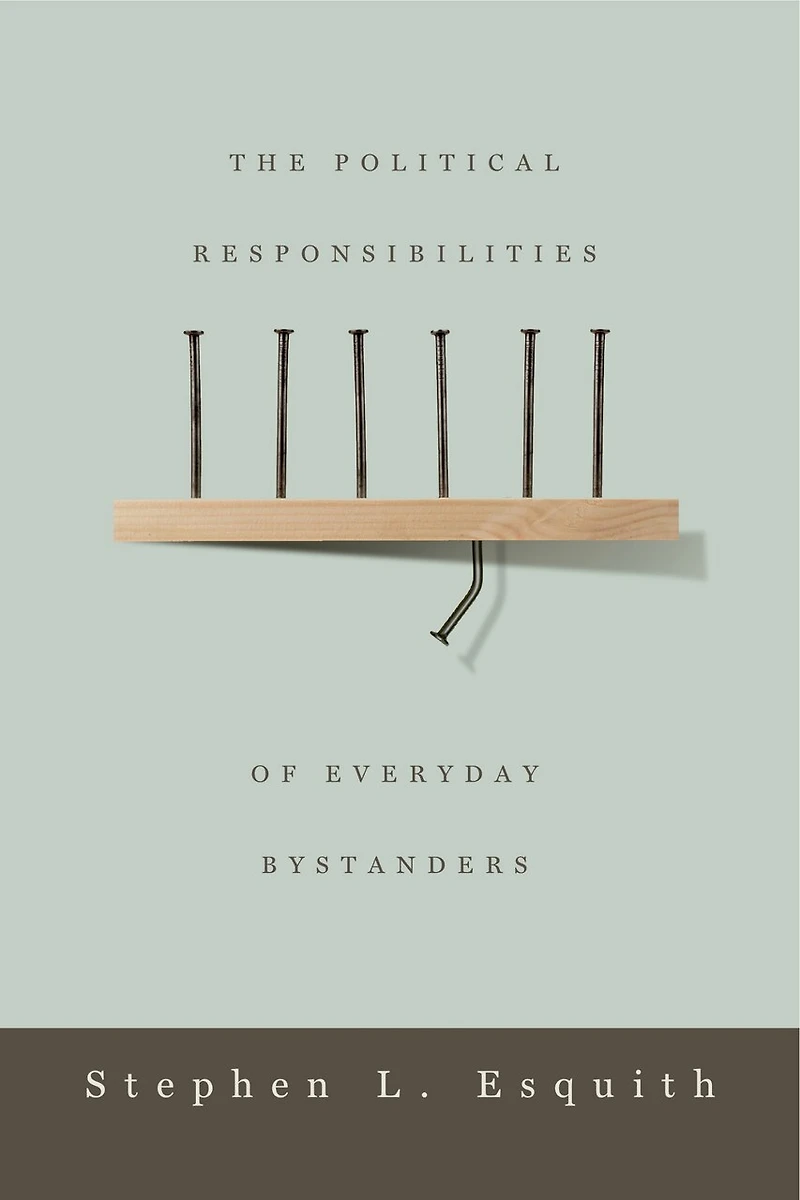
In a world where every person is exposed daily through the mass media to images of violence and suffering, as most dramatically exemplified in recent years by the ongoing tragedy in Darfur, the question naturally arises: What responsibilities do we, as bystanders to such social injustice, bear in holding accountable those who have created the conditions for this suffering? And what is our own complicity in the continuance of such violence—indeed, how do we contribute to and benefit from it? How is our responsibility as individuals connected to our collective responsibility as members of a society? Such questions underlie Stephen Esquith’s investigation in this book. For Esquith, being responsible means holding ourselves accountable as a people for the institutions we have built or tolerated and the choices we have made individually and collectively within these institutional constraints. It is thus more than just acknowledgment; it involves settling accounts as well as recognizing our own complicity even as bystanders.
In a world where every person is exposed daily through the mass media to images of violence and suffering, as most dramatically exemplified in recent years by the ongoing tragedy in Darfur, the question naturally arises: What responsibilities do we, as bystanders to such social injustice, bear in holding accountable those who have created the conditions for this suffering? And what is our own complicity in the continuance of such violence—indeed, how do we contribute to and benefit from it? How is our responsibility as individuals connected to our collective responsibility as members of a society? Such questions underlie Stephen Esquith’s investigation in this book. For Esquith, being responsible means holding ourselves accountable as a people for the institutions we have built or tolerated and the choices we have made individually and collectively within these institutional constraints. It is thus more than just acknowledgment; it involves settling accounts as well as recognizing our own complicity even as bystanders.
You May Also Like













More About Indigo at Erin Mills Town Centre
The largest book retailer in Canada also offers toys, music, home décor, gifts and lifestyle products. What's Inside...Books, Magazines, CD’s and DVD’s, Toys and Gifts, Home Accents, Electronics, Baby’s and Children’s Section, Bath and Body, Kitchen and Bedroom, Stationary Located outside in the exterior plaza.
5015 Glen Erin Dr, Mississauga, ON L5M 0R7, Canada
Find Indigo at Erin Mills Town Centre in Mississauga ON
Visit Indigo at Erin Mills Town Centre in Mississauga ON