

GIVE THE PERFECT GIFT
Erin Mills Town Centre Gift Cards are the perfect choice for your gift giving needs.Purchase gift cards at kiosks near the food court or centre court, at Guest Services, or click below to purchase online.PURCHASE HEREHome
The Politics of Presidential Impeachment
Indigo
Loading Inventory...
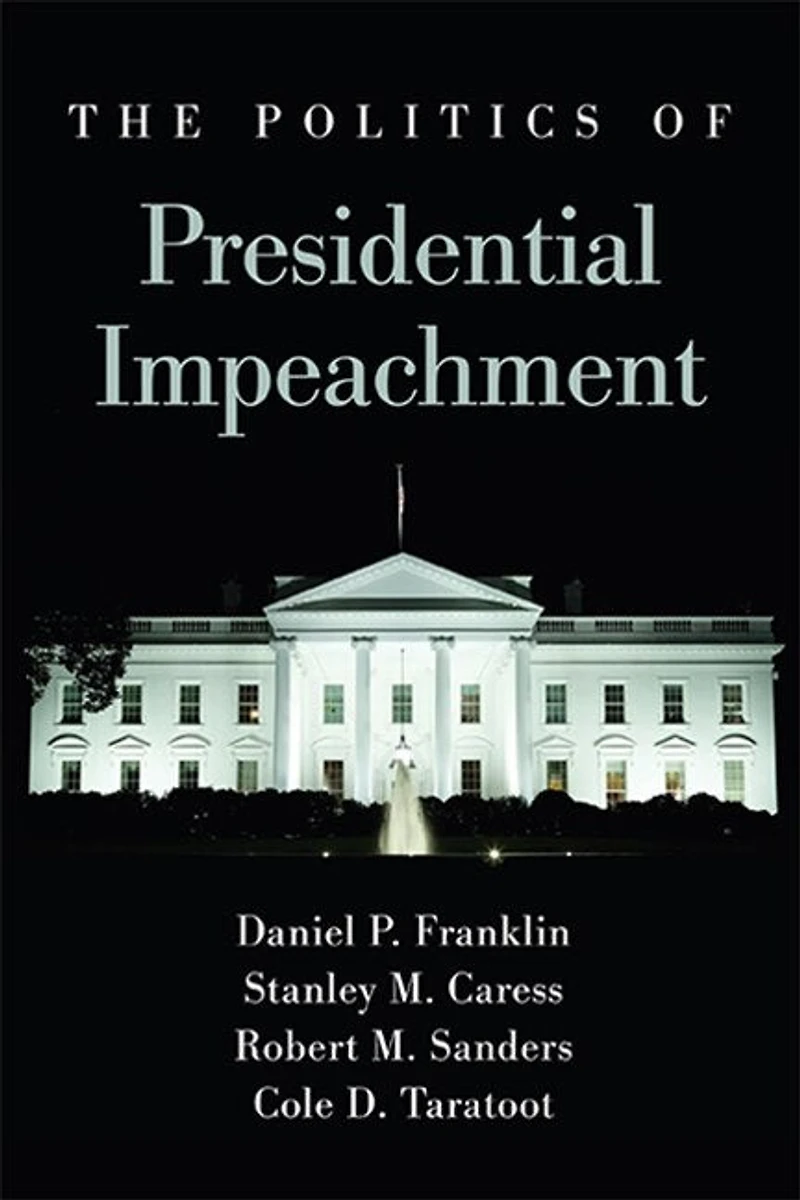
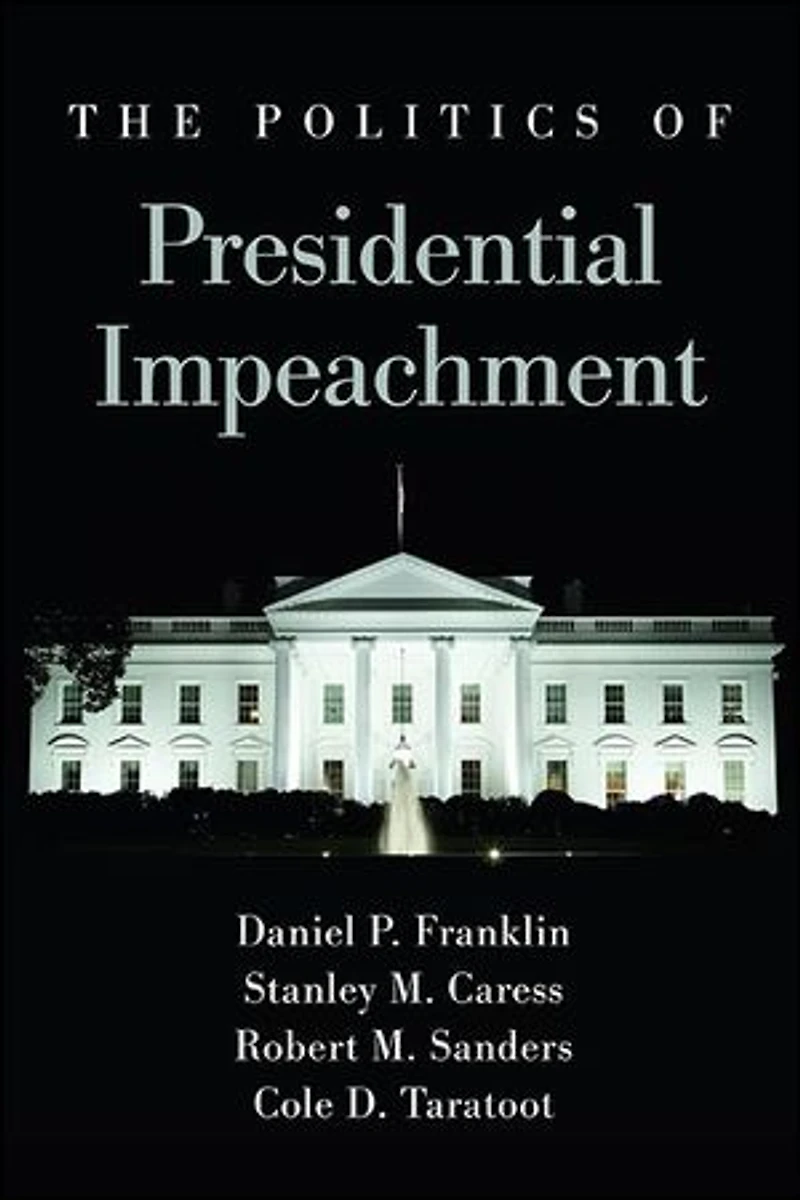
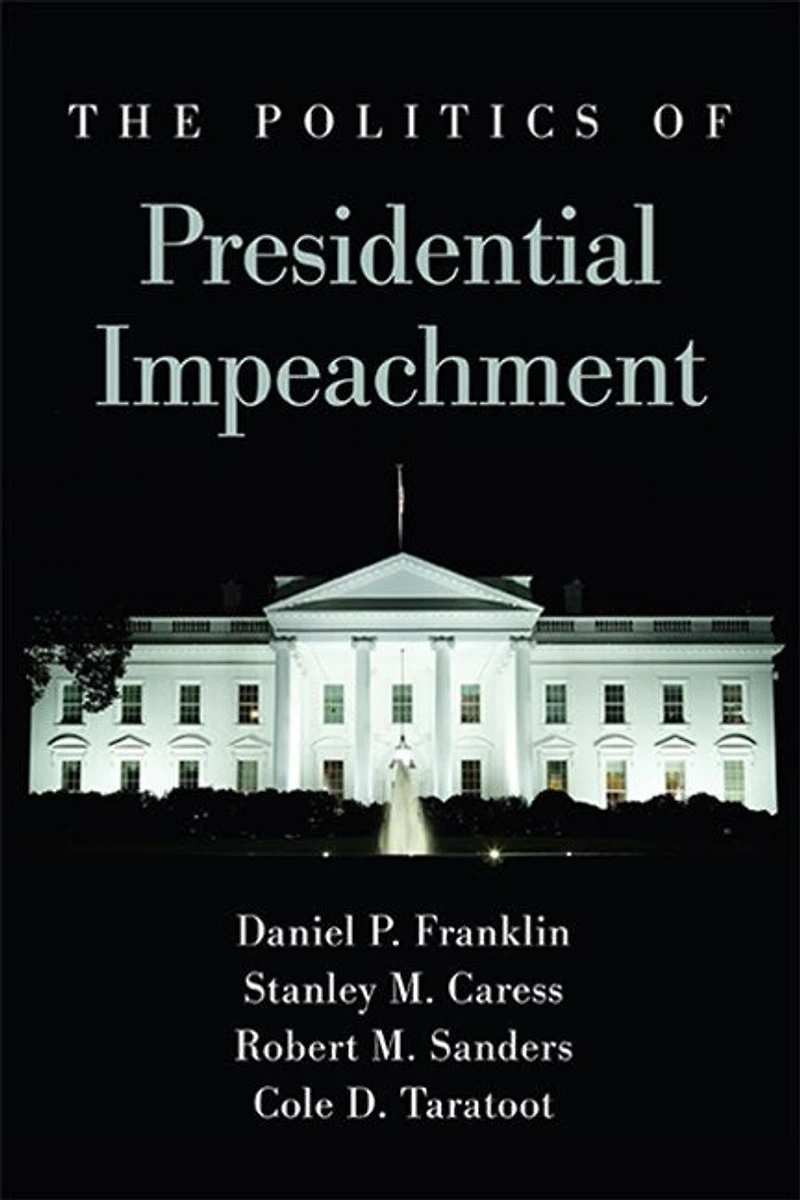
The Politics of Presidential Impeachment
Current price: $135.95

The Politics of Presidential Impeachment
Current price: $135.95
Loading Inventory...
Size: Hardcover
*Product information may vary - to confirm product availability, pricing, shipping and return information please contact Indigo
Argues that impeachment may no longer be an effective check on overreach by American presidents.
The Politics of Presidential Impeachment takes a distinctive and fresh look at the impeachment provision of the US Constitution. Instead of studying it from a legal-constitutional perspective, the authors use a social science approach incorporating extensive case studies and quantitative analysis. Focusing on four presidents who faced impeachment processes-Andrew Johnson, Richard Nixon, Ronald Reagan, and Bill Clinton-they examine the conditions under which presidential impeachment is likely to occur and argue that partisanship and the evolving relationship between Congress and the president determine its effectiveness as an institutional constraint. They find that, in our contemporary political context, the propensity of Congress to utilize the impeachment tool is more likely, but given the state of heightened partisanship, impeachment is less likely to result in removal of a president. The authors conclude that impeachment is no longer a credible threat and thus no longer an effective tool in the arsenal of checks and balances. The book also offers a postscript that discusses the impeachment of President Donald J. Trump.
Argues that impeachment may no longer be an effective check on overreach by American presidents.
The Politics of Presidential Impeachment takes a distinctive and fresh look at the impeachment provision of the US Constitution. Instead of studying it from a legal-constitutional perspective, the authors use a social science approach incorporating extensive case studies and quantitative analysis. Focusing on four presidents who faced impeachment processes-Andrew Johnson, Richard Nixon, Ronald Reagan, and Bill Clinton-they examine the conditions under which presidential impeachment is likely to occur and argue that partisanship and the evolving relationship between Congress and the president determine its effectiveness as an institutional constraint. They find that, in our contemporary political context, the propensity of Congress to utilize the impeachment tool is more likely, but given the state of heightened partisanship, impeachment is less likely to result in removal of a president. The authors conclude that impeachment is no longer a credible threat and thus no longer an effective tool in the arsenal of checks and balances. The book also offers a postscript that discusses the impeachment of President Donald J. Trump.
You May Also Like
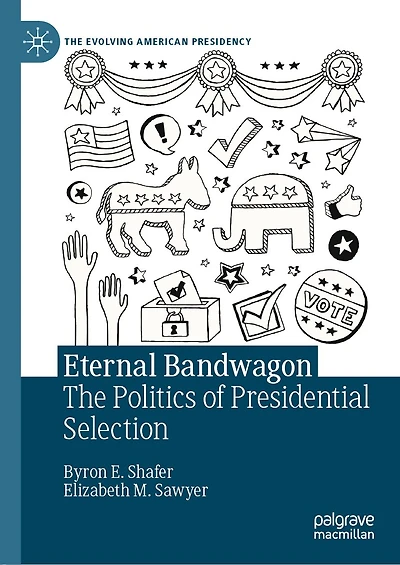












More About Indigo at Erin Mills Town Centre
The largest book retailer in Canada also offers toys, music, home décor, gifts and lifestyle products. What's Inside...Books, Magazines, CD’s and DVD’s, Toys and Gifts, Home Accents, Electronics, Baby’s and Children’s Section, Bath and Body, Kitchen and Bedroom, Stationary Located outside in the exterior plaza.
5015 Glen Erin Dr, Mississauga, ON L5M 0R7, Canada
Find Indigo at Erin Mills Town Centre in Mississauga ON
Visit Indigo at Erin Mills Town Centre in Mississauga ON