

GIVE THE PERFECT GIFT
Erin Mills Town Centre Gift Cards are the perfect choice for your gift giving needs.Purchase gift cards at kiosks near the food court or centre court, at Guest Services, or click below to purchase online.PURCHASE HEREHome
The Politics of Reading at the British Subscription Library, 1789-1832
Indigo
Loading Inventory...
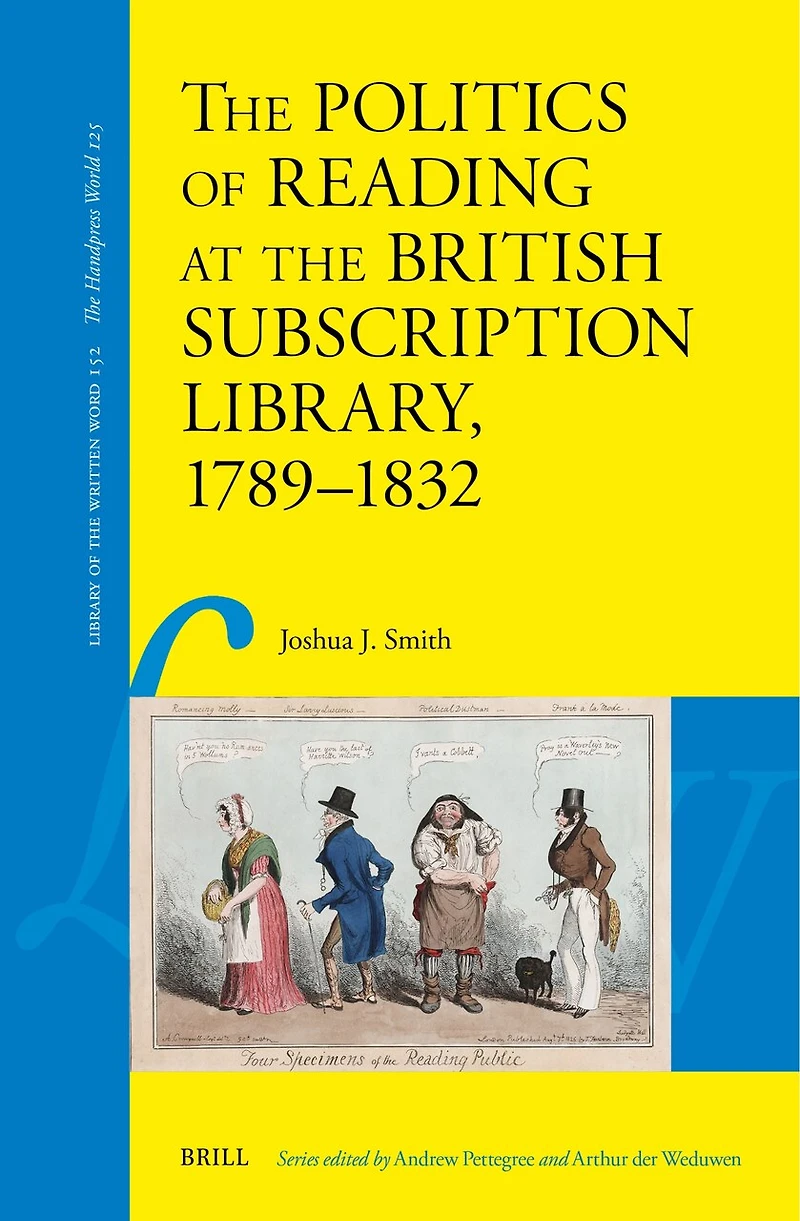
The Politics of Reading at the British Subscription Library, 1789-1832
Current price: $180.95

The Politics of Reading at the British Subscription Library, 1789-1832
Current price: $180.95
Loading Inventory...
Size: Hardcover
*Product information may vary - to confirm product availability, pricing, shipping and return information please contact Indigo
This book analyses political reading and the subscription library to examine the social, political and intellectual fabric of Georgian Britain between the French Revolution in 1789 and the passage of the first Reform Act in 1832. Combining methodological elements from political and reading history, this book uses extensive borrowing and administrative records, bibliometric data, correspondence, diaries, and electoral and associational records from archives across the Anglophone Atlantic. Two libraries, the Bristol Library Society and the Leighton Library, Dunblane, and their communities are examined in detail to demonstrate the political importance of an institution which was ubiquitous within Georgian society.
This book analyses political reading and the subscription library to examine the social, political and intellectual fabric of Georgian Britain between the French Revolution in 1789 and the passage of the first Reform Act in 1832. Combining methodological elements from political and reading history, this book uses extensive borrowing and administrative records, bibliometric data, correspondence, diaries, and electoral and associational records from archives across the Anglophone Atlantic. Two libraries, the Bristol Library Society and the Leighton Library, Dunblane, and their communities are examined in detail to demonstrate the political importance of an institution which was ubiquitous within Georgian society.
You May Also Like









More About Indigo at Erin Mills Town Centre
The largest book retailer in Canada also offers toys, music, home décor, gifts and lifestyle products. What's Inside...Books, Magazines, CD’s and DVD’s, Toys and Gifts, Home Accents, Electronics, Baby’s and Children’s Section, Bath and Body, Kitchen and Bedroom, Stationary Located outside in the exterior plaza.
5015 Glen Erin Dr, Mississauga, ON L5M 0R7, Canada
Find Indigo at Erin Mills Town Centre in Mississauga ON
Visit Indigo at Erin Mills Town Centre in Mississauga ON