

GIVE THE PERFECT GIFT
Erin Mills Town Centre Gift Cards are the perfect choice for your gift giving needs.Purchase gift cards at kiosks near the food court or centre court, at Guest Services, or click below to purchase online.PURCHASE HEREHome
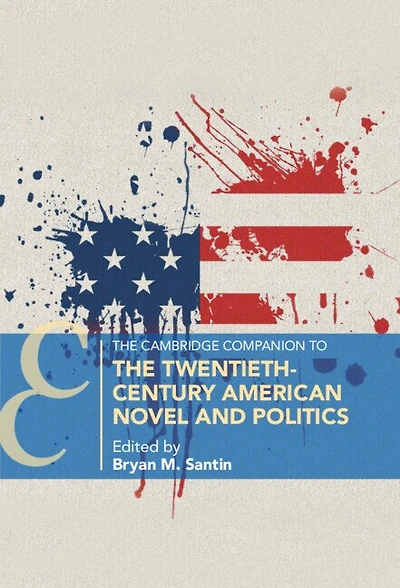
the Politics of Remembrance Novels Gunter Grass
Indigo
Loading Inventory...
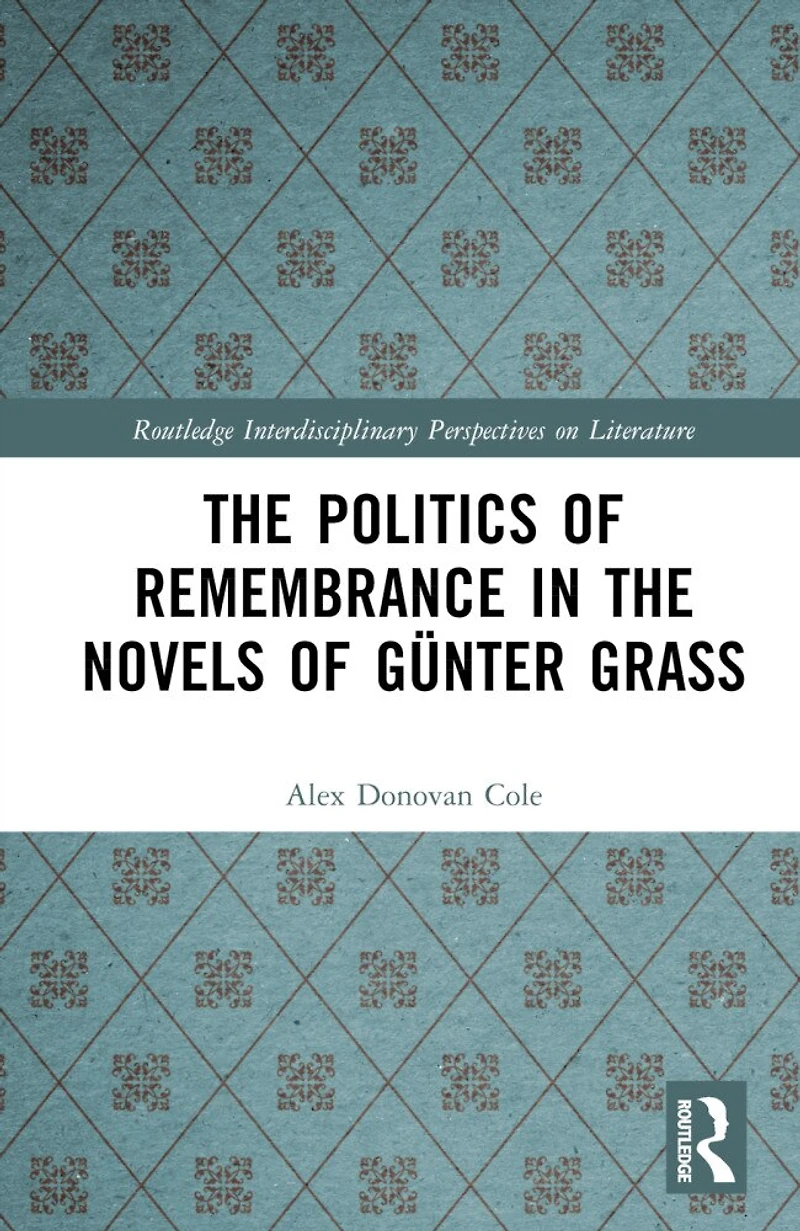
the Politics of Remembrance Novels Gunter Grass
Current price: $266.50

the Politics of Remembrance Novels Gunter Grass
Current price: $266.50
Loading Inventory...
Size: Hardcover
*Product information may vary - to confirm product availability, pricing, shipping and return information please contact Indigo
This manuscript argues for the importance of Günter Grass as a political thinker in addition to his status as a novelist and public intellectual, capable of forming ethical responses to contemporary issues like neoliberalism and place of the petit bourgeoisie in social life. I define Grass's trajectory as a thinker through his novels and speeches. Primarily, I draw attention to the role memory plays in Grass's thought: that his work represented an intellectual and aesthetic response to the role Nazism continued to play in West German politics in the post war era. To Grass, Nazism represented a resurgent threat unaddressed following the end of World War II. Later, Grass amended his concept of memory politics to address neoliberal capitalism, reiterating his radicalism and affirming the need for German society to resist the rise of extreme ideologies.
This manuscript argues for the importance of Günter Grass as a political thinker in addition to his status as a novelist and public intellectual, capable of forming ethical responses to contemporary issues like neoliberalism and place of the petit bourgeoisie in social life. I define Grass's trajectory as a thinker through his novels and speeches. Primarily, I draw attention to the role memory plays in Grass's thought: that his work represented an intellectual and aesthetic response to the role Nazism continued to play in West German politics in the post war era. To Grass, Nazism represented a resurgent threat unaddressed following the end of World War II. Later, Grass amended his concept of memory politics to address neoliberal capitalism, reiterating his radicalism and affirming the need for German society to resist the rise of extreme ideologies.
You May Also Like



![Leaves of Grass [By W. Whitman].](https://cdn.mall.adeptmind.ai/https%253A%252F%252Fcdn.shopify.com%252Fs%252Ffiles%252F1%252F0655%252F8980%252F5233%252Ffiles%252F1_d3c0482d-c6b1-4805-92c1-f83a820a51e0.jpg_medium.webp)








More About Indigo at Erin Mills Town Centre
The largest book retailer in Canada also offers toys, music, home décor, gifts and lifestyle products. What's Inside...Books, Magazines, CD’s and DVD’s, Toys and Gifts, Home Accents, Electronics, Baby’s and Children’s Section, Bath and Body, Kitchen and Bedroom, Stationary Located outside in the exterior plaza.
5015 Glen Erin Dr, Mississauga, ON L5M 0R7, Canada
Find Indigo at Erin Mills Town Centre in Mississauga ON
Visit Indigo at Erin Mills Town Centre in Mississauga ON