

GIVE THE PERFECT GIFT
Erin Mills Town Centre Gift Cards are the perfect choice for your gift giving needs.Purchase gift cards at kiosks near the food court or centre court, at Guest Services, or click below to purchase online.PURCHASE HEREHome
The Postwar Fleet: Volume 2, 1950-1957
Indigo
Loading Inventory...
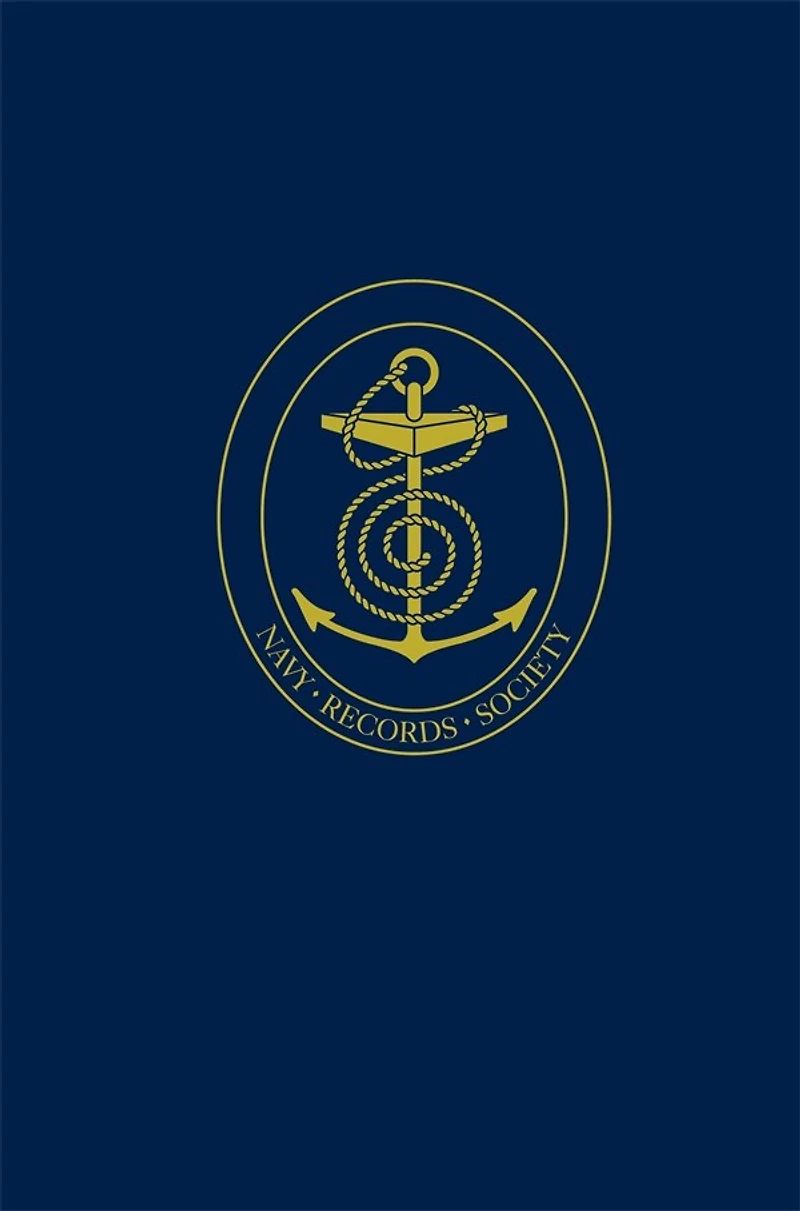
The Postwar Fleet: Volume 2, 1950-1957
Current price: $235.80

The Postwar Fleet: Volume 2, 1950-1957
Current price: $235.80
Loading Inventory...
Size: Hardcover
*Product information may vary - to confirm product availability, pricing, shipping and return information please contact Indigo
A revealing documentary account of how Britain struggled to shape a modern navy amid Cold War pressures, rapid technological change and relentless financial constraint.
The Postwar Fleet Vol 2 reproduces key documents relating to the planning of Britain's postwar Navy from the period 1950-1957, as the Government tried to reconcile worldwide requirements with severe financial constraints. It begins in June 1950 with the outbreak of the Korean War, which marks the end-point of Volume 1. This event overturned many previous planning assumptions and initiated a short-lived programme of rearmament. Succeeding years saw an almost annual cycle of what were, in effect, fresh defence reviews as the Ministry of Defence and the Admiralty tried to match resources and force levels to continuing commitments. Planners also had to respond to the increasing influence of technological change, especially nuclear weapons, computers and guided missiles.
The volume concludes with the publication of a major Defence Review in April 1957 which marked the beginning of a new, post-Suez Operation, phase in British defence policy.
A revealing documentary account of how Britain struggled to shape a modern navy amid Cold War pressures, rapid technological change and relentless financial constraint.
The Postwar Fleet Vol 2 reproduces key documents relating to the planning of Britain's postwar Navy from the period 1950-1957, as the Government tried to reconcile worldwide requirements with severe financial constraints. It begins in June 1950 with the outbreak of the Korean War, which marks the end-point of Volume 1. This event overturned many previous planning assumptions and initiated a short-lived programme of rearmament. Succeeding years saw an almost annual cycle of what were, in effect, fresh defence reviews as the Ministry of Defence and the Admiralty tried to match resources and force levels to continuing commitments. Planners also had to respond to the increasing influence of technological change, especially nuclear weapons, computers and guided missiles.
The volume concludes with the publication of a major Defence Review in April 1957 which marked the beginning of a new, post-Suez Operation, phase in British defence policy.
You May Also Like










More About Indigo at Erin Mills Town Centre
The largest book retailer in Canada also offers toys, music, home décor, gifts and lifestyle products. What's Inside...Books, Magazines, CD’s and DVD’s, Toys and Gifts, Home Accents, Electronics, Baby’s and Children’s Section, Bath and Body, Kitchen and Bedroom, Stationary Located outside in the exterior plaza.
5015 Glen Erin Dr, Mississauga, ON L5M 0R7, Canada
Find Indigo at Erin Mills Town Centre in Mississauga ON
Visit Indigo at Erin Mills Town Centre in Mississauga ON