

GIVE THE PERFECT GIFT
Erin Mills Town Centre Gift Cards are the perfect choice for your gift giving needs.Purchase gift cards at kiosks near the food court or centre court, at Guest Services, or click below to purchase online.PURCHASE HEREHome
the Prince of Slavers: Humphry Morice and Transformation Britain's Transatlantic Slave Trade, 1698-1732
Indigo
Loading Inventory...
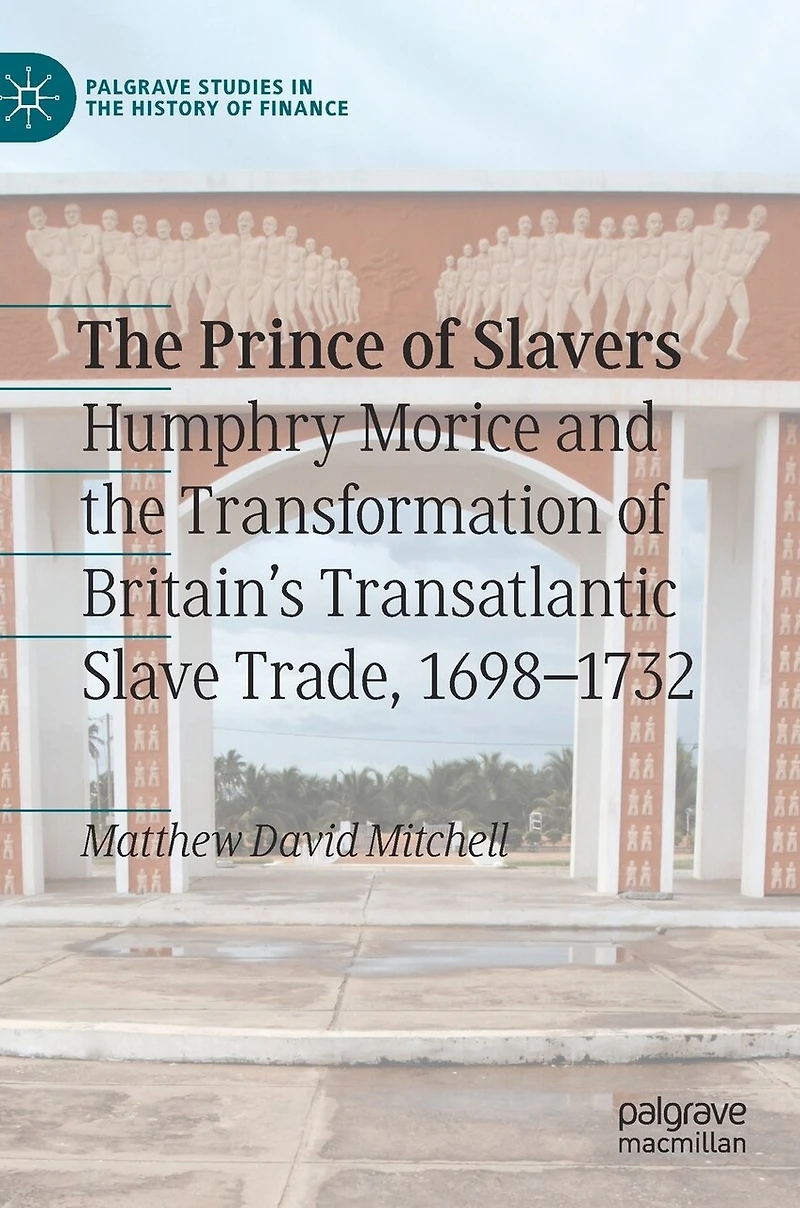
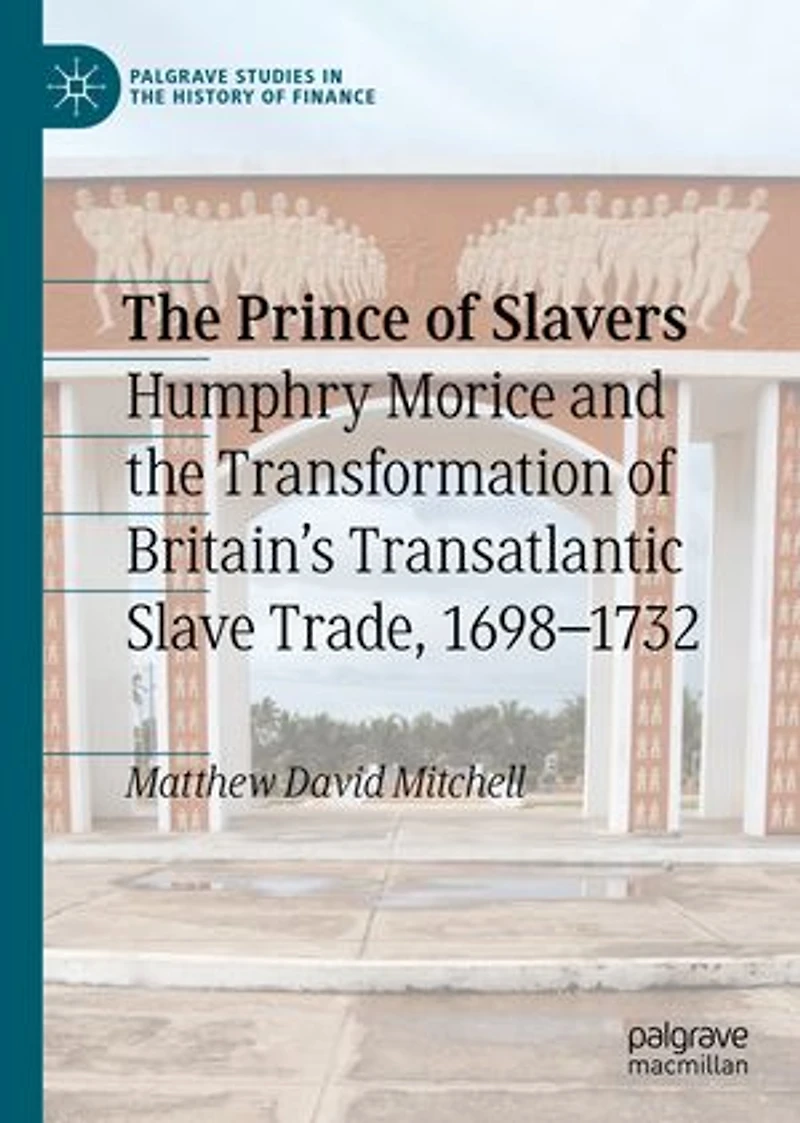
the Prince of Slavers: Humphry Morice and Transformation Britain's Transatlantic Slave Trade, 1698-1732
Current price: $189.95

the Prince of Slavers: Humphry Morice and Transformation Britain's Transatlantic Slave Trade, 1698-1732
Current price: $189.95
Loading Inventory...
Size: Hardcover
*Product information may vary - to confirm product availability, pricing, shipping and return information please contact Indigo
Much scholarship on the British transatlantic slave trade has focused on its peak period in the late eighteenth century and its abolition in the early nineteenth; or on the Royal African Company (RAC), which in 1698 lost the monopoly it had previously enjoyed over the trade. During the early eighteenth-century transition between these two better-studied periods, Humphry Morice was by far the most prolific of the British slave traders. He bears the guilt for trafficking over 25,000 enslaved Africans, and his voluminous surviving papers offer intriguing insights into how he did it. Morice's strategy was well adapted for managing the special risks of the trade, and for duplicating, at lower cost, the RAC's capabilities for gathering information on what African slave-sellers wanted in exchange. Still, Morice's transatlantic operations were expensive enough to drive him to a series of increasingly dubious financial manoeuvres throughout the 1720s, and eventually to large-scale fraud in 1731 from the Bank of England, of which he was a longtime director. He died later that year, probably by suicide, and with his estate hopelessly indebted to the Bank, his family, and his ship captains. Nonetheless, his astonishing rise and fall marked a turning point in the development of the brutal transatlantic trade in enslaved Africans.
Much scholarship on the British transatlantic slave trade has focused on its peak period in the late eighteenth century and its abolition in the early nineteenth; or on the Royal African Company (RAC), which in 1698 lost the monopoly it had previously enjoyed over the trade. During the early eighteenth-century transition between these two better-studied periods, Humphry Morice was by far the most prolific of the British slave traders. He bears the guilt for trafficking over 25,000 enslaved Africans, and his voluminous surviving papers offer intriguing insights into how he did it. Morice's strategy was well adapted for managing the special risks of the trade, and for duplicating, at lower cost, the RAC's capabilities for gathering information on what African slave-sellers wanted in exchange. Still, Morice's transatlantic operations were expensive enough to drive him to a series of increasingly dubious financial manoeuvres throughout the 1720s, and eventually to large-scale fraud in 1731 from the Bank of England, of which he was a longtime director. He died later that year, probably by suicide, and with his estate hopelessly indebted to the Bank, his family, and his ship captains. Nonetheless, his astonishing rise and fall marked a turning point in the development of the brutal transatlantic trade in enslaved Africans.
You May Also Like









More About Indigo at Erin Mills Town Centre
The largest book retailer in Canada also offers toys, music, home décor, gifts and lifestyle products. What's Inside...Books, Magazines, CD’s and DVD’s, Toys and Gifts, Home Accents, Electronics, Baby’s and Children’s Section, Bath and Body, Kitchen and Bedroom, Stationary Located outside in the exterior plaza.
5015 Glen Erin Dr, Mississauga, ON L5M 0R7, Canada
Find Indigo at Erin Mills Town Centre in Mississauga ON
Visit Indigo at Erin Mills Town Centre in Mississauga ON