

GIVE THE PERFECT GIFT
Erin Mills Town Centre Gift Cards are the perfect choice for your gift giving needs.Purchase gift cards at kiosks near the food court or centre court, at Guest Services, or click below to purchase online.PURCHASE HEREHome
The Problem of God in David Hume
Indigo
Loading Inventory...
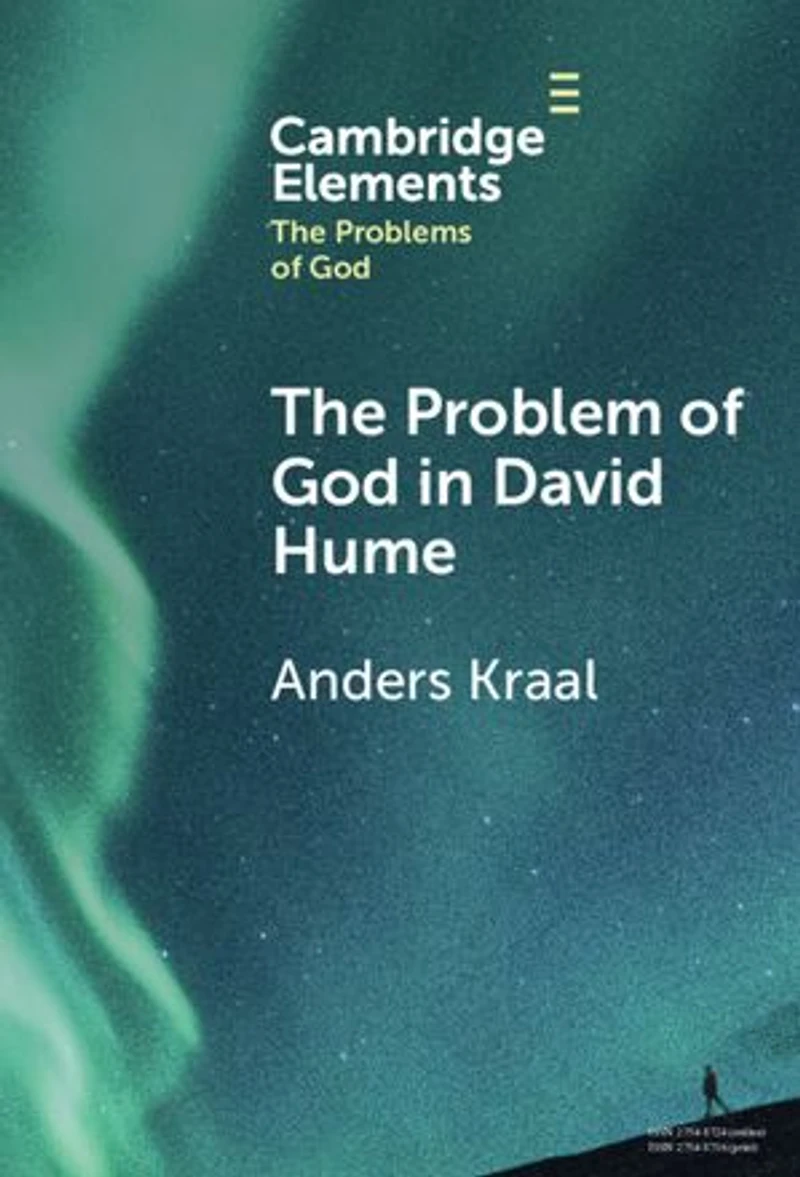
The Problem of God in David Hume
Current price: $23.19
Original price: $28.95

The Problem of God in David Hume
Current price: $23.19
Original price: $28.95
Loading Inventory...
Size: Kobo eBook
*Product information may vary - to confirm product availability, pricing, shipping and return information please contact Indigo
David Hume (1711-1776) is one of the foremost critics of attempts to provide rational arguments in support of traditional Christian theism in Western philosophy. In this Element, the authors examine Hume's chief objections to the cosmological argument, the design argument, and the argument from miracles, along with some main responses to these objections. The authors also examine Hume's seminal version of the argument from evil, which is deployed in an effort to show that traditional Christian theism is lacking in coherent meaning. Drawing on recent developments in Hume scholarship according to which Hume's ultimate philosophical aim was to further an anti-Christian agenda, an attempt is made to situate Hume's writings on God and religion in an unfolding narrative that is impacted throughout by the trenchant religious criticisms of Hume's chief philosophical predecessor, Thomas Hobbes.
David Hume (1711-1776) is one of the foremost critics of attempts to provide rational arguments in support of traditional Christian theism in Western philosophy. In this Element, the authors examine Hume's chief objections to the cosmological argument, the design argument, and the argument from miracles, along with some main responses to these objections. The authors also examine Hume's seminal version of the argument from evil, which is deployed in an effort to show that traditional Christian theism is lacking in coherent meaning. Drawing on recent developments in Hume scholarship according to which Hume's ultimate philosophical aim was to further an anti-Christian agenda, an attempt is made to situate Hume's writings on God and religion in an unfolding narrative that is impacted throughout by the trenchant religious criticisms of Hume's chief philosophical predecessor, Thomas Hobbes.
You May Also Like







More About Indigo at Erin Mills Town Centre
The largest book retailer in Canada also offers toys, music, home décor, gifts and lifestyle products. What's Inside...Books, Magazines, CD’s and DVD’s, Toys and Gifts, Home Accents, Electronics, Baby’s and Children’s Section, Bath and Body, Kitchen and Bedroom, Stationary Located outside in the exterior plaza.
5015 Glen Erin Dr, Mississauga, ON L5M 0R7, Canada
Find Indigo at Erin Mills Town Centre in Mississauga ON
Visit Indigo at Erin Mills Town Centre in Mississauga ON