

GIVE THE PERFECT GIFT
Erin Mills Town Centre Gift Cards are the perfect choice for your gift giving needs.Purchase gift cards at kiosks near the food court or centre court, at Guest Services, or click below to purchase online.PURCHASE HEREHome
The Problem of Nutrition: Experimental Science, Public Health and Economy in Europe 1914-1945
Indigo
Loading Inventory...
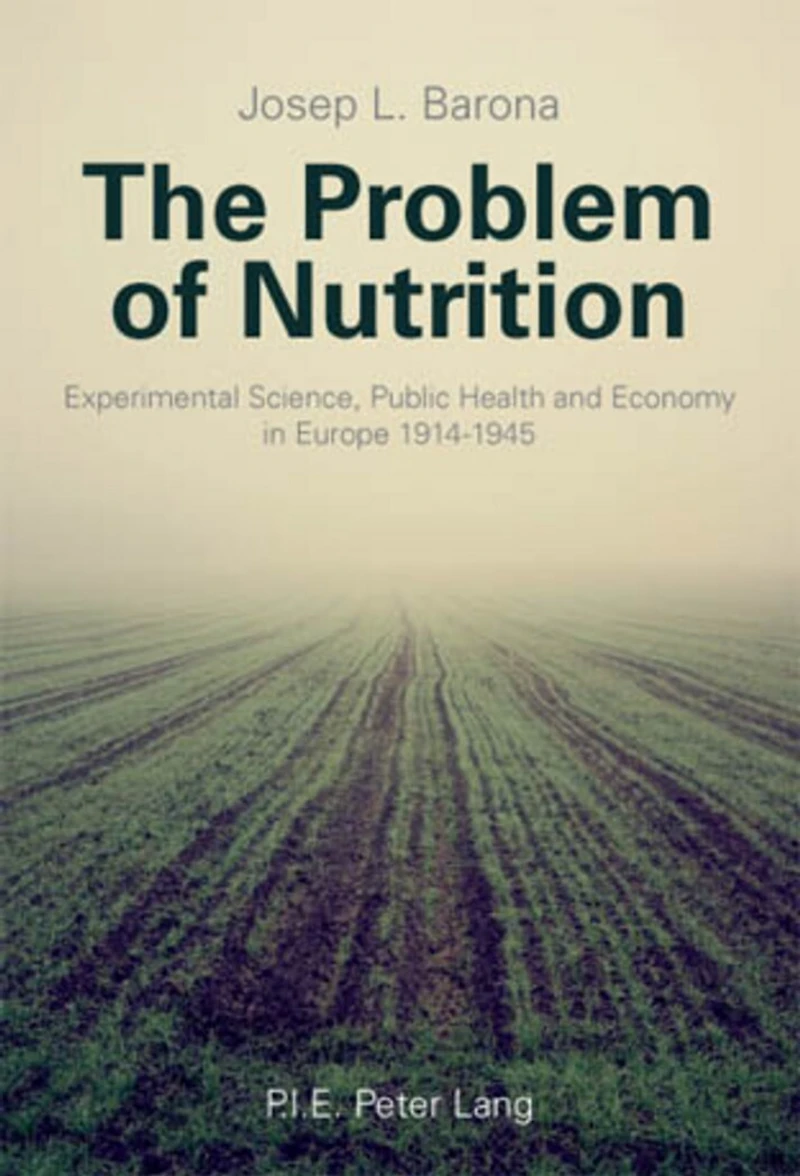
The Problem of Nutrition: Experimental Science, Public Health and Economy in Europe 1914-1945
Current price: $87.25

The Problem of Nutrition: Experimental Science, Public Health and Economy in Europe 1914-1945
Current price: $87.25
Loading Inventory...
Size: Paperback
*Product information may vary - to confirm product availability, pricing, shipping and return information please contact Indigo
The first decades of the 20 th century were marked by a crisis. The impact of the Great War, the rise of the workers’ revolutionary movement and the National Socialist expansion as well as the disaster of the 1929 crash and the great depression of the 1930s created a landscape of tension, radicalism and political instability. In this context, nutrition emerges as an excellent ground from which to explore the genesis of experimental knowledge, the social interests involved, and the transfer of knowledge and practices to public health, the economy, trade and politics. The exceptional confluence of all factors influencing the interwar period contributed to building the problem of nutrition.
This book offers a wide perspective including international agencies committed to a global approach to define nutritional problems, agricultural reforms, surveys in different countries and rural areas, methodological agreements on nutritional standards, the main trends of experimental research, the dreadful impact of the war and some experiments developed in internment camps. The author examines nutrition as a cornerstone to show interactions between science, politics, economy and public health.
The first decades of the 20 th century were marked by a crisis. The impact of the Great War, the rise of the workers’ revolutionary movement and the National Socialist expansion as well as the disaster of the 1929 crash and the great depression of the 1930s created a landscape of tension, radicalism and political instability. In this context, nutrition emerges as an excellent ground from which to explore the genesis of experimental knowledge, the social interests involved, and the transfer of knowledge and practices to public health, the economy, trade and politics. The exceptional confluence of all factors influencing the interwar period contributed to building the problem of nutrition.
This book offers a wide perspective including international agencies committed to a global approach to define nutritional problems, agricultural reforms, surveys in different countries and rural areas, methodological agreements on nutritional standards, the main trends of experimental research, the dreadful impact of the war and some experiments developed in internment camps. The author examines nutrition as a cornerstone to show interactions between science, politics, economy and public health.
You May Also Like










More About Indigo at Erin Mills Town Centre
The largest book retailer in Canada also offers toys, music, home décor, gifts and lifestyle products. What's Inside...Books, Magazines, CD’s and DVD’s, Toys and Gifts, Home Accents, Electronics, Baby’s and Children’s Section, Bath and Body, Kitchen and Bedroom, Stationary Located outside in the exterior plaza.
5015 Glen Erin Dr, Mississauga, ON L5M 0R7, Canada
Find Indigo at Erin Mills Town Centre in Mississauga ON
Visit Indigo at Erin Mills Town Centre in Mississauga ON