

GIVE THE PERFECT GIFT
Erin Mills Town Centre Gift Cards are the perfect choice for your gift giving needs.Purchase gift cards at kiosks near the food court or centre court, at Guest Services, or click below to purchase online.PURCHASE HEREHome
The Problems of Viewing Performance: Epistemology and Other Minds
Indigo
Loading Inventory...

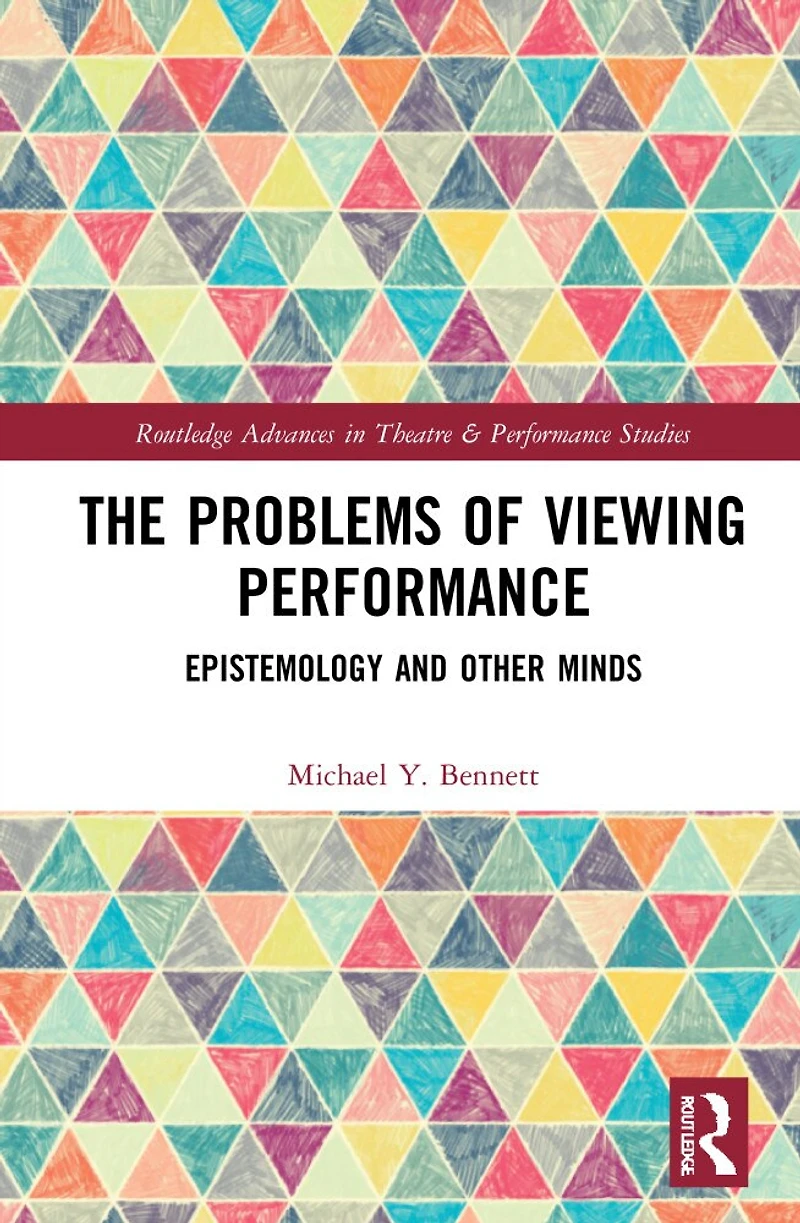
The Problems of Viewing Performance: Epistemology and Other Minds
Current price: $296.50

The Problems of Viewing Performance: Epistemology and Other Minds
Current price: $296.50
Loading Inventory...
Size: Hardcover
*Product information may vary - to confirm product availability, pricing, shipping and return information please contact Indigo
The Problems of Viewing Performance challenges long-held assumptions by considering the ways in which knowledge is received by more than a single audience member, and breaks new ground by, counterintuitively, claiming that viewing performance is not a shared experience. Given that viewers come to each performance with differing amounts and types of knowledge, they each make different assumptions as to how the performance will unfold. Often modified by other viewers and often after the performance event, knowledge of performance is made more accurate by superimposing the experiences and justified beliefs of multiple viewers. These differences in the viewing experience make knowledge surrounding a performance intersubjective. Ultimately, this book explains the how and the why audience members have different viewing experiences. The Problems of Viewing Performance is important reading for theatre and performance students, scholars and practitioners, as it unpacks the dynamics of spectatorship and explores how audiences work.
The Problems of Viewing Performance challenges long-held assumptions by considering the ways in which knowledge is received by more than a single audience member, and breaks new ground by, counterintuitively, claiming that viewing performance is not a shared experience. Given that viewers come to each performance with differing amounts and types of knowledge, they each make different assumptions as to how the performance will unfold. Often modified by other viewers and often after the performance event, knowledge of performance is made more accurate by superimposing the experiences and justified beliefs of multiple viewers. These differences in the viewing experience make knowledge surrounding a performance intersubjective. Ultimately, this book explains the how and the why audience members have different viewing experiences. The Problems of Viewing Performance is important reading for theatre and performance students, scholars and practitioners, as it unpacks the dynamics of spectatorship and explores how audiences work.
You May Also Like
















More About Indigo at Erin Mills Town Centre
The largest book retailer in Canada also offers toys, music, home décor, gifts and lifestyle products. What's Inside...Books, Magazines, CD’s and DVD’s, Toys and Gifts, Home Accents, Electronics, Baby’s and Children’s Section, Bath and Body, Kitchen and Bedroom, Stationary Located outside in the exterior plaza.
5015 Glen Erin Dr, Mississauga, ON L5M 0R7, Canada
Find Indigo at Erin Mills Town Centre in Mississauga ON
Visit Indigo at Erin Mills Town Centre in Mississauga ON