

GIVE THE PERFECT GIFT
Erin Mills Town Centre Gift Cards are the perfect choice for your gift giving needs.Purchase gift cards at kiosks near the food court or centre court, at Guest Services, or click below to purchase online.PURCHASE HEREHome
the Psychology and Politics of Collective: Groups, Crowds Mass Identifications
Indigo
Loading Inventory...
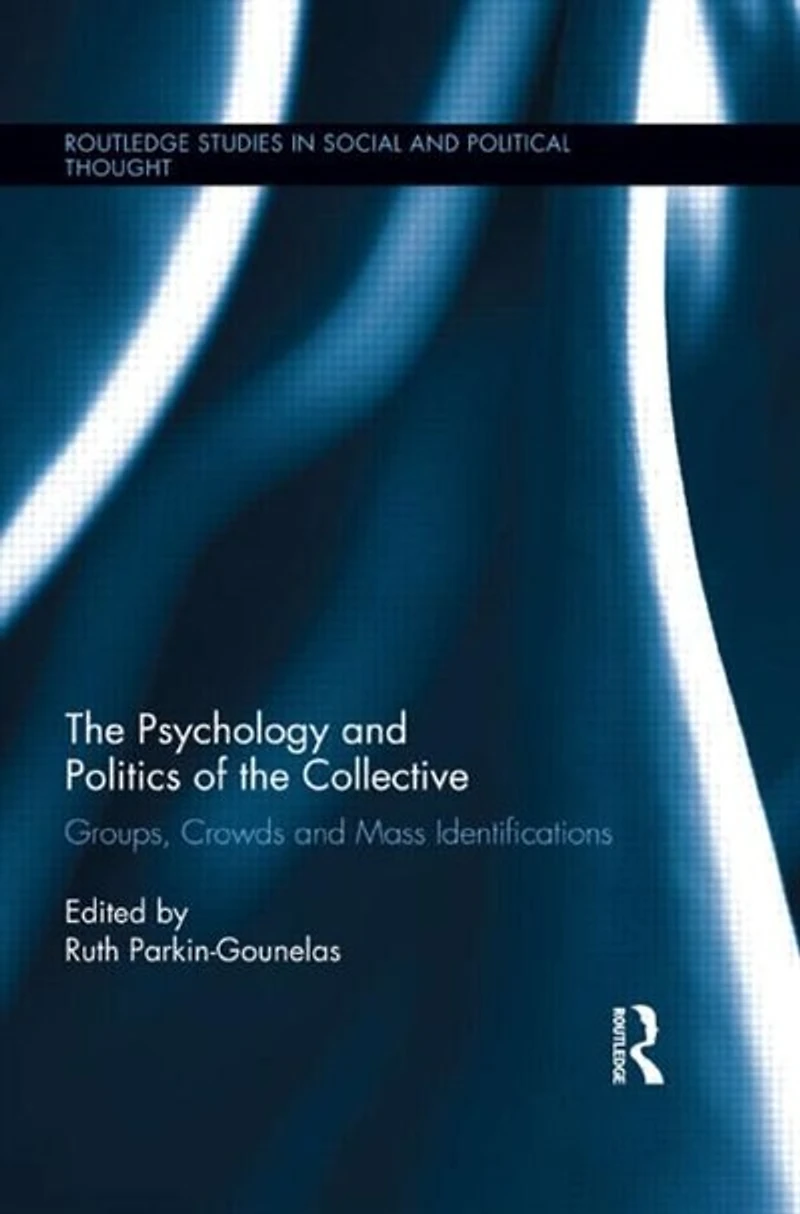
the Psychology and Politics of Collective: Groups, Crowds Mass Identifications
Current price: $333.50

the Psychology and Politics of Collective: Groups, Crowds Mass Identifications
Current price: $333.50
Loading Inventory...
Size: Hardcover
*Product information may vary - to confirm product availability, pricing, shipping and return information please contact Indigo
What are the psychological factors in operation when we form groups or crowds, and how are these affected by socio-historical circumstances? History offers endless examples of different forms of human collectivity, both private and public, small-scale and large: from the primal horde to the modern nuclear family, from the Athenian polis to virtual internet communities. Within the context of shifting social bonds in global culture, this book brings together debates on the left from political philosophy, psychoanalysis, social psychology and media and cultural studies to explore the logic of the formation of collective identities from a new theoretical perspective. Challenging liberal-capitalist models of individualism, as well as postmodern identity politics, analysts here turn to Continental philosophy (Lacan, Derrida, Agamben, Laclau, Badiou, among others) in order to re-think collectivity in relation to questions of agency, alterity, affect, sovereignty, the national imaginary and the biopolitical. In the aftermath of the great mass movements of the twentieth century (Marxist-Leninism, Mao), which resulted in bureaucratic submission and the cult of the State, the fate of our collective identity today raises urgent questions about the future of collaborative activity, the role of mediating institutions in shaping mass psychology, what is at stake in a radical democracy, and what happens in a crowd.
What are the psychological factors in operation when we form groups or crowds, and how are these affected by socio-historical circumstances? History offers endless examples of different forms of human collectivity, both private and public, small-scale and large: from the primal horde to the modern nuclear family, from the Athenian polis to virtual internet communities. Within the context of shifting social bonds in global culture, this book brings together debates on the left from political philosophy, psychoanalysis, social psychology and media and cultural studies to explore the logic of the formation of collective identities from a new theoretical perspective. Challenging liberal-capitalist models of individualism, as well as postmodern identity politics, analysts here turn to Continental philosophy (Lacan, Derrida, Agamben, Laclau, Badiou, among others) in order to re-think collectivity in relation to questions of agency, alterity, affect, sovereignty, the national imaginary and the biopolitical. In the aftermath of the great mass movements of the twentieth century (Marxist-Leninism, Mao), which resulted in bureaucratic submission and the cult of the State, the fate of our collective identity today raises urgent questions about the future of collaborative activity, the role of mediating institutions in shaping mass psychology, what is at stake in a radical democracy, and what happens in a crowd.
You May Also Like








More About Indigo at Erin Mills Town Centre
The largest book retailer in Canada also offers toys, music, home décor, gifts and lifestyle products. What's Inside...Books, Magazines, CD’s and DVD’s, Toys and Gifts, Home Accents, Electronics, Baby’s and Children’s Section, Bath and Body, Kitchen and Bedroom, Stationary Located outside in the exterior plaza.
5015 Glen Erin Dr, Mississauga, ON L5M 0R7, Canada
Find Indigo at Erin Mills Town Centre in Mississauga ON
Visit Indigo at Erin Mills Town Centre in Mississauga ON