

GIVE THE PERFECT GIFT
Erin Mills Town Centre Gift Cards are the perfect choice for your gift giving needs.Purchase gift cards at kiosks near the food court or centre court, at Guest Services, or click below to purchase online.PURCHASE HEREHome
The Psychology of Hallucinations
Indigo
Loading Inventory...

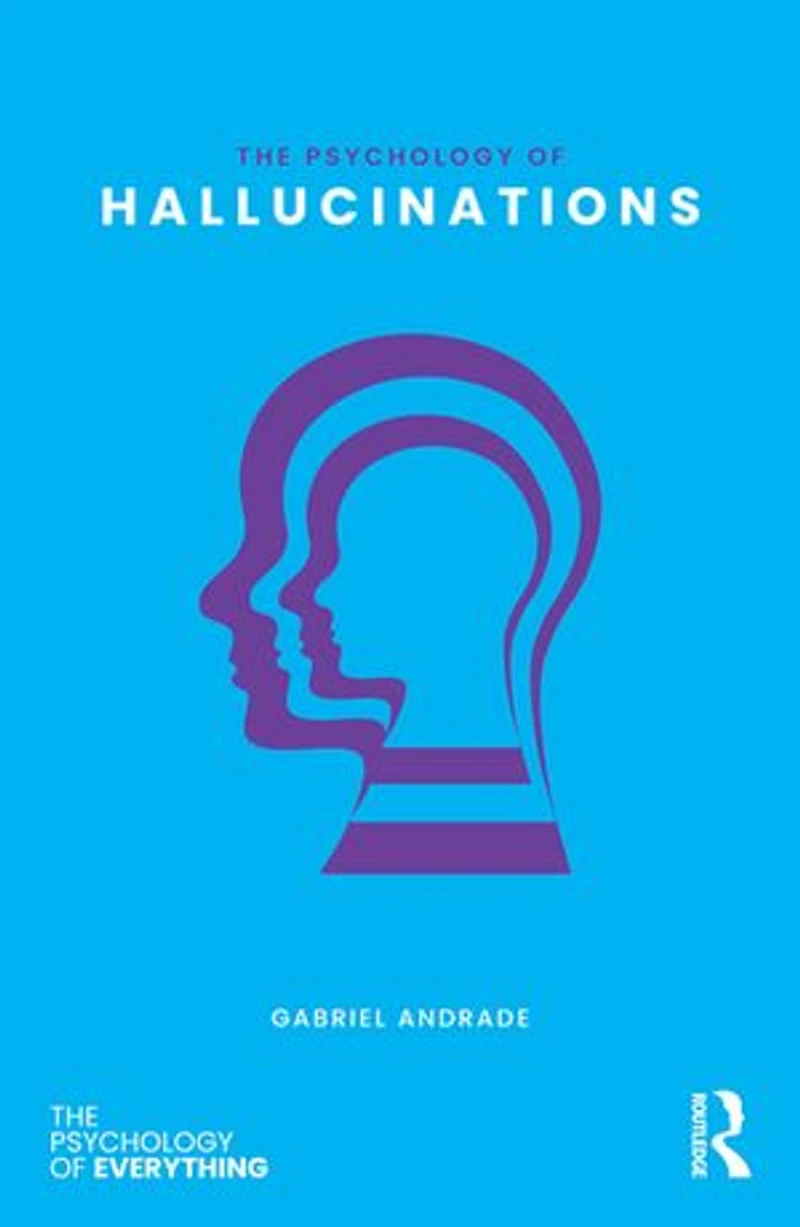

The Psychology of Hallucinations
Current price: $281.50

The Psychology of Hallucinations
Current price: $281.50
Loading Inventory...
Size: Hardcover
*Product information may vary - to confirm product availability, pricing, shipping and return information please contact Indigo
What triggers a hallucination? Can our lifestyles impact the likelihood of auditory or visual hallucinations? Can hallucinations be a part of normal cognition? The Psychology of Hallucinations takes readers on a journey through visual and auditory hallucinations-perceptions experienced in the absence of external stimuli yet felt with compelling realism. It explores the ways hallucinations have been embraced throughout history by some cultures whilst also looking at how they have become a subject of scepticism and fear. The book adopts a compassionate look at the clinical and psychiatric implications of hallucinations alongside lifestyle factors such as sleep deprivation and substance use. Whether they represent a doorway to creative revelation, markers of struggle or subjects of philosophical inquiry, hallucinations deserve exploration that is curious, compassionate and clear-eyed. This volume provides just that-a guide for anyone seeking to understand, rather than simply fear, the mysteries at the borders of the mind.
What triggers a hallucination? Can our lifestyles impact the likelihood of auditory or visual hallucinations? Can hallucinations be a part of normal cognition? The Psychology of Hallucinations takes readers on a journey through visual and auditory hallucinations-perceptions experienced in the absence of external stimuli yet felt with compelling realism. It explores the ways hallucinations have been embraced throughout history by some cultures whilst also looking at how they have become a subject of scepticism and fear. The book adopts a compassionate look at the clinical and psychiatric implications of hallucinations alongside lifestyle factors such as sleep deprivation and substance use. Whether they represent a doorway to creative revelation, markers of struggle or subjects of philosophical inquiry, hallucinations deserve exploration that is curious, compassionate and clear-eyed. This volume provides just that-a guide for anyone seeking to understand, rather than simply fear, the mysteries at the borders of the mind.
You May Also Like










More About Indigo at Erin Mills Town Centre
The largest book retailer in Canada also offers toys, music, home décor, gifts and lifestyle products. What's Inside...Books, Magazines, CD’s and DVD’s, Toys and Gifts, Home Accents, Electronics, Baby’s and Children’s Section, Bath and Body, Kitchen and Bedroom, Stationary Located outside in the exterior plaza.
5015 Glen Erin Dr, Mississauga, ON L5M 0R7, Canada
Find Indigo at Erin Mills Town Centre in Mississauga ON
Visit Indigo at Erin Mills Town Centre in Mississauga ON