

GIVE THE PERFECT GIFT
Erin Mills Town Centre Gift Cards are the perfect choice for your gift giving needs.Purchase gift cards at kiosks near the food court or centre court, at Guest Services, or click below to purchase online.PURCHASE HEREHome
The Psychology of Remote Viewing
Indigo
Loading Inventory...
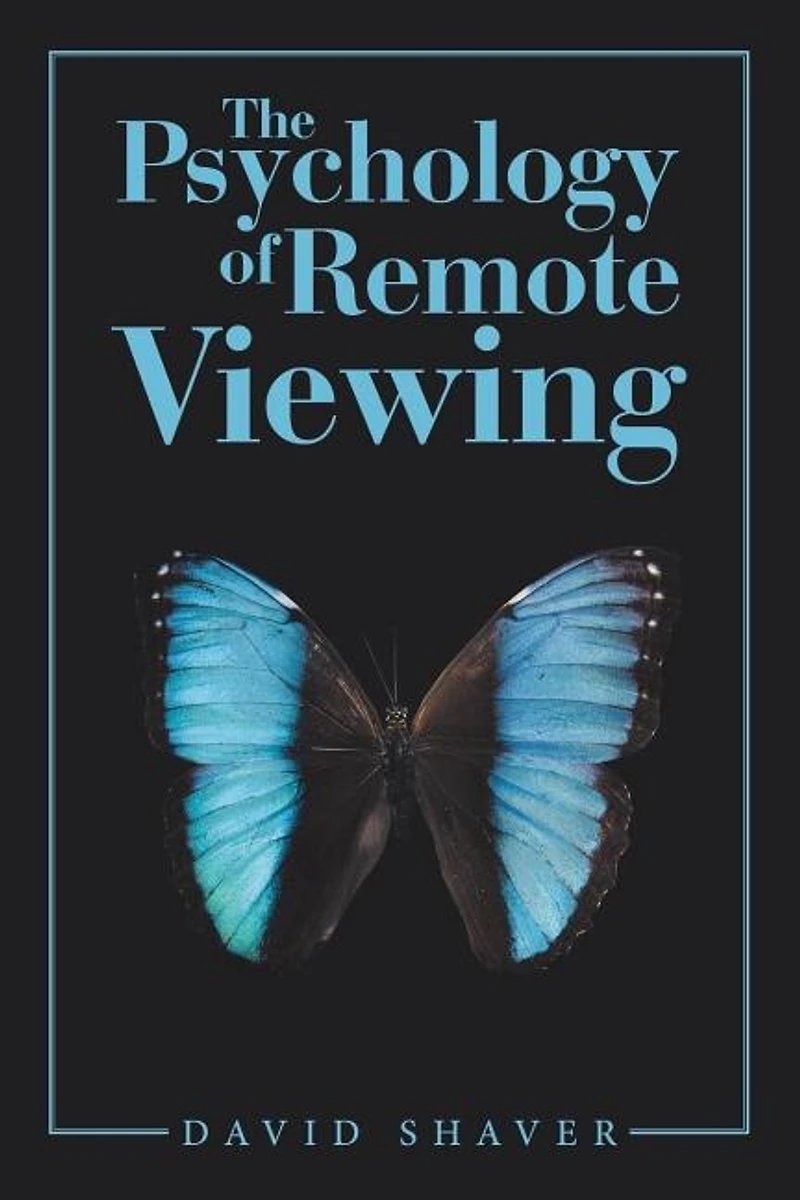
The Psychology of Remote Viewing
Current price: $25.95

The Psychology of Remote Viewing
Current price: $25.95
Loading Inventory...
Size: Paperback
*Product information may vary - to confirm product availability, pricing, shipping and return information please contact Indigo
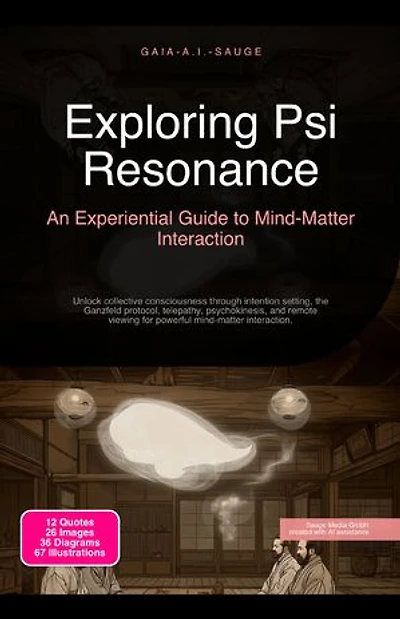
While researching the unity of the collective unconscious, Carl Jung discovered that it performs two important functions: (1) the congruence of individual symbols and mythologies and (2) the phenomena of extra-sensory perception. (CW 16, par. 254) In his first book, Jung & Remote Viewing, Dr. David Shaver addressed Carl Jung's concept of synchronicity to reveal how extra-sensory perception arises from the interaction of mind and matter. Now, in The Psychology of Remote Viewing, Dr. Shaver explores the development of consciousness by revealing how extra-sensory information transfers from the unconscious into conscious awareness. Beginning with the structure of the mind, and highlighting the different ways the conscious and unconscious minds function, The Psychology of Remote Viewing draws upon insights from psychoanalysis, philosophy, and art to provide a psychologically comprehensive overview of the remote viewing process.
While researching the unity of the collective unconscious, Carl Jung discovered that it performs two important functions: (1) the congruence of individual symbols and mythologies and (2) the phenomena of extra-sensory perception. (CW 16, par. 254) In his first book, Jung & Remote Viewing, Dr. David Shaver addressed Carl Jung's concept of synchronicity to reveal how extra-sensory perception arises from the interaction of mind and matter. Now, in The Psychology of Remote Viewing, Dr. Shaver explores the development of consciousness by revealing how extra-sensory information transfers from the unconscious into conscious awareness. Beginning with the structure of the mind, and highlighting the different ways the conscious and unconscious minds function, The Psychology of Remote Viewing draws upon insights from psychoanalysis, philosophy, and art to provide a psychologically comprehensive overview of the remote viewing process.
You May Also Like













More About Indigo at Erin Mills Town Centre
The largest book retailer in Canada also offers toys, music, home décor, gifts and lifestyle products. What's Inside...Books, Magazines, CD’s and DVD’s, Toys and Gifts, Home Accents, Electronics, Baby’s and Children’s Section, Bath and Body, Kitchen and Bedroom, Stationary Located outside in the exterior plaza.
5015 Glen Erin Dr, Mississauga, ON L5M 0R7, Canada
Find Indigo at Erin Mills Town Centre in Mississauga ON
Visit Indigo at Erin Mills Town Centre in Mississauga ON