

GIVE THE PERFECT GIFT
Erin Mills Town Centre Gift Cards are the perfect choice for your gift giving needs.Purchase gift cards at kiosks near the food court or centre court, at Guest Services, or click below to purchase online.PURCHASE HEREHome
The Psychology of Singing
Indigo
Loading Inventory...
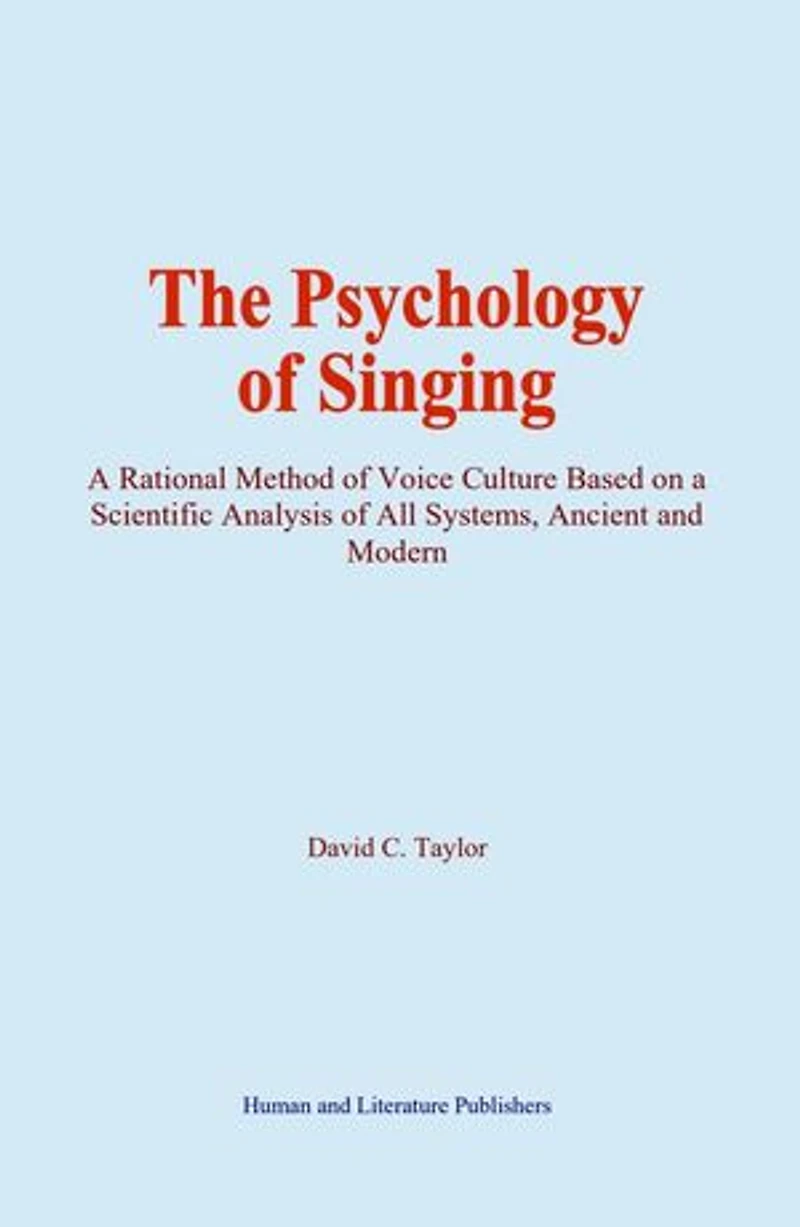
The Psychology of Singing
Current price: $6.99

The Psychology of Singing
Current price: $6.99
Loading Inventory...
Size: Kobo eBook
*Product information may vary - to confirm product availability, pricing, shipping and return information please contact Indigo
In no other form of expression do art and nature seem so closely identified as in the art of singing. A perfect voice speaks so directly to the soul of the hearer that all appearance of artfully prepared effect is absent. Every tone sung by a consummate vocal artist seems to be poured forth freely and spontaneously. There is no evidence of calculation, of carefully directed effort, of attention to the workings of the voice, in the tones of a perfect singer. Yet if the accepted idea of Voice Culture is correct, this semblance of spontaneity in the use of the voice can result only from careful and incessant attention to mechanical rules. That the voice must be managed or handled in some way neither spontaneous nor instinctive, is the settled conviction of almost every authority on the subject. All authorities believe also that this manner of handling the voice must be acquired by every student of singing, in the course of carefully directed study. This training in the use of the voice is the most important feature of education in singing. Voice Culture embraces a peculiar and distinct problem, that of the correct management of the vocal organs. Vocal training has indeed come to be considered synonymous with training in the correct use of the voice. Every method of instruction in singing must contain as its most important element some means for dealing with the problem of tone-production.
In no other form of expression do art and nature seem so closely identified as in the art of singing. A perfect voice speaks so directly to the soul of the hearer that all appearance of artfully prepared effect is absent. Every tone sung by a consummate vocal artist seems to be poured forth freely and spontaneously. There is no evidence of calculation, of carefully directed effort, of attention to the workings of the voice, in the tones of a perfect singer. Yet if the accepted idea of Voice Culture is correct, this semblance of spontaneity in the use of the voice can result only from careful and incessant attention to mechanical rules. That the voice must be managed or handled in some way neither spontaneous nor instinctive, is the settled conviction of almost every authority on the subject. All authorities believe also that this manner of handling the voice must be acquired by every student of singing, in the course of carefully directed study. This training in the use of the voice is the most important feature of education in singing. Voice Culture embraces a peculiar and distinct problem, that of the correct management of the vocal organs. Vocal training has indeed come to be considered synonymous with training in the correct use of the voice. Every method of instruction in singing must contain as its most important element some means for dealing with the problem of tone-production.
You May Also Like












More About Indigo at Erin Mills Town Centre
The largest book retailer in Canada also offers toys, music, home décor, gifts and lifestyle products. What's Inside...Books, Magazines, CD’s and DVD’s, Toys and Gifts, Home Accents, Electronics, Baby’s and Children’s Section, Bath and Body, Kitchen and Bedroom, Stationary Located outside in the exterior plaza.
5015 Glen Erin Dr, Mississauga, ON L5M 0R7, Canada
Find Indigo at Erin Mills Town Centre in Mississauga ON
Visit Indigo at Erin Mills Town Centre in Mississauga ON