

GIVE THE PERFECT GIFT
Erin Mills Town Centre Gift Cards are the perfect choice for your gift giving needs.Purchase gift cards at kiosks near the food court or centre court, at Guest Services, or click below to purchase online.PURCHASE HEREHome
The Remedy: Being a Sequel to the African Slave Trade
Indigo
Loading Inventory...
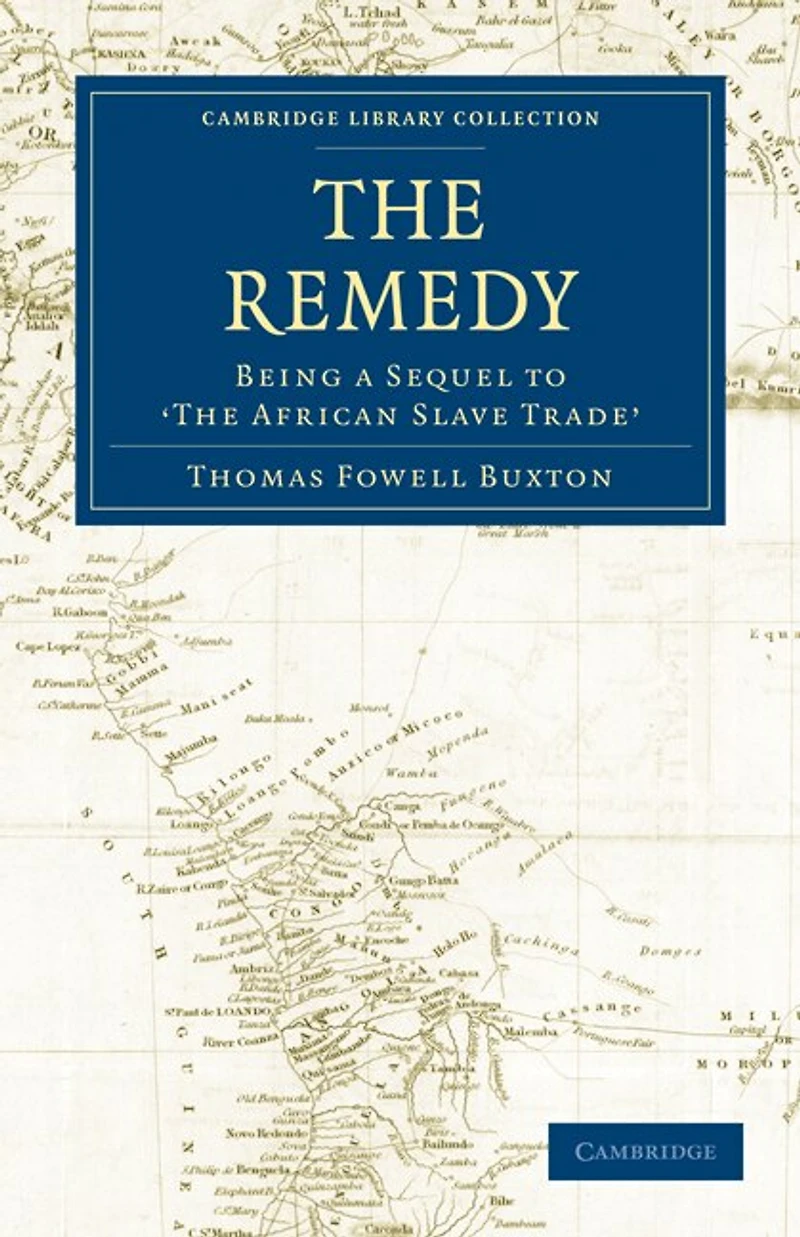
The Remedy: Being a Sequel to the African Slave Trade
Current price: $55.47

The Remedy: Being a Sequel to the African Slave Trade
Current price: $55.47
Loading Inventory...
Size: Paperback
*Product information may vary - to confirm product availability, pricing, shipping and return information please contact Indigo
Thomas Fowell Buxton, M.P. (1786–1845) was a philanthropist who had many connections with the Quaker movement through the family of his wife, who was the sister of Henry Gurney and Elizabeth Fry. He was a passionate opponent of slavery, and campaigned to end it at a time when most British people believed that enough had been done by the abolition of British slave trading in 1807. The Remedy, first published in 1840, called on the government to do more to assist African development, so that African chiefs' participation in the trade would be reduced. Many African rulers believed that slavery was their only economic resource, but Buxton argued that this was false, and that, with training in agriculture and commerce, the available workforce could improve the economy of Africa without slavery. He also advocated greater use of the navy to patrol the coasts of Africa to drive off slavers.
Thomas Fowell Buxton, M.P. (1786–1845) was a philanthropist who had many connections with the Quaker movement through the family of his wife, who was the sister of Henry Gurney and Elizabeth Fry. He was a passionate opponent of slavery, and campaigned to end it at a time when most British people believed that enough had been done by the abolition of British slave trading in 1807. The Remedy, first published in 1840, called on the government to do more to assist African development, so that African chiefs' participation in the trade would be reduced. Many African rulers believed that slavery was their only economic resource, but Buxton argued that this was false, and that, with training in agriculture and commerce, the available workforce could improve the economy of Africa without slavery. He also advocated greater use of the navy to patrol the coasts of Africa to drive off slavers.
You May Also Like










More About Indigo at Erin Mills Town Centre
The largest book retailer in Canada also offers toys, music, home décor, gifts and lifestyle products. What's Inside...Books, Magazines, CD’s and DVD’s, Toys and Gifts, Home Accents, Electronics, Baby’s and Children’s Section, Bath and Body, Kitchen and Bedroom, Stationary Located outside in the exterior plaza.
5015 Glen Erin Dr, Mississauga, ON L5M 0R7, Canada
Find Indigo at Erin Mills Town Centre in Mississauga ON
Visit Indigo at Erin Mills Town Centre in Mississauga ON