

GIVE THE PERFECT GIFT
Erin Mills Town Centre Gift Cards are the perfect choice for your gift giving needs.Purchase gift cards at kiosks near the food court or centre court, at Guest Services, or click below to purchase online.PURCHASE HEREHome
The Reproductive Bargain: Deciphering the Enigma of Japanese Capitalism
Indigo
Loading Inventory...
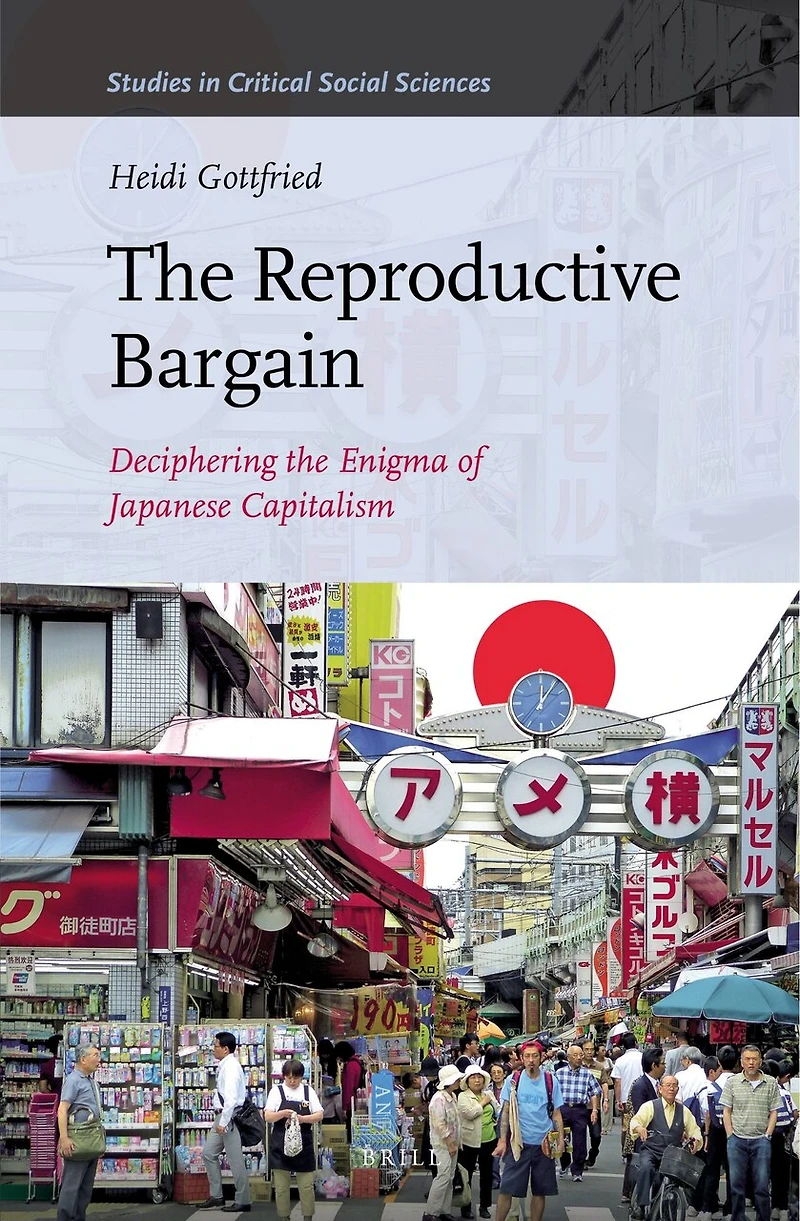
The Reproductive Bargain: Deciphering the Enigma of Japanese Capitalism
Current price: $238.99

The Reproductive Bargain: Deciphering the Enigma of Japanese Capitalism
Current price: $238.99
Loading Inventory...
Size: Hardcover
*Product information may vary - to confirm product availability, pricing, shipping and return information please contact Indigo
The Reproductive Bargain reveals the institutional sources of labor insecurities behind Japan’s postwar employment system. This economic juggernaut’s decline cannot be understood without reference to the reproductive bargain. The historical terms of the reproductive bargain rests on the establishment of company citizenship in support of a standard employment relationship, privileging the male breadwinner in calculations for benefits in exchange for the salarymen working long hours in relatively secure jobs at the enterprise and relying on women’s unpaid reproductive labor in the family and increasingly on women’s waged work in nonstandard jobs. Such institutionalized relationships, formerly the engines of growth and stability, drag economic expansion and employment security. Gendering institutional analysis is a key to deciphering the enigma of Japanese capitalism.
The Reproductive Bargain reveals the institutional sources of labor insecurities behind Japan’s postwar employment system. This economic juggernaut’s decline cannot be understood without reference to the reproductive bargain. The historical terms of the reproductive bargain rests on the establishment of company citizenship in support of a standard employment relationship, privileging the male breadwinner in calculations for benefits in exchange for the salarymen working long hours in relatively secure jobs at the enterprise and relying on women’s unpaid reproductive labor in the family and increasingly on women’s waged work in nonstandard jobs. Such institutionalized relationships, formerly the engines of growth and stability, drag economic expansion and employment security. Gendering institutional analysis is a key to deciphering the enigma of Japanese capitalism.
You May Also Like

















More About Indigo at Erin Mills Town Centre
The largest book retailer in Canada also offers toys, music, home décor, gifts and lifestyle products. What's Inside...Books, Magazines, CD’s and DVD’s, Toys and Gifts, Home Accents, Electronics, Baby’s and Children’s Section, Bath and Body, Kitchen and Bedroom, Stationary Located outside in the exterior plaza.
5015 Glen Erin Dr, Mississauga, ON L5M 0R7, Canada
Find Indigo at Erin Mills Town Centre in Mississauga ON
Visit Indigo at Erin Mills Town Centre in Mississauga ON