

GIVE THE PERFECT GIFT
Erin Mills Town Centre Gift Cards are the perfect choice for your gift giving needs.Purchase gift cards at kiosks near the food court or centre court, at Guest Services, or click below to purchase online.PURCHASE HEREHome
The Rhetorical Power of Children's Literature
Indigo
Loading Inventory...
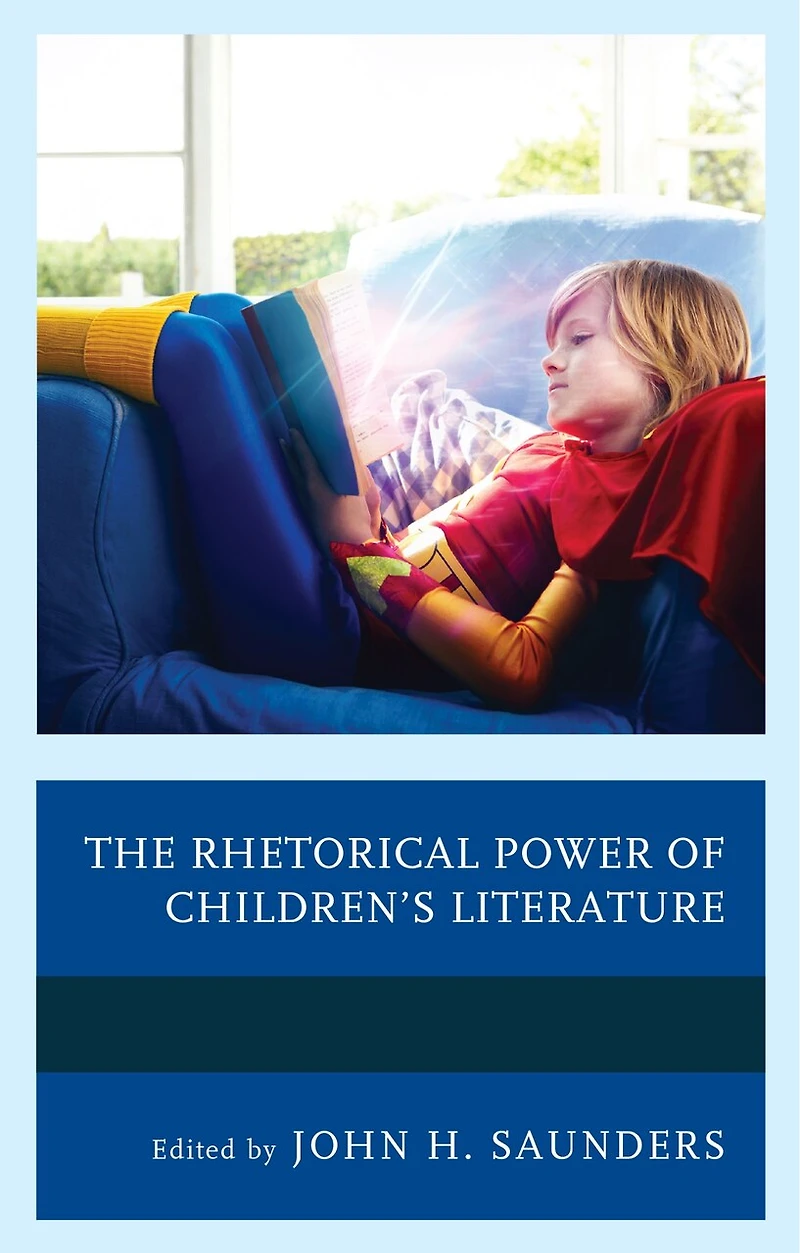
The Rhetorical Power of Children's Literature
Current price: $152.00

The Rhetorical Power of Children's Literature
Current price: $152.00
Loading Inventory...
Size: Hardcover
*Product information may vary - to confirm product availability, pricing, shipping and return information please contact Indigo
The Rhetorical Power of Children's Literature is an edited volume with contributions from established and new scholars of rhetoric offering case studies that analyze a full array of genres in children’s literature from picture books to young adult novels. Collectively, this volume’s contributions interrogate how children’s literature is a powerful yet under examined space of rhetorical discourse that influences one of the most vulnerable segments of our population.
This book is singularly unique given that it will be the first collection of essays on children’s literature from the distinct perspective of the field of Communication. Beyond topical novelty, the contributors utilize a range of scholarly methods to analyze instances of the rhetoric of children’s literature. Consequently, essays in this volume may be read for both their specific topical content and as exemplars for multiple methodological approaches to the study of the rhetoric of children’s literature. Collectively, the contributors set out to contribute to our knowledge of how instances of children’s literature operate as rhetorical discourses.
The volume is organized by case studies approached through critical, rhetorical lenses that analyze specific instances of children’s literature from two distinct stages of children’s developmental reading experiences including pre/early literacy and fluent reading. Structurally, the book includes eight content chapters divided evenly with four chapters analyzing books for young children and four chapters analyzing books targeting audiences from late-childhood to adolescence. An overview of each content chapter accompanies this proposal.
is an edited volume with contributions from established and new scholars of rhetoric offering case studies that analyze a full array of genres in children’s literature from picture books to young adult novels. Collectively, this volume’s contributions interrogate how children’s literature is a powerful yet under examined space of rhetorical discourse that influences one of the most vulnerable segments of our population.
This book is singularly unique given that it will be the first collection of essays on children’s literature from the distinct perspective of the field of Communication. Beyond topical novelty, the contributors utilize a range of scholarly methods to analyze instances of the rhetoric of children’s literature. Consequently, essays in this volume may be read for both their specific topical content and as exemplars for multiple methodological approaches to the study of the rhetoric of children’s literature. Collectively, the contributors set out to contribute to our knowledge of how instances of children’s literature operate as rhetorical discourses.
The volume is organized by case studies approached through critical, rhetorical lenses that analyze specific instances of children’s literature from two distinct stages of children’s developmental reading experiences including pre/early literacy and fluent reading. Structurally, the book includes eight content chapters divided evenly with four chapters analyzing books for young children and four chapters analyzing books targeting audiences from late-childhood to adolescence. An overview of each content chapter accompanies this proposal.
The Rhetorical Power of Children's Literature is an edited volume with contributions from established and new scholars of rhetoric offering case studies that analyze a full array of genres in children’s literature from picture books to young adult novels. Collectively, this volume’s contributions interrogate how children’s literature is a powerful yet under examined space of rhetorical discourse that influences one of the most vulnerable segments of our population.
This book is singularly unique given that it will be the first collection of essays on children’s literature from the distinct perspective of the field of Communication. Beyond topical novelty, the contributors utilize a range of scholarly methods to analyze instances of the rhetoric of children’s literature. Consequently, essays in this volume may be read for both their specific topical content and as exemplars for multiple methodological approaches to the study of the rhetoric of children’s literature. Collectively, the contributors set out to contribute to our knowledge of how instances of children’s literature operate as rhetorical discourses.
The volume is organized by case studies approached through critical, rhetorical lenses that analyze specific instances of children’s literature from two distinct stages of children’s developmental reading experiences including pre/early literacy and fluent reading. Structurally, the book includes eight content chapters divided evenly with four chapters analyzing books for young children and four chapters analyzing books targeting audiences from late-childhood to adolescence. An overview of each content chapter accompanies this proposal.
is an edited volume with contributions from established and new scholars of rhetoric offering case studies that analyze a full array of genres in children’s literature from picture books to young adult novels. Collectively, this volume’s contributions interrogate how children’s literature is a powerful yet under examined space of rhetorical discourse that influences one of the most vulnerable segments of our population.
This book is singularly unique given that it will be the first collection of essays on children’s literature from the distinct perspective of the field of Communication. Beyond topical novelty, the contributors utilize a range of scholarly methods to analyze instances of the rhetoric of children’s literature. Consequently, essays in this volume may be read for both their specific topical content and as exemplars for multiple methodological approaches to the study of the rhetoric of children’s literature. Collectively, the contributors set out to contribute to our knowledge of how instances of children’s literature operate as rhetorical discourses.
The volume is organized by case studies approached through critical, rhetorical lenses that analyze specific instances of children’s literature from two distinct stages of children’s developmental reading experiences including pre/early literacy and fluent reading. Structurally, the book includes eight content chapters divided evenly with four chapters analyzing books for young children and four chapters analyzing books targeting audiences from late-childhood to adolescence. An overview of each content chapter accompanies this proposal.
You May Also Like








More About Indigo at Erin Mills Town Centre
The largest book retailer in Canada also offers toys, music, home décor, gifts and lifestyle products. What's Inside...Books, Magazines, CD’s and DVD’s, Toys and Gifts, Home Accents, Electronics, Baby’s and Children’s Section, Bath and Body, Kitchen and Bedroom, Stationary Located outside in the exterior plaza.
5015 Glen Erin Dr, Mississauga, ON L5M 0R7, Canada
Find Indigo at Erin Mills Town Centre in Mississauga ON
Visit Indigo at Erin Mills Town Centre in Mississauga ON