

GIVE THE PERFECT GIFT
Erin Mills Town Centre Gift Cards are the perfect choice for your gift giving needs.Purchase gift cards at kiosks near the food court or centre court, at Guest Services, or click below to purchase online.PURCHASE HEREHome
The Rivalry Peril: How Great-Power Competition Threatens Peace and Weakens Democracy
Indigo
Loading Inventory...
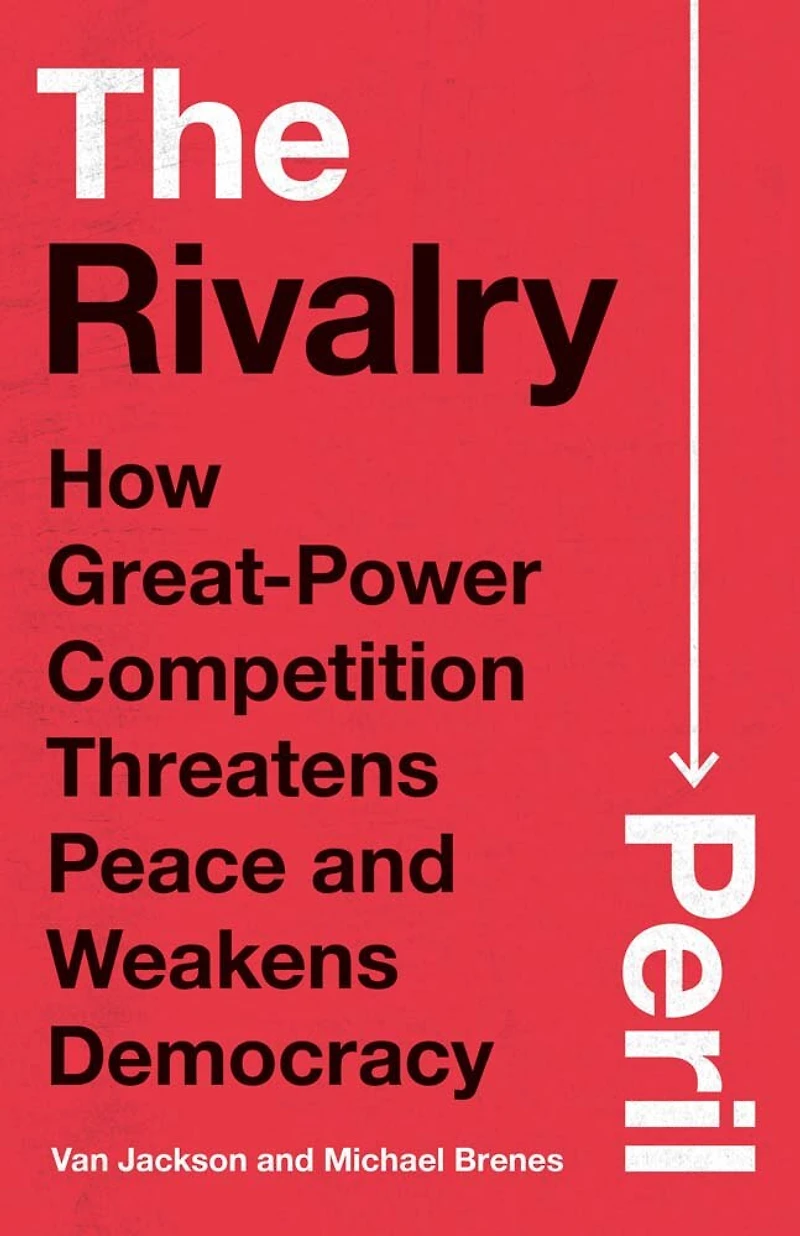
The Rivalry Peril: How Great-Power Competition Threatens Peace and Weakens Democracy
Current price: $39.00

The Rivalry Peril: How Great-Power Competition Threatens Peace and Weakens Democracy
Current price: $39.00
Loading Inventory...
Size: Hardcover
*Product information may vary - to confirm product availability, pricing, shipping and return information please contact Indigo
How the U.S. policy of competition with China is detrimental to democracy, peace, and prosperity—and how a saner approach is possible
For close to a decade, the U.S. government has been preoccupied with the threat of China, fearing that the country will “eat our lunch,” in the words of Joe Biden. The United States has crafted its foreign and domestic policy to help constrain China’s military power and economic growth. Van Jackson and Michael Brenes argue that great-power competition with China is misguided and vastly underestimates the costs and risks that geopolitical rivalry poses to economic prosperity, the quality of democracy, and, ultimately, global stability.
This in-depth assessment of the trade-offs and pitfalls of protracted competition with China reveals how such a policy exacerbates inequality, leads to xenophobia, and increases the likelihood of violence around the world. In addition, it distracts from the priority of addressing such issues as climate change while at the same time undercutting democratic pluralism and sacrificing liberty in the name of prevailing against an enemy “other.” Jackson and Brenes provide an informed and urgent critique of current U.S. foreign policy and a road map toward a saner, more democratically accountable strategy of easing tension and achieving effective diplomacy.
How the U.S. policy of competition with China is detrimental to democracy, peace, and prosperity—and how a saner approach is possible
For close to a decade, the U.S. government has been preoccupied with the threat of China, fearing that the country will “eat our lunch,” in the words of Joe Biden. The United States has crafted its foreign and domestic policy to help constrain China’s military power and economic growth. Van Jackson and Michael Brenes argue that great-power competition with China is misguided and vastly underestimates the costs and risks that geopolitical rivalry poses to economic prosperity, the quality of democracy, and, ultimately, global stability.
This in-depth assessment of the trade-offs and pitfalls of protracted competition with China reveals how such a policy exacerbates inequality, leads to xenophobia, and increases the likelihood of violence around the world. In addition, it distracts from the priority of addressing such issues as climate change while at the same time undercutting democratic pluralism and sacrificing liberty in the name of prevailing against an enemy “other.” Jackson and Brenes provide an informed and urgent critique of current U.S. foreign policy and a road map toward a saner, more democratically accountable strategy of easing tension and achieving effective diplomacy.
You May Also Like








More About Indigo at Erin Mills Town Centre
The largest book retailer in Canada also offers toys, music, home décor, gifts and lifestyle products. What's Inside...Books, Magazines, CD’s and DVD’s, Toys and Gifts, Home Accents, Electronics, Baby’s and Children’s Section, Bath and Body, Kitchen and Bedroom, Stationary Located outside in the exterior plaza.
5015 Glen Erin Dr, Mississauga, ON L5M 0R7, Canada
Find Indigo at Erin Mills Town Centre in Mississauga ON
Visit Indigo at Erin Mills Town Centre in Mississauga ON