

GIVE THE PERFECT GIFT
Erin Mills Town Centre Gift Cards are the perfect choice for your gift giving needs.Purchase gift cards at kiosks near the food court or centre court, at Guest Services, or click below to purchase online.PURCHASE HEREHome
The Roads Between Kingdoms: Tracing Medieval European Trade Networks, Market Systems, and Economic Transformations Through Merchants, Guilds, and Everyday Exchange, 1000–1500 CE
Indigo
Loading Inventory...
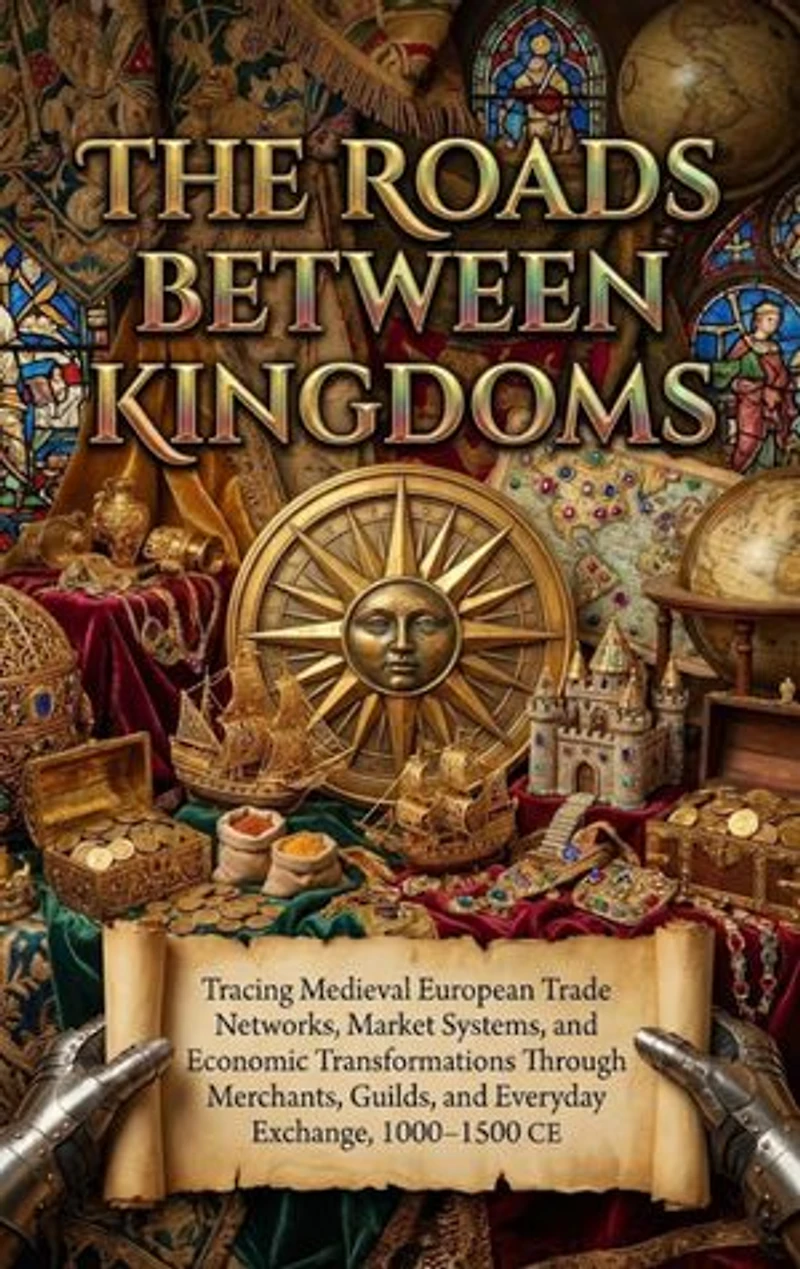
The Roads Between Kingdoms: Tracing Medieval European Trade Networks, Market Systems, and Economic Transformations Through Merchants, Guilds, and Everyday Exchange, 1000–1500 CE
Current price: $12.99

The Roads Between Kingdoms: Tracing Medieval European Trade Networks, Market Systems, and Economic Transformations Through Merchants, Guilds, and Everyday Exchange, 1000–1500 CE
Current price: $12.99
Loading Inventory...
Size: Kobo eBook
*Product information may vary - to confirm product availability, pricing, shipping and return information please contact Indigo
Medieval Europe was not a static patchwork of isolated fiefdoms, but a continent connected by roads, rivers, and sea routes where wool from England met spices from the East, where silver mines in Bohemia financed Italian banking houses, and where a merchant's reputation in Bruges could determine credit access in Novgorod. This book follows the flow of goods, people, and ideas across medieval trade networks, examining how economic relationships shaped political alliances, urban growth, and social mobility. It traces the rise of merchant guilds and their regulation of quality and competition, the development of credit instruments that allowed transactions across vast distances, and the role of annual fairs in synchronizing regional economies. It explores how monastic estates managed agricultural surplus, how craft specialization transformed towns, and how taxation systems evolved to fund warfare and infrastructure. Drawing on account books, guild regulations, toll records, and archaeological evidence of trade goods, it reveals the practical mechanisms behind medieval commerce: how partnerships were structured to share risk, how disputes were arbitrated in merchant courts, how urban authorities balanced regulation with economic growth, and how plague, climate shifts, and warfare disrupted established patterns. This is an examination of how medieval people navigated scarcity, uncertainty, and opportunity—building economic institutions that would shape European development for centuries.
Medieval Europe was not a static patchwork of isolated fiefdoms, but a continent connected by roads, rivers, and sea routes where wool from England met spices from the East, where silver mines in Bohemia financed Italian banking houses, and where a merchant's reputation in Bruges could determine credit access in Novgorod. This book follows the flow of goods, people, and ideas across medieval trade networks, examining how economic relationships shaped political alliances, urban growth, and social mobility. It traces the rise of merchant guilds and their regulation of quality and competition, the development of credit instruments that allowed transactions across vast distances, and the role of annual fairs in synchronizing regional economies. It explores how monastic estates managed agricultural surplus, how craft specialization transformed towns, and how taxation systems evolved to fund warfare and infrastructure. Drawing on account books, guild regulations, toll records, and archaeological evidence of trade goods, it reveals the practical mechanisms behind medieval commerce: how partnerships were structured to share risk, how disputes were arbitrated in merchant courts, how urban authorities balanced regulation with economic growth, and how plague, climate shifts, and warfare disrupted established patterns. This is an examination of how medieval people navigated scarcity, uncertainty, and opportunity—building economic institutions that would shape European development for centuries.
You May Also Like

















More About Indigo at Erin Mills Town Centre
The largest book retailer in Canada also offers toys, music, home décor, gifts and lifestyle products. What's Inside...Books, Magazines, CD’s and DVD’s, Toys and Gifts, Home Accents, Electronics, Baby’s and Children’s Section, Bath and Body, Kitchen and Bedroom, Stationary Located outside in the exterior plaza.
5015 Glen Erin Dr, Mississauga, ON L5M 0R7, Canada
Find Indigo at Erin Mills Town Centre in Mississauga ON
Visit Indigo at Erin Mills Town Centre in Mississauga ON