

GIVE THE PERFECT GIFT
Erin Mills Town Centre Gift Cards are the perfect choice for your gift giving needs.Purchase gift cards at kiosks near the food court or centre court, at Guest Services, or click below to purchase online.PURCHASE HEREHome
The Routledge International Handbook of Disability Human Rights Hierarchies
Indigo
Loading Inventory...
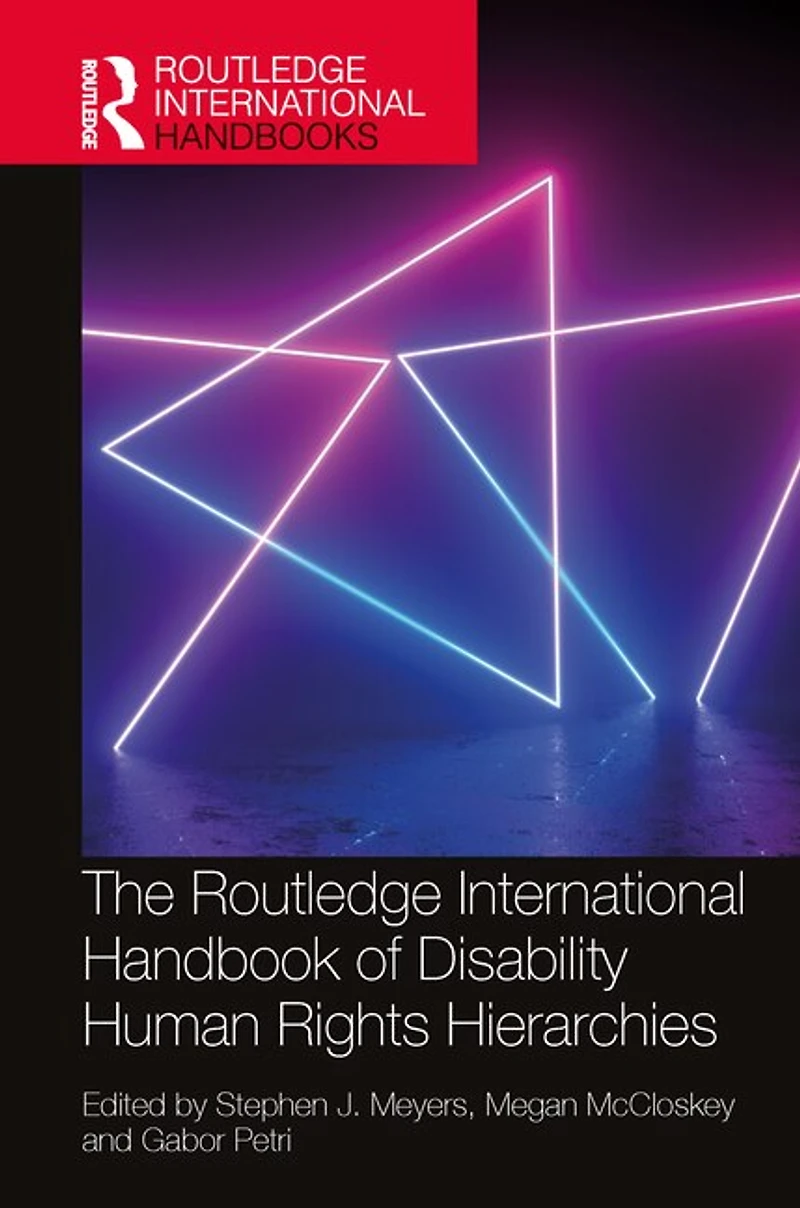
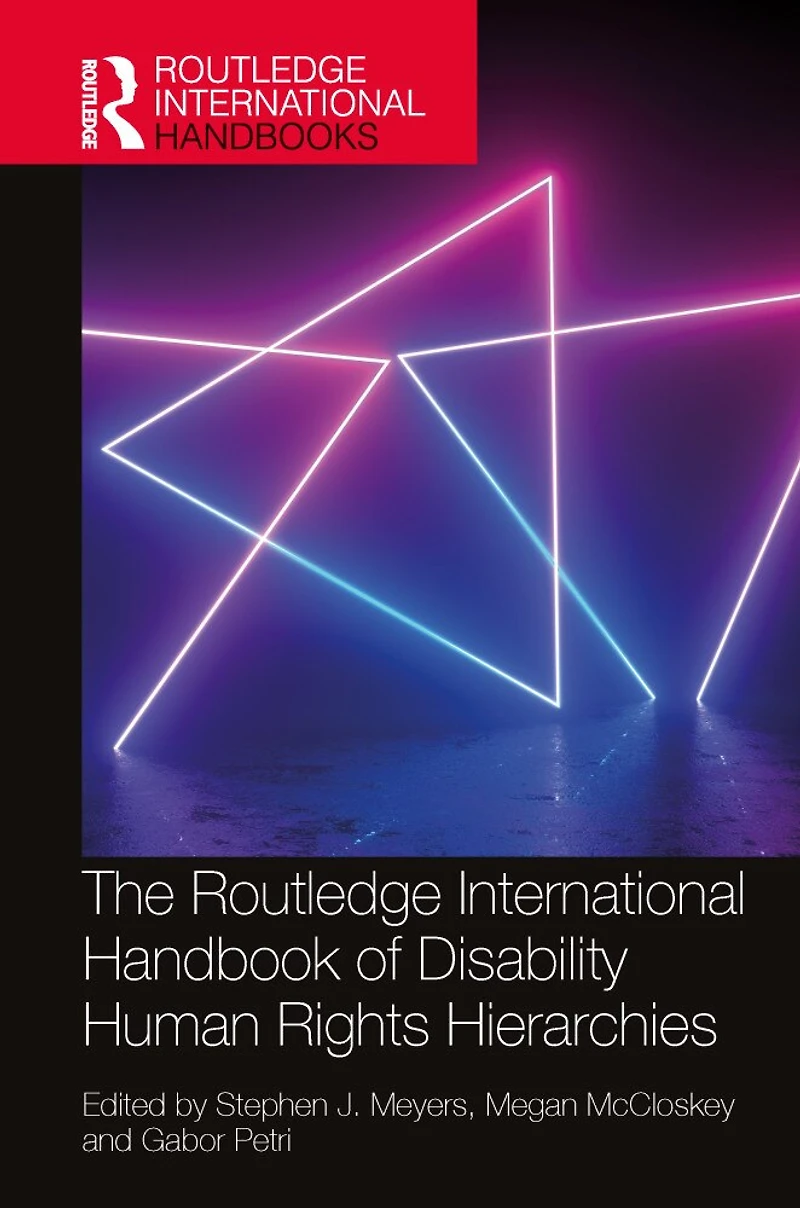
The Routledge International Handbook of Disability Human Rights Hierarchies
Current price: $481.50

The Routledge International Handbook of Disability Human Rights Hierarchies
Current price: $481.50
Loading Inventory...
Size: Hardcover
*Product information may vary - to confirm product availability, pricing, shipping and return information please contact Indigo
Disability is defined by hierarchy. Regardless of culture or context, persons with disabilities are almost always pushed to the bottom of the social hierarchy. With the advent of the Convention on the Rights of Persons with Disabilities (2006), disability human rights seemingly provided a path forward for tearing down ableist social hierarchies and ensuring that all persons with disabilities everywhere were treated equally. Despite important progress, the disability human rights project not only remains incomplete, but has often created new hierarchies among persons with disabilities themselves or across the human rights it promotes. Certain groups of persons with disabilities have gained new voices while others remain silenced and certain rights are prioritized over others depending on what states, international organizations, or advocates want rather than what those on the ground need most. This volume was inspired both by the continued need to expose human rights violations against persons with disabilities, but to also explore the nuanced role that hierarchies play in the spread, implementation, and protection of disability human rights. The enjoyment of human rights is not equal nor is the recognition of specific individuals and groups' rights. In order to change this situation, inequalities across the disability human rights movement must be explored. Divided into five parts:
Who counts as disabled?
Political, social, and cultural context
Which rights on top, whose rights on bottom?
Pushed to the periphery in the disability rights movement
Representations of disability
and comprised of 34 newly-written chapters including case-studies from the Anglophone Caribbean, Bangladesh, Bosnia-Herzegovina, China, Ghana, Haiti, Hungary, India, Israel, Kenya, Latin America, Poland, Russia, Scotland, Serbia and South Africa, and other countries, this book will be of interest to all scholars and students of disability studies, sociology, human rights law and social policy.
Disability is defined by hierarchy. Regardless of culture or context, persons with disabilities are almost always pushed to the bottom of the social hierarchy. With the advent of the Convention on the Rights of Persons with Disabilities (2006), disability human rights seemingly provided a path forward for tearing down ableist social hierarchies and ensuring that all persons with disabilities everywhere were treated equally. Despite important progress, the disability human rights project not only remains incomplete, but has often created new hierarchies among persons with disabilities themselves or across the human rights it promotes. Certain groups of persons with disabilities have gained new voices while others remain silenced and certain rights are prioritized over others depending on what states, international organizations, or advocates want rather than what those on the ground need most. This volume was inspired both by the continued need to expose human rights violations against persons with disabilities, but to also explore the nuanced role that hierarchies play in the spread, implementation, and protection of disability human rights. The enjoyment of human rights is not equal nor is the recognition of specific individuals and groups' rights. In order to change this situation, inequalities across the disability human rights movement must be explored. Divided into five parts:
Who counts as disabled?
Political, social, and cultural context
Which rights on top, whose rights on bottom?
Pushed to the periphery in the disability rights movement
Representations of disability
and comprised of 34 newly-written chapters including case-studies from the Anglophone Caribbean, Bangladesh, Bosnia-Herzegovina, China, Ghana, Haiti, Hungary, India, Israel, Kenya, Latin America, Poland, Russia, Scotland, Serbia and South Africa, and other countries, this book will be of interest to all scholars and students of disability studies, sociology, human rights law and social policy.
You May Also Like











More About Indigo at Erin Mills Town Centre
The largest book retailer in Canada also offers toys, music, home décor, gifts and lifestyle products. What's Inside...Books, Magazines, CD’s and DVD’s, Toys and Gifts, Home Accents, Electronics, Baby’s and Children’s Section, Bath and Body, Kitchen and Bedroom, Stationary Located outside in the exterior plaza.
5015 Glen Erin Dr, Mississauga, ON L5M 0R7, Canada
Find Indigo at Erin Mills Town Centre in Mississauga ON
Visit Indigo at Erin Mills Town Centre in Mississauga ON