

GIVE THE PERFECT GIFT
Erin Mills Town Centre Gift Cards are the perfect choice for your gift giving needs.Purchase gift cards at kiosks near the food court or centre court, at Guest Services, or click below to purchase online.PURCHASE HEREHome
The Sand-man: ''I know you are all very uneasy...''
Indigo
Loading Inventory...
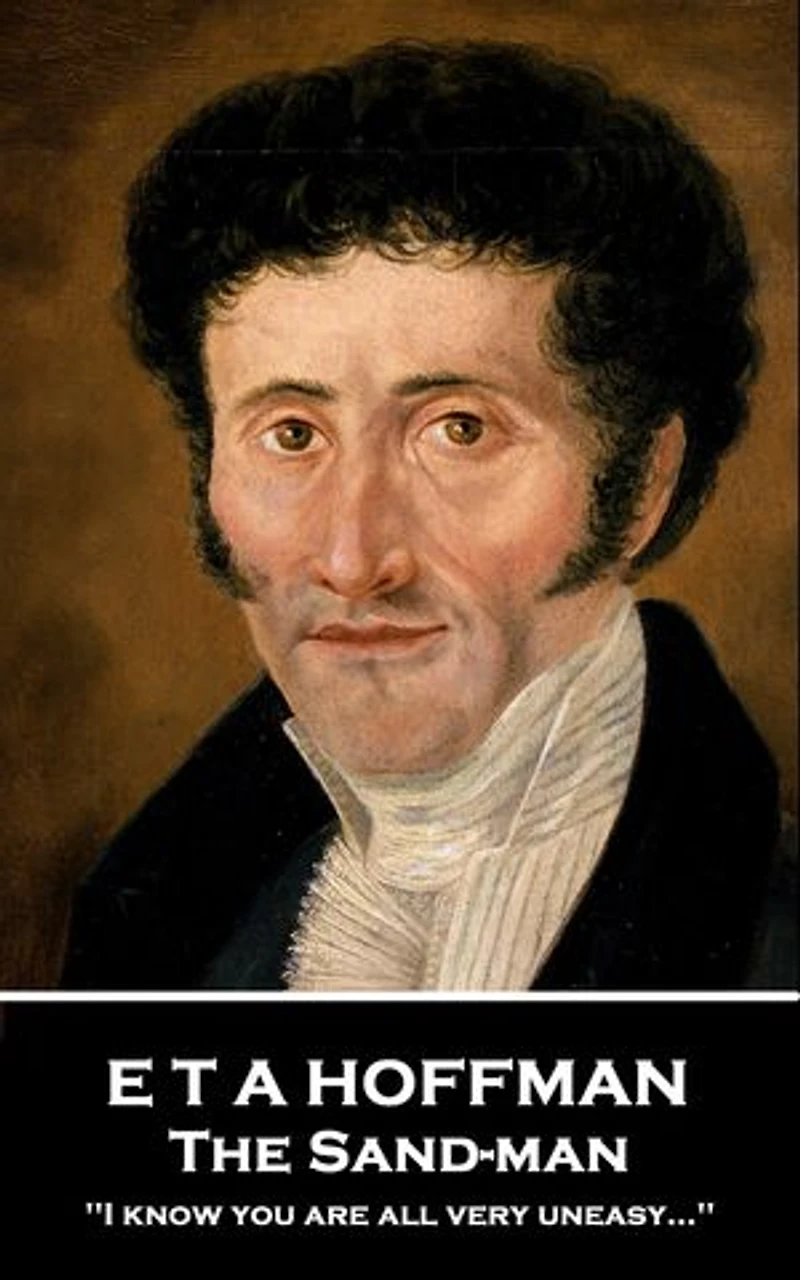
The Sand-man: ''I know you are all very uneasy...''
Current price: $0.99

The Sand-man: ''I know you are all very uneasy...''
Current price: $0.99
Loading Inventory...
Size: Kobo eBook
*Product information may vary - to confirm product availability, pricing, shipping and return information please contact Indigo
Ernst Theodor Wilhelm Hoffman was born on the 24th January 1776, the youngest of three children, in Königsberg, then in Prussia but now part of the Kaliningrad Russian enclave.
His parents separated when he was two and for many years life was to be provincial and, despite his talents for the creative arts and the classics, much was passing him by.
At 20 Hoffman obtained employment as a clerk and to the art that now surrounded him. Two years later he was in Berlin attempting a career as a composer with an operetta called ‘Die Maske’. His gift for drawing caricatures and sharing them often got him into trouble that was easier to avoid.
The years of Napoleon ravaging Europe were bad for Hoffman; he moved often and took on works as varied as theatre management and music critic. In this his talents were now more evident. His works on Beethoven where highly regarded by the master himself.
His literary breakthrough came in 1809, with ‘Ritter Gluck’, about a man who believes he has met the composer 20 years after his death. However the various jobs and the wars continued and plagued any career advancement despite his constant travel for opportunities, often through dangerous territories.
In the wake of Napoleon’s defeat in 1814, Hoffmann returned to Berlin where his opera ‘Undine’ was performed by the Berlin Theatre. Life was now more settled and many of his most famous works were written at his time.
From 1819, Hoffmann was struggling with both legal disputes and ill health. Alcohol abuse and syphilis were physically weakening him and from 1822 paralysis set in. His last works were dictated to his wife or to a secretary as all around him society descended into an anti-liberal agenda, stifling dissent with threats of legal action and even treason. The ailing Hoffman was among them.
E T A Hoffmann died on the 25th June 1822 in Berlin of syphilis. He was 46.
Ernst Theodor Wilhelm Hoffman was born on the 24th January 1776, the youngest of three children, in Königsberg, then in Prussia but now part of the Kaliningrad Russian enclave.
His parents separated when he was two and for many years life was to be provincial and, despite his talents for the creative arts and the classics, much was passing him by.
At 20 Hoffman obtained employment as a clerk and to the art that now surrounded him. Two years later he was in Berlin attempting a career as a composer with an operetta called ‘Die Maske’. His gift for drawing caricatures and sharing them often got him into trouble that was easier to avoid.
The years of Napoleon ravaging Europe were bad for Hoffman; he moved often and took on works as varied as theatre management and music critic. In this his talents were now more evident. His works on Beethoven where highly regarded by the master himself.
His literary breakthrough came in 1809, with ‘Ritter Gluck’, about a man who believes he has met the composer 20 years after his death. However the various jobs and the wars continued and plagued any career advancement despite his constant travel for opportunities, often through dangerous territories.
In the wake of Napoleon’s defeat in 1814, Hoffmann returned to Berlin where his opera ‘Undine’ was performed by the Berlin Theatre. Life was now more settled and many of his most famous works were written at his time.
From 1819, Hoffmann was struggling with both legal disputes and ill health. Alcohol abuse and syphilis were physically weakening him and from 1822 paralysis set in. His last works were dictated to his wife or to a secretary as all around him society descended into an anti-liberal agenda, stifling dissent with threats of legal action and even treason. The ailing Hoffman was among them.
E T A Hoffmann died on the 25th June 1822 in Berlin of syphilis. He was 46.
You May Also Like











More About Indigo at Erin Mills Town Centre
The largest book retailer in Canada also offers toys, music, home décor, gifts and lifestyle products. What's Inside...Books, Magazines, CD’s and DVD’s, Toys and Gifts, Home Accents, Electronics, Baby’s and Children’s Section, Bath and Body, Kitchen and Bedroom, Stationary Located outside in the exterior plaza.
5015 Glen Erin Dr, Mississauga, ON L5M 0R7, Canada
Find Indigo at Erin Mills Town Centre in Mississauga ON
Visit Indigo at Erin Mills Town Centre in Mississauga ON