

GIVE THE PERFECT GIFT
Erin Mills Town Centre Gift Cards are the perfect choice for your gift giving needs.Purchase gift cards at kiosks near the food court or centre court, at Guest Services, or click below to purchase online.PURCHASE HEREHome
The Scope and Structure of Unjust Enrichment
Indigo
Loading Inventory...
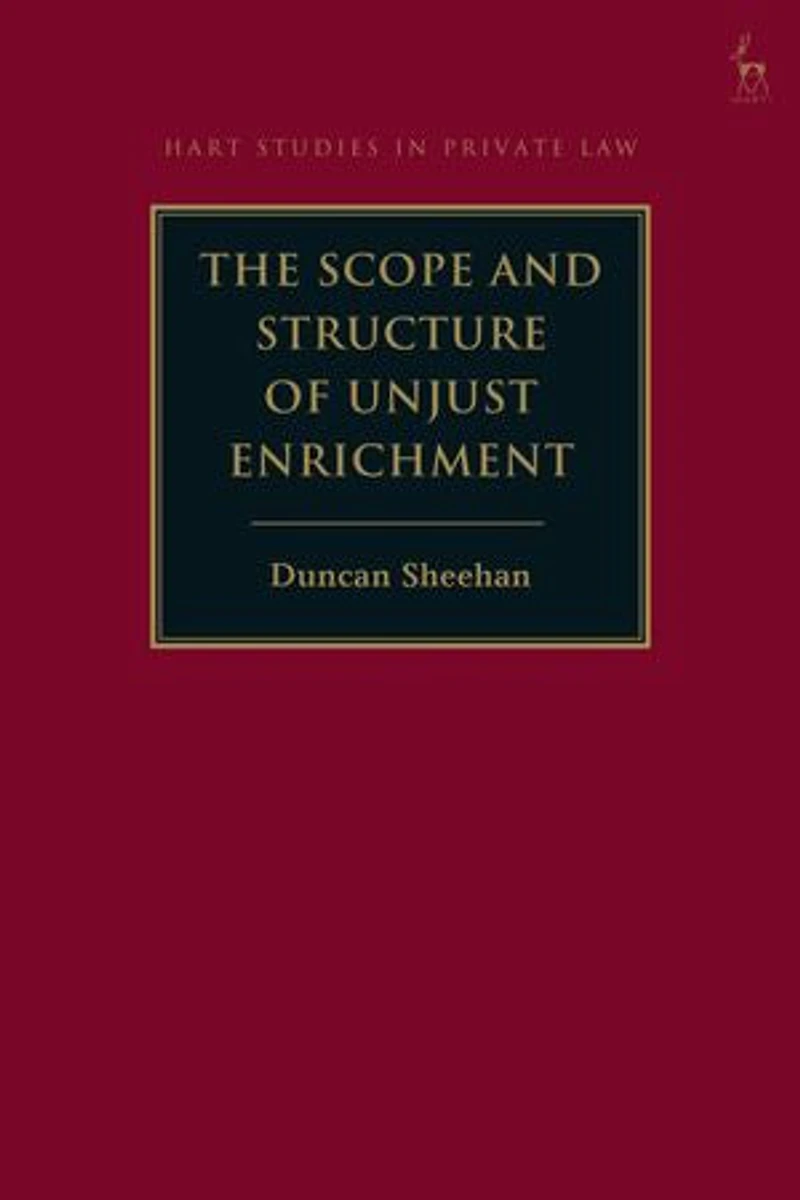
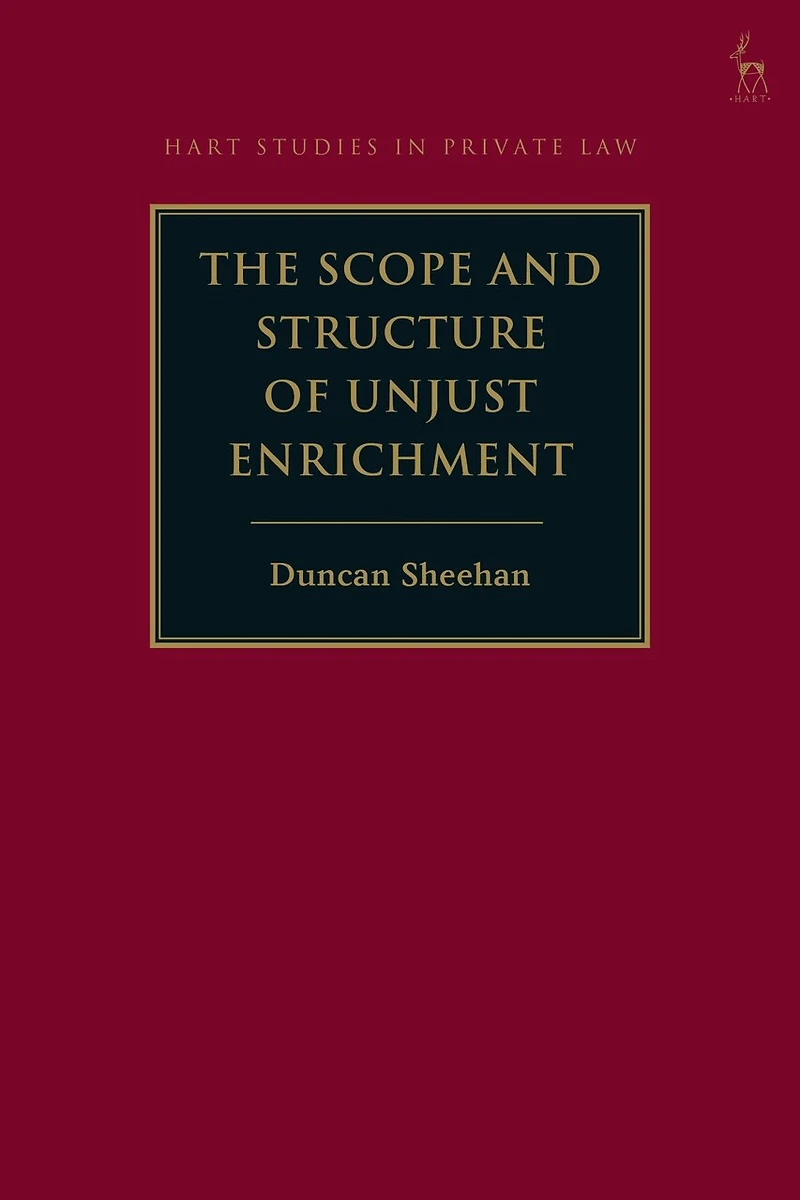
The Scope and Structure of Unjust Enrichment
Current price: $61.19
Original price: $76.45

The Scope and Structure of Unjust Enrichment
Current price: $61.19
Original price: $76.45
Loading Inventory...
Size: Kobo eBook
*Product information may vary - to confirm product availability, pricing, shipping and return information please contact Indigo
This ambitious book grapples with the complex debates ongoing on the structure of unjust enrichment, proving to be a major contribution to the field. Responding to the subject's critics, it presents a clearly articulated structure for this branch of private law, arguing that while unjust enrichment has the function of reversing defective enrichments (whether by performance or in another way) there is scope for normative pluralism in how the law achieves this. Drawing heavily on comparative material from Germany, Scotland and South Africa the book then argues for a legal framework which combines elements of the absence of basis and unjust factors approaches. It assesses how that structure can be mapped against the causes of action that make up unjust enrichment, arguing that some are performance claims - reversing a deliberate, intentional performance - and some are non-performance claims. Other claims, often included in books on unjust enrichment, such as "necessity" should be excluded from the subject area. The book concludes with a treatment of defences.
This ambitious book grapples with the complex debates ongoing on the structure of unjust enrichment, proving to be a major contribution to the field. Responding to the subject's critics, it presents a clearly articulated structure for this branch of private law, arguing that while unjust enrichment has the function of reversing defective enrichments (whether by performance or in another way) there is scope for normative pluralism in how the law achieves this. Drawing heavily on comparative material from Germany, Scotland and South Africa the book then argues for a legal framework which combines elements of the absence of basis and unjust factors approaches. It assesses how that structure can be mapped against the causes of action that make up unjust enrichment, arguing that some are performance claims - reversing a deliberate, intentional performance - and some are non-performance claims. Other claims, often included in books on unjust enrichment, such as "necessity" should be excluded from the subject area. The book concludes with a treatment of defences.
You May Also Like

















More About Indigo at Erin Mills Town Centre
The largest book retailer in Canada also offers toys, music, home décor, gifts and lifestyle products. What's Inside...Books, Magazines, CD’s and DVD’s, Toys and Gifts, Home Accents, Electronics, Baby’s and Children’s Section, Bath and Body, Kitchen and Bedroom, Stationary Located outside in the exterior plaza.
5015 Glen Erin Dr, Mississauga, ON L5M 0R7, Canada
Find Indigo at Erin Mills Town Centre in Mississauga ON
Visit Indigo at Erin Mills Town Centre in Mississauga ON