

GIVE THE PERFECT GIFT
Erin Mills Town Centre Gift Cards are the perfect choice for your gift giving needs.Purchase gift cards at kiosks near the food court or centre court, at Guest Services, or click below to purchase online.PURCHASE HEREHome
The Seven Deadly Sins: From Communities to Individuals
Indigo
Loading Inventory...
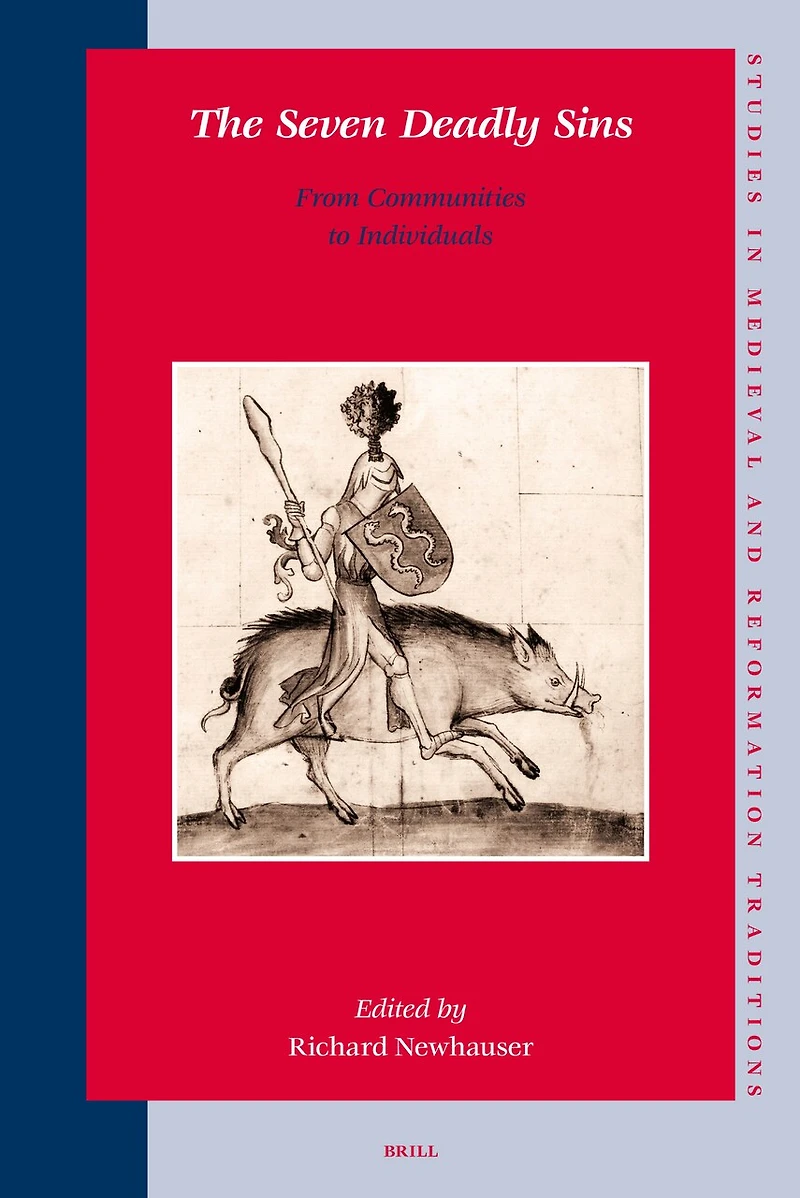
The Seven Deadly Sins: From Communities to Individuals
Current price: $232.99

The Seven Deadly Sins: From Communities to Individuals
Current price: $232.99
Loading Inventory...
Size: Hardcover
*Product information may vary - to confirm product availability, pricing, shipping and return information please contact Indigo
This volume presents a selection of essays undertaken by participants in an NEH Summer Seminar in 2004 on the topic of the seven deadly sins, viewed individually and as a whole, as part of the Begriffsgeschichte of the Middle Ages and beyond in which concepts are constructed within the cultural milieus in which they function.
The essays in the first part study the political and social ethics of medieval communities. In the second part, the institutional imperatives within the Church of formulating and teaching about the capital vices are the focus of research. In the final section, the contributions deal with ways in which secular artists and authors (in particular, Dante) contribute to the cultural construction of the vices.
Contributors include: Dwight D. Allman, Bridget K. Balint, V. S. Benfell III, Dallas G. Denery II, Laura D. Gelfand, Susan E. Hill, Holly Johnson, Hilaire Kallendorf, John Kitchen, Rhonda L. McDaniel, Richard Newhauser, Thomas Parisi, and Derrick G. Pitard.
This volume presents a selection of essays undertaken by participants in an NEH Summer Seminar in 2004 on the topic of the seven deadly sins, viewed individually and as a whole, as part of the Begriffsgeschichte of the Middle Ages and beyond in which concepts are constructed within the cultural milieus in which they function.
The essays in the first part study the political and social ethics of medieval communities. In the second part, the institutional imperatives within the Church of formulating and teaching about the capital vices are the focus of research. In the final section, the contributions deal with ways in which secular artists and authors (in particular, Dante) contribute to the cultural construction of the vices.
Contributors include: Dwight D. Allman, Bridget K. Balint, V. S. Benfell III, Dallas G. Denery II, Laura D. Gelfand, Susan E. Hill, Holly Johnson, Hilaire Kallendorf, John Kitchen, Rhonda L. McDaniel, Richard Newhauser, Thomas Parisi, and Derrick G. Pitard.
You May Also Like








More About Indigo at Erin Mills Town Centre
The largest book retailer in Canada also offers toys, music, home décor, gifts and lifestyle products. What's Inside...Books, Magazines, CD’s and DVD’s, Toys and Gifts, Home Accents, Electronics, Baby’s and Children’s Section, Bath and Body, Kitchen and Bedroom, Stationary Located outside in the exterior plaza.
5015 Glen Erin Dr, Mississauga, ON L5M 0R7, Canada
Find Indigo at Erin Mills Town Centre in Mississauga ON
Visit Indigo at Erin Mills Town Centre in Mississauga ON