

GIVE THE PERFECT GIFT
Erin Mills Town Centre Gift Cards are the perfect choice for your gift giving needs.Purchase gift cards at kiosks near the food court or centre court, at Guest Services, or click below to purchase online.PURCHASE HEREHome
The Shifting Ground of Globalization: Labor and Mineral Extraction at Vale S.A.
Indigo
Loading Inventory...
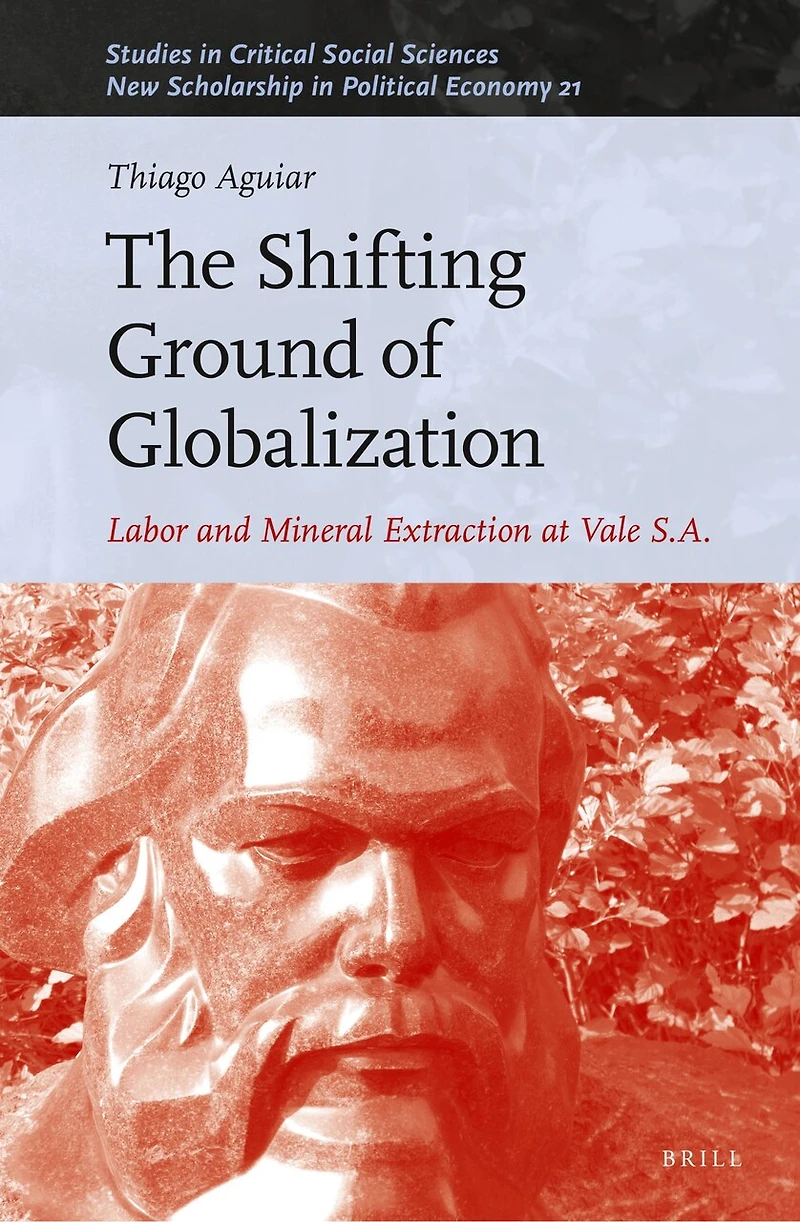
The Shifting Ground of Globalization: Labor and Mineral Extraction at Vale S.A.
Current price: $262.99

The Shifting Ground of Globalization: Labor and Mineral Extraction at Vale S.A.
Current price: $262.99
Loading Inventory...
Size: Hardcover
*Product information may vary - to confirm product availability, pricing, shipping and return information please contact Indigo
The Shifting Ground of Globalization: Labor and Mineral Extraction at Vale S.A. describes the transformation of the formerly state-owned Brazilian mining company into a Transnational Corporation, global leader in iron ore and nickel extraction. Through ethnographic research in Brazil and Canada, in places as different as Carajás, in the heart of the Amazon rainforest, and Sudbury, in northern Ontario, Thiago Aguiar dialogues with the theories of global capitalism and takes the case of the largest Latin American company as a telling example of the integration of the Brazilian economy into capitalist globalization and its consequences for workers, communities, and the environment in the first decades of the twenty-first century – when many celebrated the BRICS as an alternative to neoliberal globalization.
The Shifting Ground of Globalization: Labor and Mineral Extraction at Vale S.A. describes the transformation of the formerly state-owned Brazilian mining company into a Transnational Corporation, global leader in iron ore and nickel extraction. Through ethnographic research in Brazil and Canada, in places as different as Carajás, in the heart of the Amazon rainforest, and Sudbury, in northern Ontario, Thiago Aguiar dialogues with the theories of global capitalism and takes the case of the largest Latin American company as a telling example of the integration of the Brazilian economy into capitalist globalization and its consequences for workers, communities, and the environment in the first decades of the twenty-first century – when many celebrated the BRICS as an alternative to neoliberal globalization.
You May Also Like








More About Indigo at Erin Mills Town Centre
The largest book retailer in Canada also offers toys, music, home décor, gifts and lifestyle products. What's Inside...Books, Magazines, CD’s and DVD’s, Toys and Gifts, Home Accents, Electronics, Baby’s and Children’s Section, Bath and Body, Kitchen and Bedroom, Stationary Located outside in the exterior plaza.
5015 Glen Erin Dr, Mississauga, ON L5M 0R7, Canada
Find Indigo at Erin Mills Town Centre in Mississauga ON
Visit Indigo at Erin Mills Town Centre in Mississauga ON