

GIVE THE PERFECT GIFT
Erin Mills Town Centre Gift Cards are the perfect choice for your gift giving needs.Purchase gift cards at kiosks near the food court or centre court, at Guest Services, or click below to purchase online.PURCHASE HEREHome
The Significance of Aspect Perception: Bringing the Phenomenal World into View
Indigo
Loading Inventory...
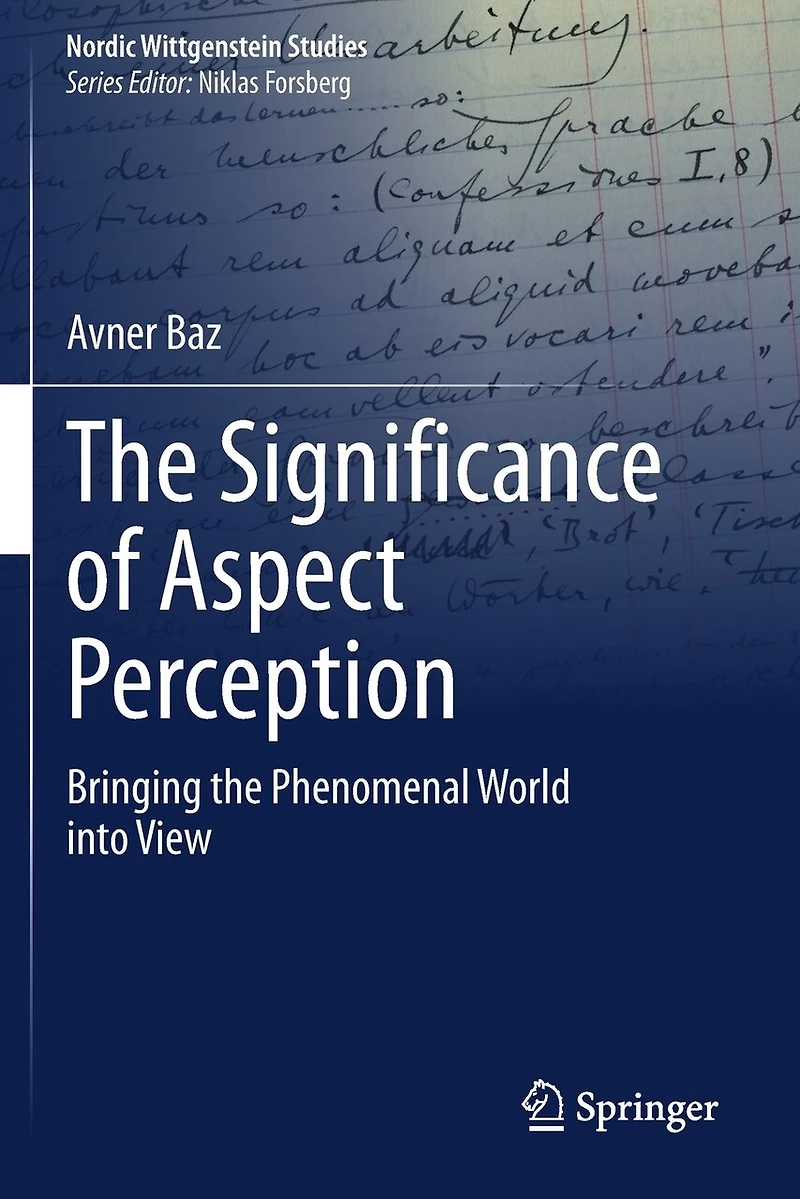
The Significance of Aspect Perception: Bringing the Phenomenal World into View
Current price: $145.95

The Significance of Aspect Perception: Bringing the Phenomenal World into View
Current price: $145.95
Loading Inventory...
Size: Paperback
*Product information may vary - to confirm product availability, pricing, shipping and return information please contact Indigo
In this volume, Baz offers a wide-ranging discussion of Wittgenstein's remarks on aspect-perception, with special focus on Wittgenstein's method. Baz starts out with an interpretation of Wittgenstein's remarks on aspects and continues with attempts to characterize and defend Wittgenstein's approach to the understanding and dissolution of philosophical difficulties. Baz ends with attempts to articulate-under the inspiration of Merleau-Ponty's phenomenology-certain dissatisfactions, both with Wittgenstein's remarks on aspect perception, and with his philosophical approach more generally. On the way, Baz explores connections between Wittgenstein's remarks on aspects and Kant's aesthetics. He examines ways in which the remarks on aspects may be brought to bear on contemporary philosophical work on perception. He discusses some of the implications of Wittgenstein's work on aspect perception for issues in moral philosophy and the philosophy of action.
In this volume, Baz offers a wide-ranging discussion of Wittgenstein's remarks on aspect-perception, with special focus on Wittgenstein's method. Baz starts out with an interpretation of Wittgenstein's remarks on aspects and continues with attempts to characterize and defend Wittgenstein's approach to the understanding and dissolution of philosophical difficulties. Baz ends with attempts to articulate-under the inspiration of Merleau-Ponty's phenomenology-certain dissatisfactions, both with Wittgenstein's remarks on aspect perception, and with his philosophical approach more generally. On the way, Baz explores connections between Wittgenstein's remarks on aspects and Kant's aesthetics. He examines ways in which the remarks on aspects may be brought to bear on contemporary philosophical work on perception. He discusses some of the implications of Wittgenstein's work on aspect perception for issues in moral philosophy and the philosophy of action.
You May Also Like
















More About Indigo at Erin Mills Town Centre
The largest book retailer in Canada also offers toys, music, home décor, gifts and lifestyle products. What's Inside...Books, Magazines, CD’s and DVD’s, Toys and Gifts, Home Accents, Electronics, Baby’s and Children’s Section, Bath and Body, Kitchen and Bedroom, Stationary Located outside in the exterior plaza.
5015 Glen Erin Dr, Mississauga, ON L5M 0R7, Canada
Find Indigo at Erin Mills Town Centre in Mississauga ON
Visit Indigo at Erin Mills Town Centre in Mississauga ON