

GIVE THE PERFECT GIFT
Erin Mills Town Centre Gift Cards are the perfect choice for your gift giving needs.Purchase gift cards at kiosks near the food court or centre court, at Guest Services, or click below to purchase online.PURCHASE HEREHome
The Slit Lamp: Applications for Biomicroscopy and Videography
Indigo
Loading Inventory...
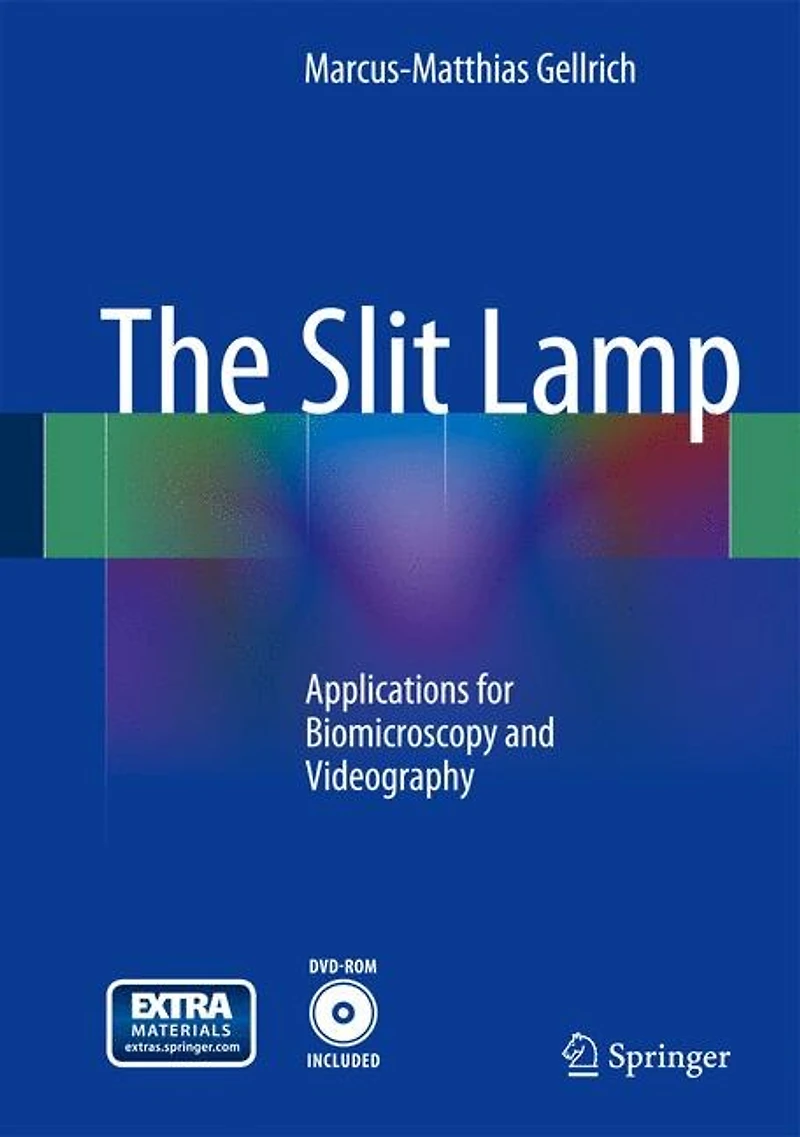
The Slit Lamp: Applications for Biomicroscopy and Videography
By None
Current price: $142.95

By None
The Slit Lamp: Applications for Biomicroscopy and Videography
Current price: $142.95
Loading Inventory...
Size: Boxed Set
*Product information may vary - to confirm product availability, pricing, shipping and return information please contact Indigo
In this book the author describes in detail the history, construction, and examination potential of the slit lamp. In particular, however, he presents a new approach – videography – that allows the ophthalmologist to document all eye diseases with the slit lamp and a video camera in a practicable, rapid, and affordable manner. The necessary methods, techniques, and equipment, including converging, diverging, and contact lenses, are clearly explained in the text and four didactic videos. The 20 most important videographic settings are described, and “recipes” for their use are presented, along with diagnostic tips. The accompanying collection of clinical images represents the world’s first ever general atlas of ophthalmology from the perspective of the slit lamp. It is the author’s hope that this introduction to ophthalmological videography, with its many images never previously produced with a slit lamp, will stimulate others to exploit the approach’s potential.
In this book the author describes in detail the history, construction, and examination potential of the slit lamp. In particular, however, he presents a new approach – videography – that allows the ophthalmologist to document all eye diseases with the slit lamp and a video camera in a practicable, rapid, and affordable manner. The necessary methods, techniques, and equipment, including converging, diverging, and contact lenses, are clearly explained in the text and four didactic videos. The 20 most important videographic settings are described, and “recipes” for their use are presented, along with diagnostic tips. The accompanying collection of clinical images represents the world’s first ever general atlas of ophthalmology from the perspective of the slit lamp. It is the author’s hope that this introduction to ophthalmological videography, with its many images never previously produced with a slit lamp, will stimulate others to exploit the approach’s potential.
You May Also Like
















More About Indigo at Erin Mills Town Centre
The largest book retailer in Canada also offers toys, music, home décor, gifts and lifestyle products. What's Inside...Books, Magazines, CD’s and DVD’s, Toys and Gifts, Home Accents, Electronics, Baby’s and Children’s Section, Bath and Body, Kitchen and Bedroom, Stationary Located outside in the exterior plaza.
5015 Glen Erin Dr, Mississauga, ON L5M 0R7, Canada
Find Indigo at Erin Mills Town Centre in Mississauga ON
Visit Indigo at Erin Mills Town Centre in Mississauga ON