

GIVE THE PERFECT GIFT
Erin Mills Town Centre Gift Cards are the perfect choice for your gift giving needs.Purchase gift cards at kiosks near the food court or centre court, at Guest Services, or click below to purchase online.PURCHASE HEREHome
The Social Architecture of French Cinema: 1929–1939
Indigo
Loading Inventory...
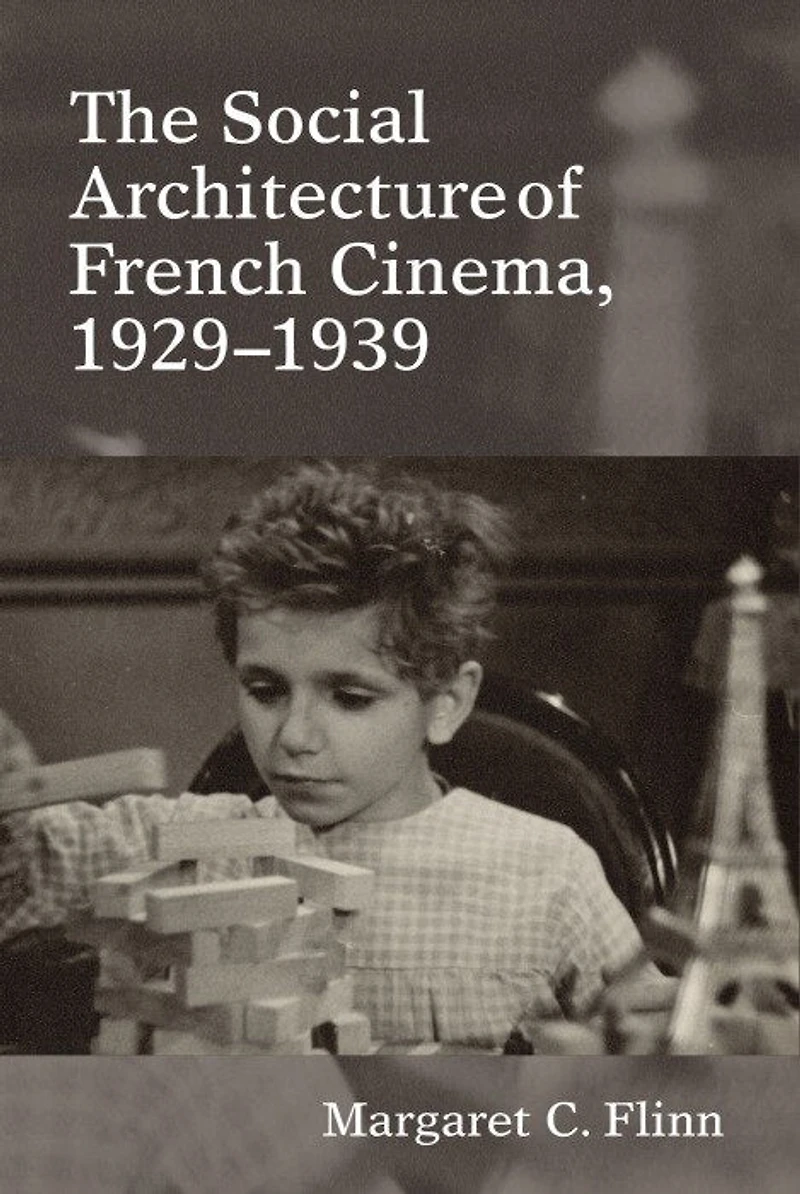
The Social Architecture of French Cinema: 1929–1939
Current price: $216.95

The Social Architecture of French Cinema: 1929–1939
Current price: $216.95
Loading Inventory...
Size: Hardcover
*Product information may vary - to confirm product availability, pricing, shipping and return information please contact Indigo
From the fleetingly captured street scenes of the city symphony, to the meticulously reconstructed studio city of musical comedies; from the propagandistic Popular Front documentaries about construction workers, to poetic realism’s bittersweet portraits of populist neighborhoods: Social Architecture explores the construction, representation and experience of spaces and places in documentary and realist films of the French 1930s. In this book, Margaret C. Flinn tracks the relation between the emergent techniques of French sound cinema and its thematic, social and political preoccupations through analysis of discourse in contemporary press, theoretical texts and through readings of films themselves. New light is shed on works of canonical directors such as Renoir, Clair, Vigo and Duvivier by their consideration in relationship to little known documentary films of the era. Flinn argues that film has a readable architecture—a configuration of narrative and representations that informs, explains, and creates social identities, while reflecting upon the position of individuals within their societies.
From the fleetingly captured street scenes of the city symphony, to the meticulously reconstructed studio city of musical comedies; from the propagandistic Popular Front documentaries about construction workers, to poetic realism’s bittersweet portraits of populist neighborhoods: Social Architecture explores the construction, representation and experience of spaces and places in documentary and realist films of the French 1930s. In this book, Margaret C. Flinn tracks the relation between the emergent techniques of French sound cinema and its thematic, social and political preoccupations through analysis of discourse in contemporary press, theoretical texts and through readings of films themselves. New light is shed on works of canonical directors such as Renoir, Clair, Vigo and Duvivier by their consideration in relationship to little known documentary films of the era. Flinn argues that film has a readable architecture—a configuration of narrative and representations that informs, explains, and creates social identities, while reflecting upon the position of individuals within their societies.
You May Also Like











More About Indigo at Erin Mills Town Centre
The largest book retailer in Canada also offers toys, music, home décor, gifts and lifestyle products. What's Inside...Books, Magazines, CD’s and DVD’s, Toys and Gifts, Home Accents, Electronics, Baby’s and Children’s Section, Bath and Body, Kitchen and Bedroom, Stationary Located outside in the exterior plaza.
5015 Glen Erin Dr, Mississauga, ON L5M 0R7, Canada
Find Indigo at Erin Mills Town Centre in Mississauga ON
Visit Indigo at Erin Mills Town Centre in Mississauga ON