

GIVE THE PERFECT GIFT
Erin Mills Town Centre Gift Cards are the perfect choice for your gift giving needs.Purchase gift cards at kiosks near the food court or centre court, at Guest Services, or click below to purchase online.PURCHASE HEREHome
The Soviet Agrarian Deba
Indigo
Loading Inventory...
The Soviet Agrarian Deba
Current price: $71.92

The Soviet Agrarian Deba
Current price: $71.92
Loading Inventory...
Size: Kobo eBook
*Product information may vary - to confirm product availability, pricing, shipping and return information please contact Indigo
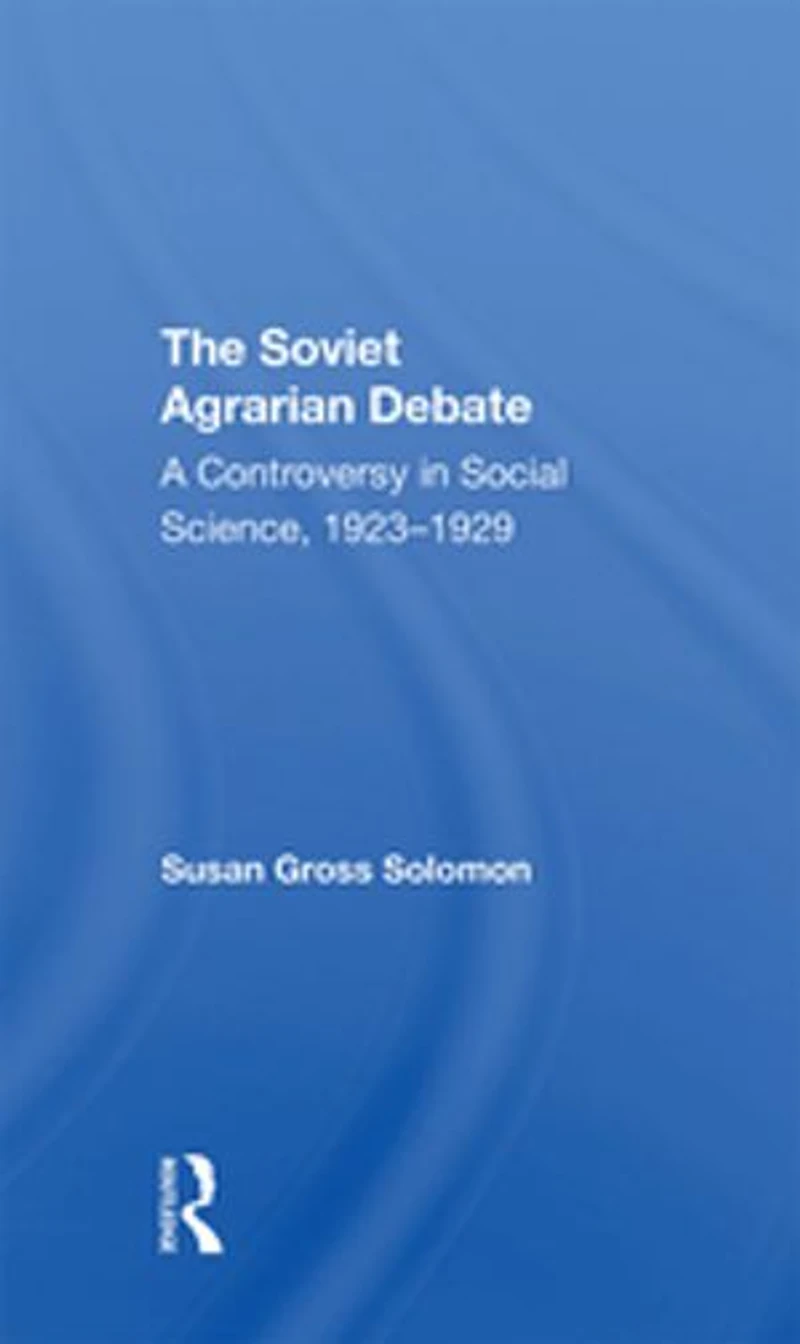
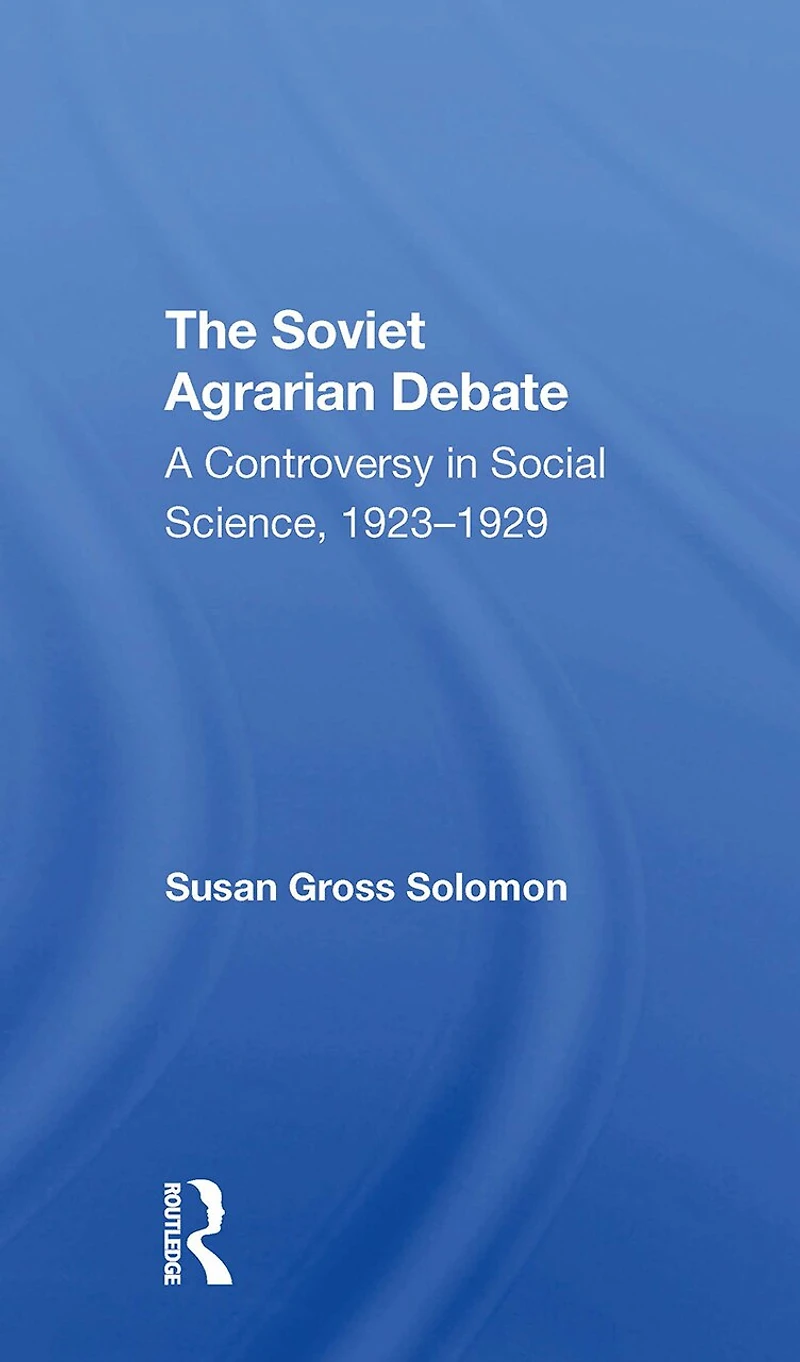
The first decade of Soviet cultural life was marked by a pluralism unmatched in the subsequent history of the USSR. In many fields of art and science, Party and non-Party "proletarian" and "bourgeois" intellectuals worked side by side, vigorously debating questions of substance and method. In this first major study of a Soviet field of social science in the post-Revolution period, Dr. Solomon examines the controversy that divided social scientists studying the economy and society of the Soviet peasant during the 1920s. The intellectual disagreements in post-Revolution Soviet rural studies were exacerbated by social, political, and professional differences among the contending scholars. The infighting between the groups was bitter. Yet in contrast to recent studies of other Soviet professions in the 1920s, the author finds that in rural studies Marxists and non-Marxists had much in common. Her findings suggest that the coexistence of the "old" and the "new" in Soviet rural studies might have lasted for some time had not external political forces intervened in late 1928, acting as a pressure on the field and eventually causing its demise.
The first decade of Soviet cultural life was marked by a pluralism unmatched in the subsequent history of the USSR. In many fields of art and science, Party and non-Party "proletarian" and "bourgeois" intellectuals worked side by side, vigorously debating questions of substance and method. In this first major study of a Soviet field of social science in the post-Revolution period, Dr. Solomon examines the controversy that divided social scientists studying the economy and society of the Soviet peasant during the 1920s. The intellectual disagreements in post-Revolution Soviet rural studies were exacerbated by social, political, and professional differences among the contending scholars. The infighting between the groups was bitter. Yet in contrast to recent studies of other Soviet professions in the 1920s, the author finds that in rural studies Marxists and non-Marxists had much in common. Her findings suggest that the coexistence of the "old" and the "new" in Soviet rural studies might have lasted for some time had not external political forces intervened in late 1928, acting as a pressure on the field and eventually causing its demise.
You May Also Like









More About Indigo at Erin Mills Town Centre
The largest book retailer in Canada also offers toys, music, home décor, gifts and lifestyle products. What's Inside...Books, Magazines, CD’s and DVD’s, Toys and Gifts, Home Accents, Electronics, Baby’s and Children’s Section, Bath and Body, Kitchen and Bedroom, Stationary Located outside in the exterior plaza.
5015 Glen Erin Dr, Mississauga, ON L5M 0R7, Canada
Find Indigo at Erin Mills Town Centre in Mississauga ON
Visit Indigo at Erin Mills Town Centre in Mississauga ON