

GIVE THE PERFECT GIFT
Erin Mills Town Centre Gift Cards are the perfect choice for your gift giving needs.Purchase gift cards at kiosks near the food court or centre court, at Guest Services, or click below to purchase online.PURCHASE HEREHome
the Status of Religion and Public Benefit Charity Law
Indigo
Loading Inventory...
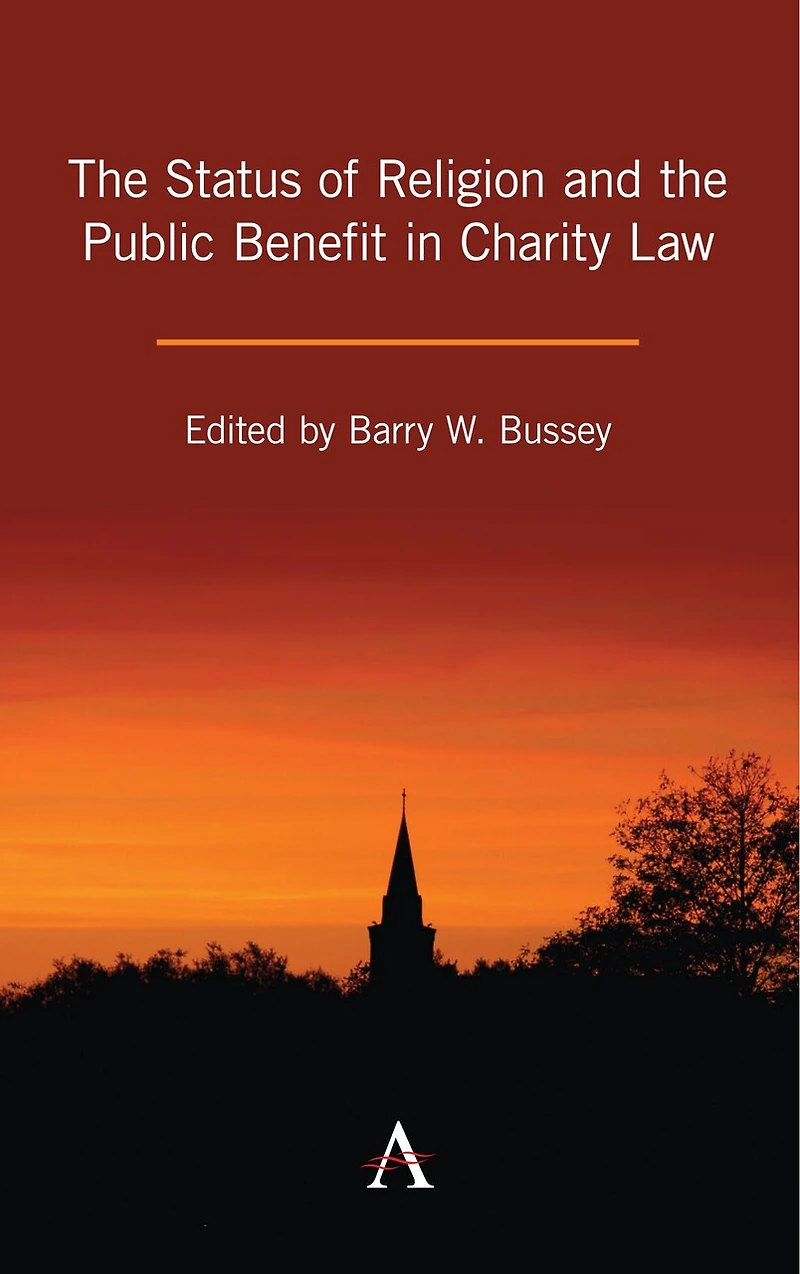
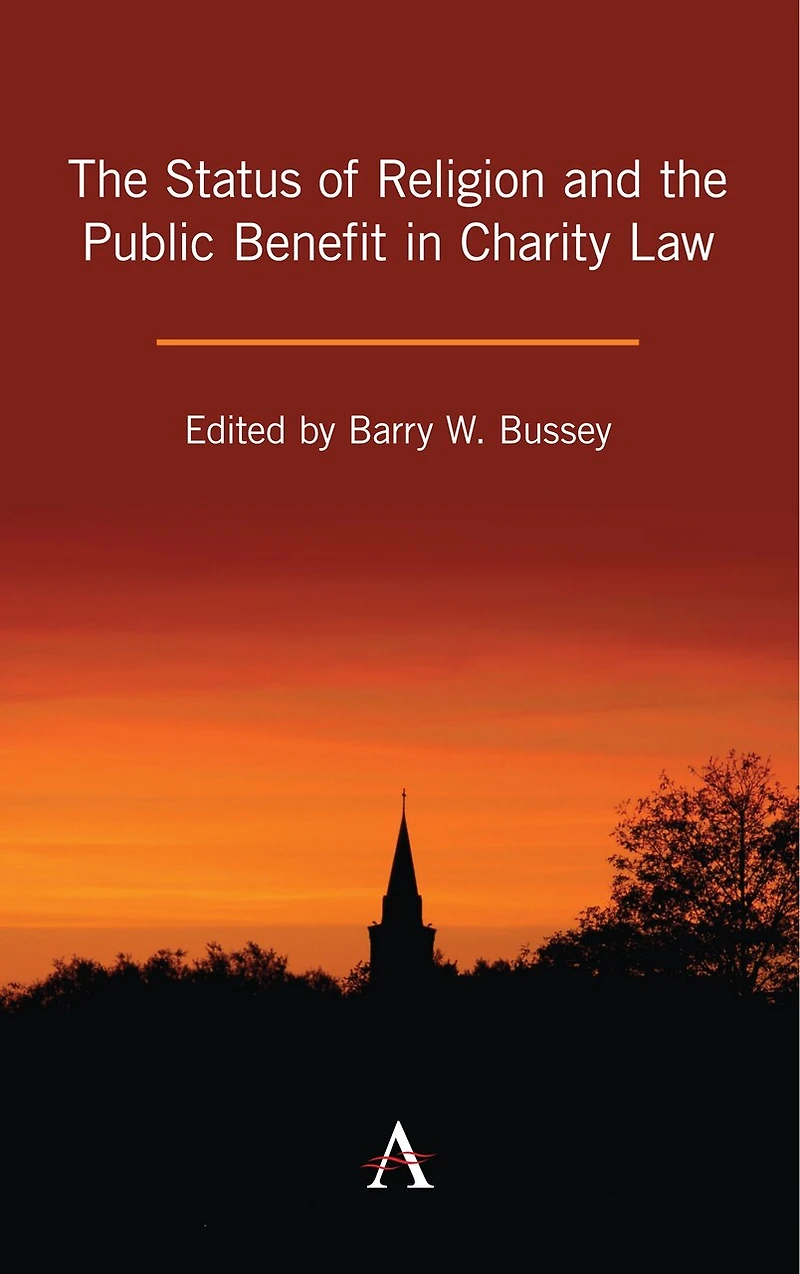
the Status of Religion and Public Benefit Charity Law
Current price: $162.99

the Status of Religion and Public Benefit Charity Law
Current price: $162.99
Loading Inventory...
Size: Hardcover
*Product information may vary - to confirm product availability, pricing, shipping and return information please contact Indigo
‘The Status of Religion and the Public Benefit in Charity Law’ is an apologetic for maintaining the presumption of public benefit for the charitable category ‘advancement of religion’ in democratic countries within the English common law tradition. In response to growing academic and political pressure to reform charity law – including recurring calls to remove tax exemptions granted to religious charities – the scholars in this volume analyse the implications of legislative and legal developments in Canada, the UK, Australia, New Zealand and South Africa. In the process, they also confront more fundamental, sociological or philosophical questions on the very nature and role of religion in a secular society that would deny any space for religious communities outside their houses of worship. In other words, this book is concerned with the place of religion – and religious institutions – in contemporary society. It represents a series of concerns about the proper role of the state in relation to the differing beliefs of citizens – some of which will quite rightly manifest in actions to benefit the wider society. This debate, then, naturally engages with broader issues related to secularism, civic engagement and liberal democratic freedoms. [NP] Historically, we have presumed that religion is beneficial. Any suggestion that would either remove the advancement of religion, or advocate the removal of other benefits granted to religious institutions (such as tax exempt status) is predicated on the contrary assumption that religion provides no benefit, or if it does, it only benefits congregants on a Sunday morning (or other holy day). Further, our cultural moment, with its attention to diversity and equality, has put the charitable status of religious communities in jeopardy unless they conform to the normative moral commitments of secular elites in academia, media and the legal profession. This exposes a deeply flawed notion of religion, as discussed in this book. Religion is both communal and holistic in scope; as the research canvassed in this volume reveals, spiritual faith and good works are so closely intertwined in the theology, practice and lives of most religious communities that recognizing religion as charitable speaks to the reality of religion’s ongoing, positive influence in society.
‘The Status of Religion and the Public Benefit in Charity Law’ is an apologetic for maintaining the presumption of public benefit for the charitable category ‘advancement of religion’ in democratic countries within the English common law tradition. In response to growing academic and political pressure to reform charity law – including recurring calls to remove tax exemptions granted to religious charities – the scholars in this volume analyse the implications of legislative and legal developments in Canada, the UK, Australia, New Zealand and South Africa. In the process, they also confront more fundamental, sociological or philosophical questions on the very nature and role of religion in a secular society that would deny any space for religious communities outside their houses of worship. In other words, this book is concerned with the place of religion – and religious institutions – in contemporary society. It represents a series of concerns about the proper role of the state in relation to the differing beliefs of citizens – some of which will quite rightly manifest in actions to benefit the wider society. This debate, then, naturally engages with broader issues related to secularism, civic engagement and liberal democratic freedoms. [NP] Historically, we have presumed that religion is beneficial. Any suggestion that would either remove the advancement of religion, or advocate the removal of other benefits granted to religious institutions (such as tax exempt status) is predicated on the contrary assumption that religion provides no benefit, or if it does, it only benefits congregants on a Sunday morning (or other holy day). Further, our cultural moment, with its attention to diversity and equality, has put the charitable status of religious communities in jeopardy unless they conform to the normative moral commitments of secular elites in academia, media and the legal profession. This exposes a deeply flawed notion of religion, as discussed in this book. Religion is both communal and holistic in scope; as the research canvassed in this volume reveals, spiritual faith and good works are so closely intertwined in the theology, practice and lives of most religious communities that recognizing religion as charitable speaks to the reality of religion’s ongoing, positive influence in society.
You May Also Like







More About Indigo at Erin Mills Town Centre
The largest book retailer in Canada also offers toys, music, home décor, gifts and lifestyle products. What's Inside...Books, Magazines, CD’s and DVD’s, Toys and Gifts, Home Accents, Electronics, Baby’s and Children’s Section, Bath and Body, Kitchen and Bedroom, Stationary Located outside in the exterior plaza.
5015 Glen Erin Dr, Mississauga, ON L5M 0R7, Canada
Find Indigo at Erin Mills Town Centre in Mississauga ON
Visit Indigo at Erin Mills Town Centre in Mississauga ON