

GIVE THE PERFECT GIFT
Erin Mills Town Centre Gift Cards are the perfect choice for your gift giving needs.Purchase gift cards at kiosks near the food court or centre court, at Guest Services, or click below to purchase online.PURCHASE HEREHome
The Stepmother and other stories: Short stories
Indigo
Loading Inventory...
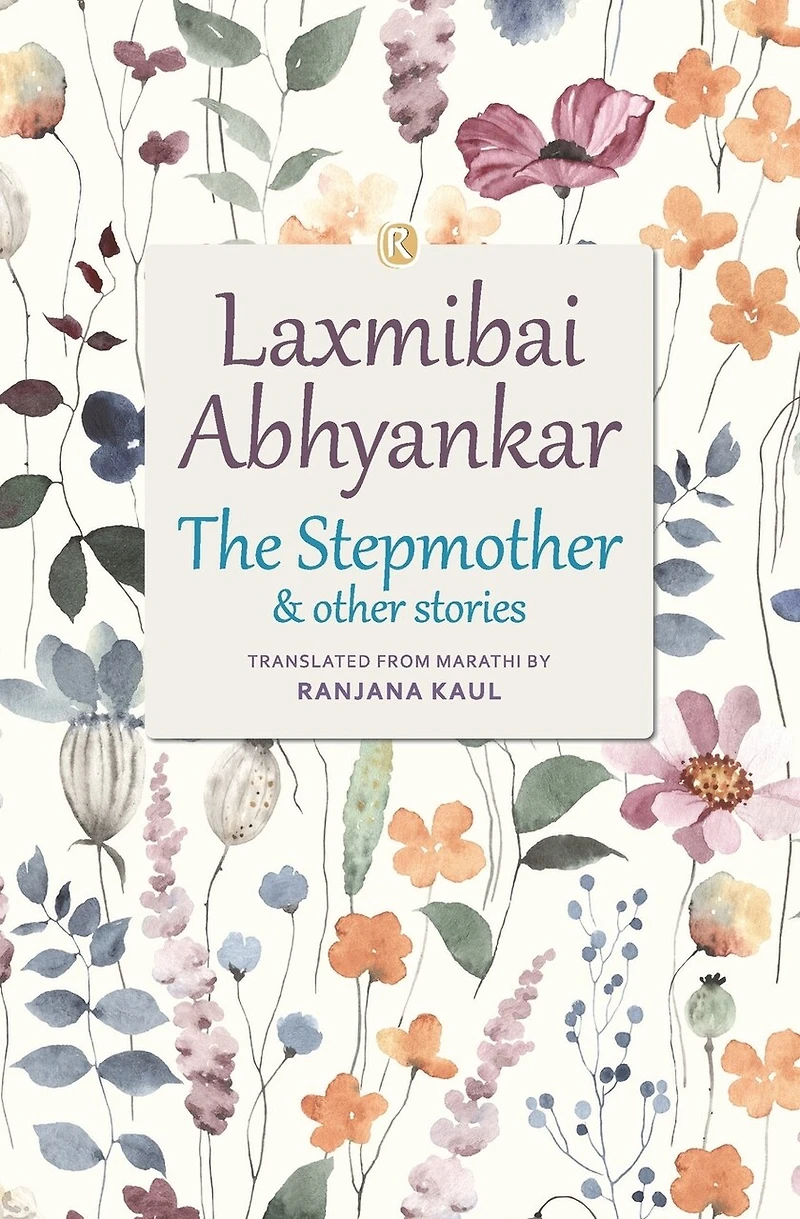
The Stepmother and other stories: Short stories
Current price: $18.50

The Stepmother and other stories: Short stories
Current price: $18.50
Loading Inventory...
Size: Paperback
*Product information may vary - to confirm product availability, pricing, shipping and return information please contact Indigo
Laxmibai Abhyankar's stories are full of hope for the future, also of regret and tragedy. The stories in this collection are set amidst the evolving political dynamics of the late nineteenth and early twentieth centuries, in the Bombay Presidency and the Deccan States. They inspire readers to adopt progressive thinking and support social transformation. In easy style, the stories tell us about the lives of ordinary men and women, living in conservative Maharashtrian homes, bound by the rigidity of orthodoxy and traditional mores.
The patriarchs, matriarchs, the educated women and men are Laxmibai's heroes. She urges them to lead by personal example by providing protection, dignity and education to women and children within their families and to the disadvantaged. Her authorial interventions bring the reader closer to the narrative. She lets her diverse cast of characters speak for themselves. The dialogues and debates, on political developments or on the merits and demerits of social reforms, bring alive the stories, letting readers hear both sides of the argument.
Laxmibai Abhyankar's stories are full of hope for the future, also of regret and tragedy. The stories in this collection are set amidst the evolving political dynamics of the late nineteenth and early twentieth centuries, in the Bombay Presidency and the Deccan States. They inspire readers to adopt progressive thinking and support social transformation. In easy style, the stories tell us about the lives of ordinary men and women, living in conservative Maharashtrian homes, bound by the rigidity of orthodoxy and traditional mores.
The patriarchs, matriarchs, the educated women and men are Laxmibai's heroes. She urges them to lead by personal example by providing protection, dignity and education to women and children within their families and to the disadvantaged. Her authorial interventions bring the reader closer to the narrative. She lets her diverse cast of characters speak for themselves. The dialogues and debates, on political developments or on the merits and demerits of social reforms, bring alive the stories, letting readers hear both sides of the argument.
You May Also Like
















More About Indigo at Erin Mills Town Centre
The largest book retailer in Canada also offers toys, music, home décor, gifts and lifestyle products. What's Inside...Books, Magazines, CD’s and DVD’s, Toys and Gifts, Home Accents, Electronics, Baby’s and Children’s Section, Bath and Body, Kitchen and Bedroom, Stationary Located outside in the exterior plaza.
5015 Glen Erin Dr, Mississauga, ON L5M 0R7, Canada
Find Indigo at Erin Mills Town Centre in Mississauga ON
Visit Indigo at Erin Mills Town Centre in Mississauga ON