

GIVE THE PERFECT GIFT
Erin Mills Town Centre Gift Cards are the perfect choice for your gift giving needs.Purchase gift cards at kiosks near the food court or centre court, at Guest Services, or click below to purchase online.PURCHASE HEREHome
The structure of modern cultural theory
Indigo
Loading Inventory...
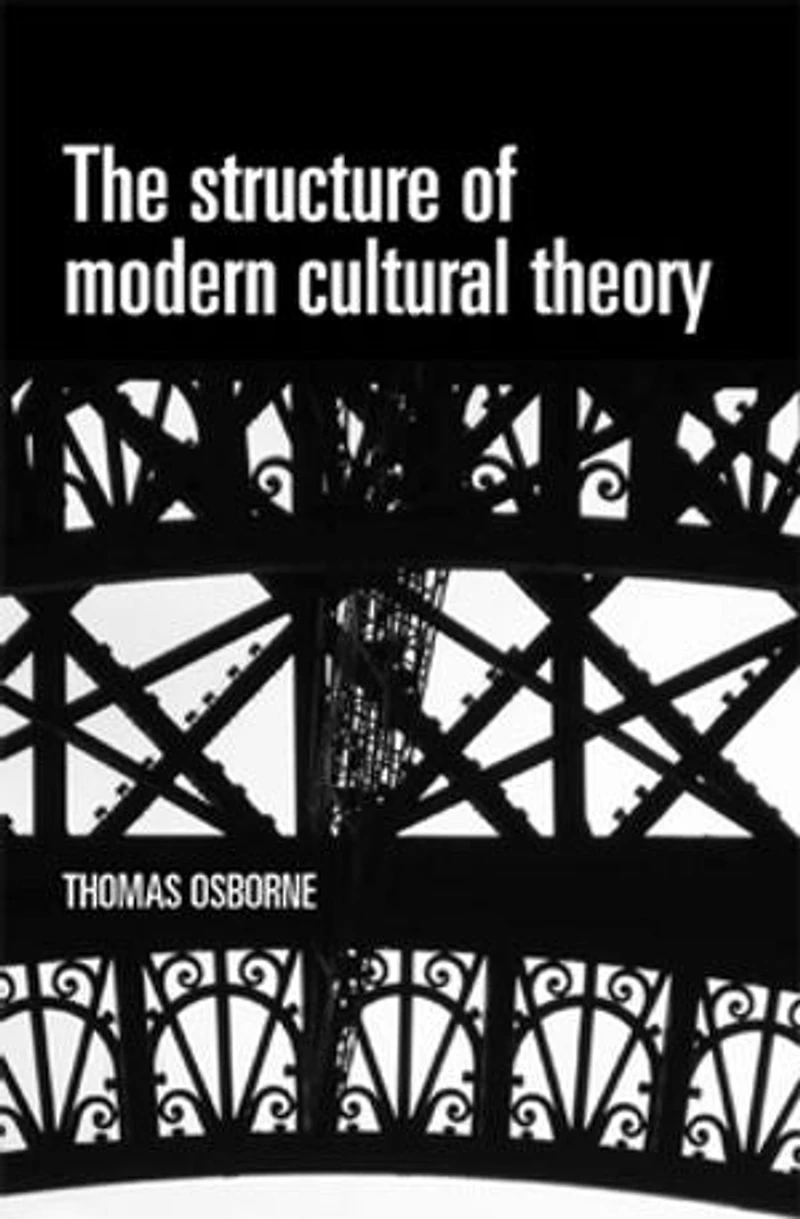
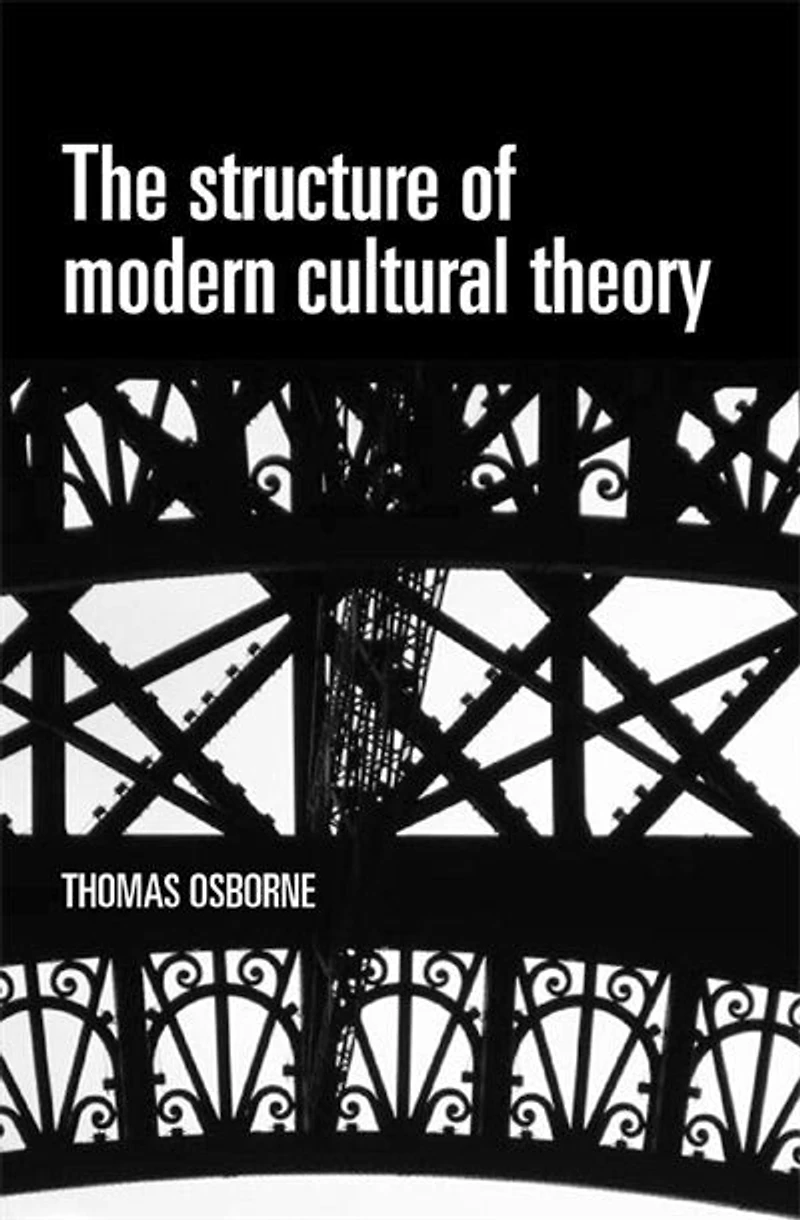
The structure of modern cultural theory
Current price: $26.09
Original price: $32.51

The structure of modern cultural theory
Current price: $26.09
Original price: $32.51
Loading Inventory...
Size: Kobo eBook
*Product information may vary - to confirm product availability, pricing, shipping and return information please contact Indigo
What is the point of cultural theory? Do we even know what it is? This book is at once an introduction to, and, broadly, a defence of modern cultural theory understood as a particular constellation of inquiry, one that may be all the more important in our postmodern times the more seemingly irrelevant it is to current fashions.
Focusing on the work of Theodor Adorno, Pierre Bourdieu and Michel Foucault the book argues that in spite of their differences these authors shared particularly 'modern' understandings of culture, creativity and human agency; understandings centred on the ideas of critical autonomy and creativity of thought. Even though all three were committed to scholarly empirical research, for them the function of cultural theory was not just to describe the world positivistically 'as it is' (or was) but to cultivate the conditions for ethical autonomy in their readerships by opening up ways for thinking differently and exposing the fetishisms and blockages that hinder that task.
What is the point of cultural theory? Do we even know what it is? This book is at once an introduction to, and, broadly, a defence of modern cultural theory understood as a particular constellation of inquiry, one that may be all the more important in our postmodern times the more seemingly irrelevant it is to current fashions.
Focusing on the work of Theodor Adorno, Pierre Bourdieu and Michel Foucault the book argues that in spite of their differences these authors shared particularly 'modern' understandings of culture, creativity and human agency; understandings centred on the ideas of critical autonomy and creativity of thought. Even though all three were committed to scholarly empirical research, for them the function of cultural theory was not just to describe the world positivistically 'as it is' (or was) but to cultivate the conditions for ethical autonomy in their readerships by opening up ways for thinking differently and exposing the fetishisms and blockages that hinder that task.
You May Also Like











More About Indigo at Erin Mills Town Centre
The largest book retailer in Canada also offers toys, music, home décor, gifts and lifestyle products. What's Inside...Books, Magazines, CD’s and DVD’s, Toys and Gifts, Home Accents, Electronics, Baby’s and Children’s Section, Bath and Body, Kitchen and Bedroom, Stationary Located outside in the exterior plaza.
5015 Glen Erin Dr, Mississauga, ON L5M 0R7, Canada
Find Indigo at Erin Mills Town Centre in Mississauga ON
Visit Indigo at Erin Mills Town Centre in Mississauga ON