

GIVE THE PERFECT GIFT
Erin Mills Town Centre Gift Cards are the perfect choice for your gift giving needs.Purchase gift cards at kiosks near the food court or centre court, at Guest Services, or click below to purchase online.PURCHASE HEREHome
The Structure of Second Corinthians: Paul's Theology of Ministry
Indigo
Loading Inventory...
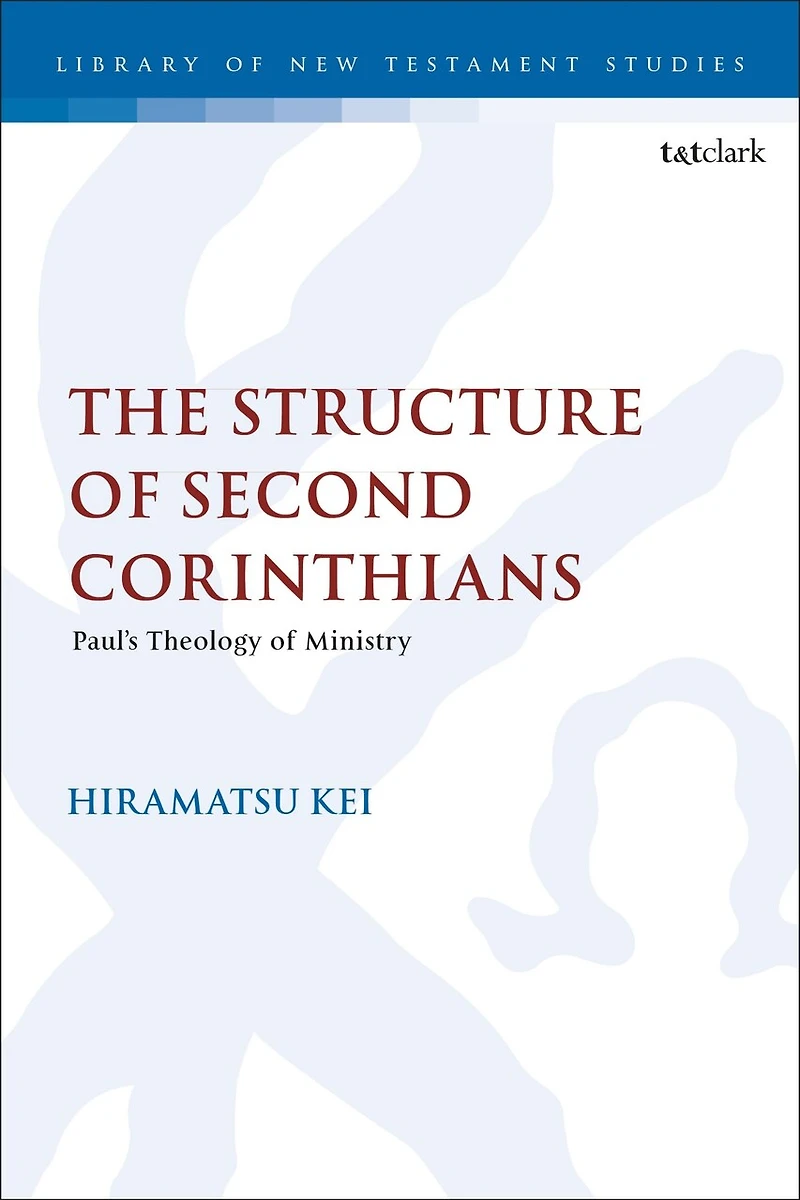
The Structure of Second Corinthians: Paul's Theology of Ministry
Current price: $175.50

The Structure of Second Corinthians: Paul's Theology of Ministry
Current price: $175.50
Loading Inventory...
Size: Hardcover
*Product information may vary - to confirm product availability, pricing, shipping and return information please contact Indigo
Hiramatsu Kei examines the literary structure of 2 Corinthians and how it can illuminate understanding of this Pauline letter and its theological message. He explores the theoretical foundations of Inductive Bible Study as an approach, which focuses on the meaning of biblical texts in their final form by incorporating insights from multifarious methodologies. Based on the final form of the letter and its compositional unity, he prioritizes the literary context as consequential evidence for interpretation. Hiramatsu argues that there are two major components of the literary structure: the division of the letter and the identification of major structural relationships within and between the divided parts. Thus, he proposes that 2 Corinthians consists of seven major segments which coherently develop Paul's discourse pertaining to ministry, and discusses the implications regarding his theology of theocentric ministry and that of weakness that arise from a literary investigation. Hiramatsu demonstrates that an inductive and integrative approach not only presents a more suitable and helpful literary structure for 2 Corinthians, but also illustrates the relevance of such study when seeking to gain understanding of the theological implications of the letter.
Hiramatsu Kei examines the literary structure of 2 Corinthians and how it can illuminate understanding of this Pauline letter and its theological message. He explores the theoretical foundations of Inductive Bible Study as an approach, which focuses on the meaning of biblical texts in their final form by incorporating insights from multifarious methodologies. Based on the final form of the letter and its compositional unity, he prioritizes the literary context as consequential evidence for interpretation. Hiramatsu argues that there are two major components of the literary structure: the division of the letter and the identification of major structural relationships within and between the divided parts. Thus, he proposes that 2 Corinthians consists of seven major segments which coherently develop Paul's discourse pertaining to ministry, and discusses the implications regarding his theology of theocentric ministry and that of weakness that arise from a literary investigation. Hiramatsu demonstrates that an inductive and integrative approach not only presents a more suitable and helpful literary structure for 2 Corinthians, but also illustrates the relevance of such study when seeking to gain understanding of the theological implications of the letter.
You May Also Like









More About Indigo at Erin Mills Town Centre
The largest book retailer in Canada also offers toys, music, home décor, gifts and lifestyle products. What's Inside...Books, Magazines, CD’s and DVD’s, Toys and Gifts, Home Accents, Electronics, Baby’s and Children’s Section, Bath and Body, Kitchen and Bedroom, Stationary Located outside in the exterior plaza.
5015 Glen Erin Dr, Mississauga, ON L5M 0R7, Canada
Find Indigo at Erin Mills Town Centre in Mississauga ON
Visit Indigo at Erin Mills Town Centre in Mississauga ON